China producer prices jump as consumer inflation stays soft
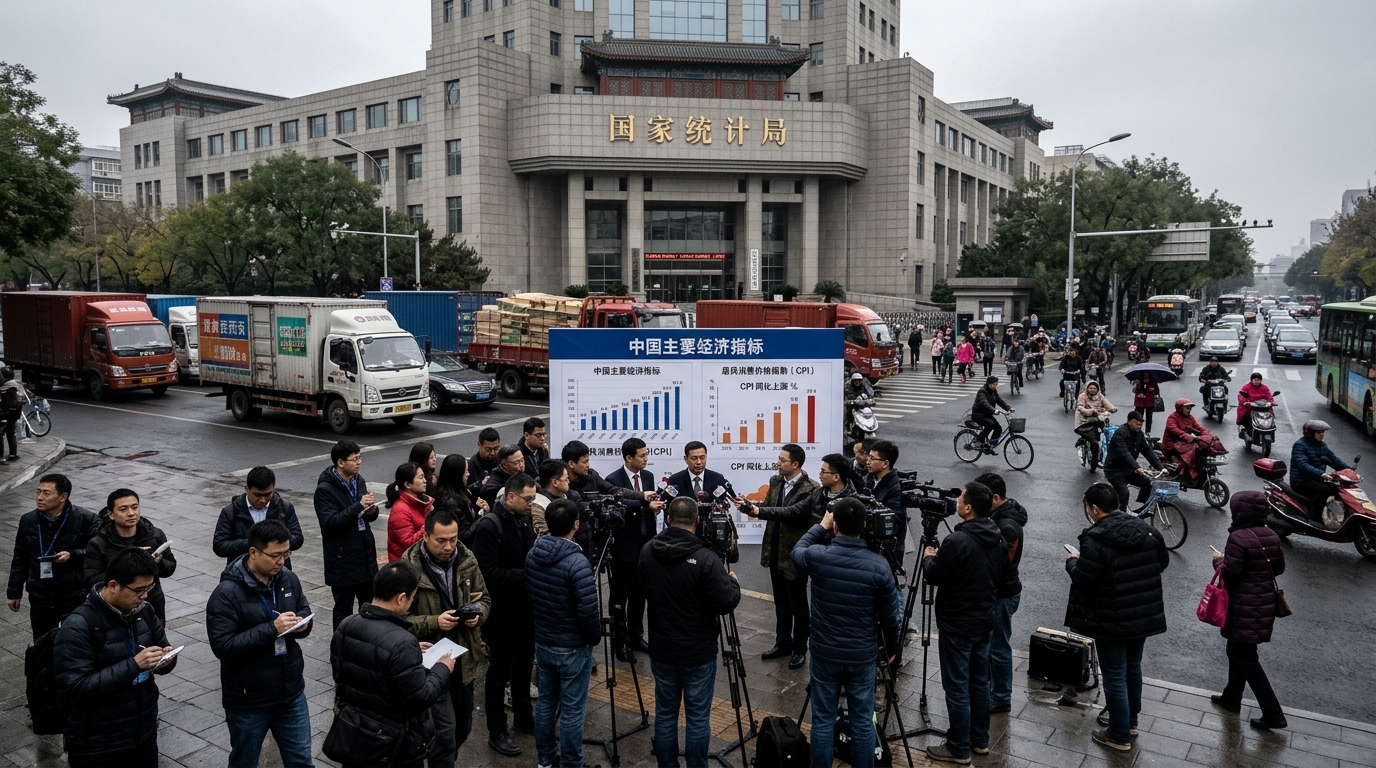
China’s latest inflation readings delivered a split message to global markets: stronger price pressure at the factory gate, but still-muted inflation at the consumer level. That combination is important not only for China’s domestic outlook, but also for foreign-exchange markets, commodity demand assumptions and broader expectations for world growth.
According to CNBC, China’s wholesale inflation rose to its highest level in more than four years even as the consumer measure slowed. Investing.com separately reported that China’s factory-gate inflation gained momentum in October while consumer price pressures remained muted, and also said CPI inflation missed forecasts while factory-gate prices accelerated. Taken together, the reports point to a more inflationary industrial pipeline without a corresponding surge in household demand.
Why the inflation split matters
The distinction between producer and consumer inflation is central here. Producer price inflation, often tracked through factory-gate measures, reflects pricing conditions earlier in the supply chain. Consumer inflation reflects what households are paying more directly. When producer prices accelerate but consumer inflation stays soft, it can signal that businesses are facing higher costs but may not yet have enough pricing power to pass them on fully.
That can matter for margins, trade flows and policy expectations. If Chinese manufacturers absorb more of those cost increases, profits may come under pressure in some sectors. If they successfully pass prices outward, global import prices and supply chains could feel the impact later.
For global markets, China’s inflation mix can also shape views on demand. Stronger upstream prices may indicate better industrial activity or firmer input costs. But weaker consumer inflation suggests the domestic recovery is still uneven, especially if household confidence and discretionary spending remain restrained.
Forex angle: what this could mean for the yuan
For currency markets, mixed inflation data tends to complicate the picture rather than settle it. On one side, stronger producer-price inflation can be interpreted as a sign of industrial resilience, which may help sentiment around the Chinese economy. On the other, soft consumer inflation can reinforce expectations that authorities may still need to support growth, a factor that can weigh on the currency if investors assume looser policy settings are more likely.
Today’s broader currency backdrop also matters. Investing.com reported that the U.S. dollar held onto recent gains and remained firm on Federal Reserve expectations. In that environment, many non-dollar currencies face a high bar to outperform, particularly when domestic data sends a mixed message.
The yuan therefore sits at the intersection of two competing forces: evidence that producer-side conditions are strengthening, and evidence that final demand is not yet fully convincing. That makes it harder for markets to build a simple directional narrative.
Why global investors care beyond China
China’s inflation data matters internationally because it feeds into several major market debates at once.
- Commodities: firmer factory-gate prices may suggest ongoing demand for industrial inputs or higher cost pressure in production chains.
- Trade: if Chinese exporters face higher costs, pricing behavior abroad could eventually shift.
- Central banks: global disinflation narratives become more complicated if upstream price pressure returns in a major manufacturing economy.
- Equities: sectors tied to industrial activity may read the data more positively than consumer-facing businesses.
That said, the consumer side of the report remains a caution flag. A convincing global growth impulse typically looks stronger when household demand improves alongside factory activity. Today’s data, based on the CNBC and Investing.com reports, does not clearly show that yet.
What markets may watch next
Investors will likely look for confirmation in upcoming Chinese activity data, trade figures and any policy commentary that follows. If producer inflation remains elevated while consumer inflation stays soft, markets may become more focused on margin pressure and the quality of growth rather than on headline inflation alone.
Foreign-exchange traders, in particular, may watch whether China’s mixed inflation signal changes expectations for domestic policy support relative to a still-firm U.S. dollar backdrop. If dollar strength persists, the bar for any sustained yuan recovery could remain high.
Key takeaway
The new China inflation data does not point to a simple reflation story. According to CNBC and Investing.com, factory-gate prices are accelerating, but consumer inflation remains subdued and even missed forecasts. That leaves markets weighing industrial momentum against still-soft household demand.
Neutral outlook: For now, the data is best read as a mixed but market-relevant signal. It supports closer monitoring of the yuan, commodity demand and global inflation transmission, but it does not yet resolve the bigger question of how durable China’s demand recovery really is.
MarketPro reports are AI-assisted analyses of publicly reported market news. Not investment advice.