Crypto Crime and Policy Risks Compete for Market Attention
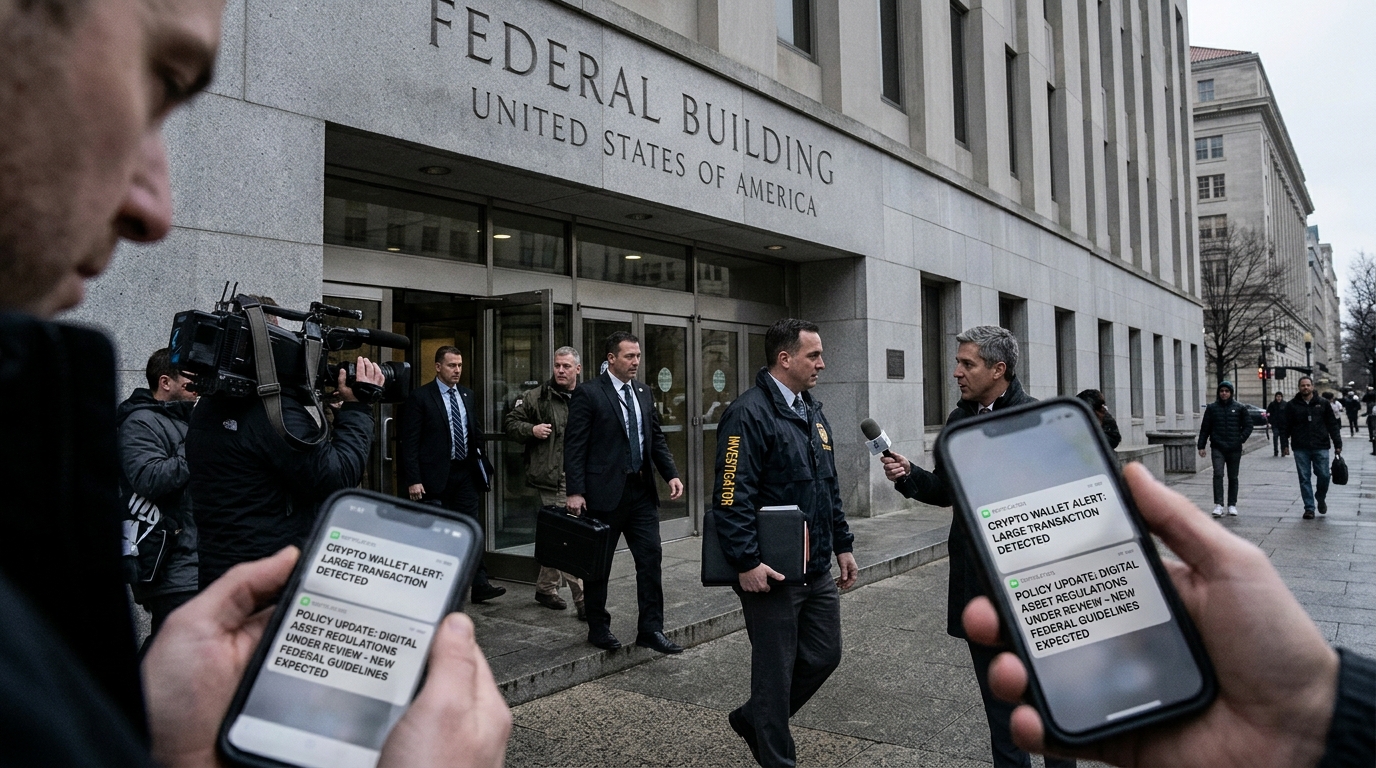
Crypto markets on November 8 were shaped less by token-price action and more by trust, enforcement, and policy headlines. The day’s wire flow pointed to a sector still wrestling with old vulnerabilities even as it seeks broader acceptance through retirement products and mainstream financial channels.
Security and criminal misuse remain central risks
Cointelegraph reported that an ex-FBI counterintelligence agent stole almost $2.5 million in crypto. Even without additional case details in the headline set, the story is significant because it reinforces a persistent market concern: crypto’s institutional progress continues to compete with recurring headlines about theft, misuse, and internal-control failures.
In traditional finance, trust is reinforced by long-established compliance structures and legal recourse. In crypto, every criminal case tends to have an outsized reputational effect because the industry is still trying to prove that it can scale without normalizing operational fragility. A headline involving a former federal agent is particularly striking because it links digital-asset crime to someone once associated with national-security and law-enforcement credibility.
Election-related scrutiny adds another layer
Cointelegraph also reported that suspicious prediction-market activity was seen before an election poll release, citing The New York Times. That story matters because prediction markets often intersect with crypto infrastructure, even when the ultimate issue is market integrity rather than blockchain technology itself.
If election-linked markets attract closer scrutiny, the implications could extend beyond a single platform. Regulators and lawmakers may become more interested in how event contracts are structured, who has access to early information, and what disclosure or surveillance frameworks apply. For crypto-adjacent platforms, that could mean a tougher policy backdrop even in areas not directly tied to token issuance.
Mainstream adoption still faces policy hurdles
At the same time, the sector is not short of longer-term growth ambitions. Cointelegraph reported that a U.S. 401(k) proposal leaves the door open to altcoins, but hurdles remain. The headline suggests that policymakers are at least considering a broader role for digital assets in retirement investing, though the barriers remain substantial.
That tension captures the current state of the market. On one hand, advocates want deeper integration into mainstream savings products. On the other, every new enforcement, security, or market-integrity headline gives critics more reason to argue for caution. Retirement accounts, in particular, are likely to be judged against a much higher standard because they involve long-term household savings and fiduciary responsibility.
Why the market narrative matters
Even when price is not the lead story, narrative matters in crypto because it can influence liquidity, institutional participation, and the pace of regulatory engagement. A sector dominated by breakthrough-adoption headlines tends to attract different capital than one dominated by thefts, hacks, and governance concerns.
Today’s wire set fits the second pattern more than the first. The emphasis is on whether the ecosystem can establish reliable guardrails, not on whether a rally is broadening. That is consistent with broader reader interest in enforcement and market-structure stories rather than token-by-token price moves.
A sector pulled in two directions
The day’s headlines show crypto being pulled in opposite directions. Policy discussions around 401(k) access imply continued efforts to normalize digital assets within regulated finance. But the theft case and election-market concerns point the other way, reminding participants that credibility can be undermined quickly.
According to Cointelegraph and, in the prediction-market case, The New York Times as cited by Cointelegraph, the immediate market backdrop is therefore one of scrutiny rather than celebration.
Neutral outlook: Crypto’s next phase still appears likely to depend less on short-term price swings and more on whether the industry can improve trust, compliance, and market integrity under closer oversight.
MarketPro reports are AI-assisted analyses of publicly reported market news. Not investment advice.