Crypto watch: Sanctions, Aave freeze and Binance turmoil
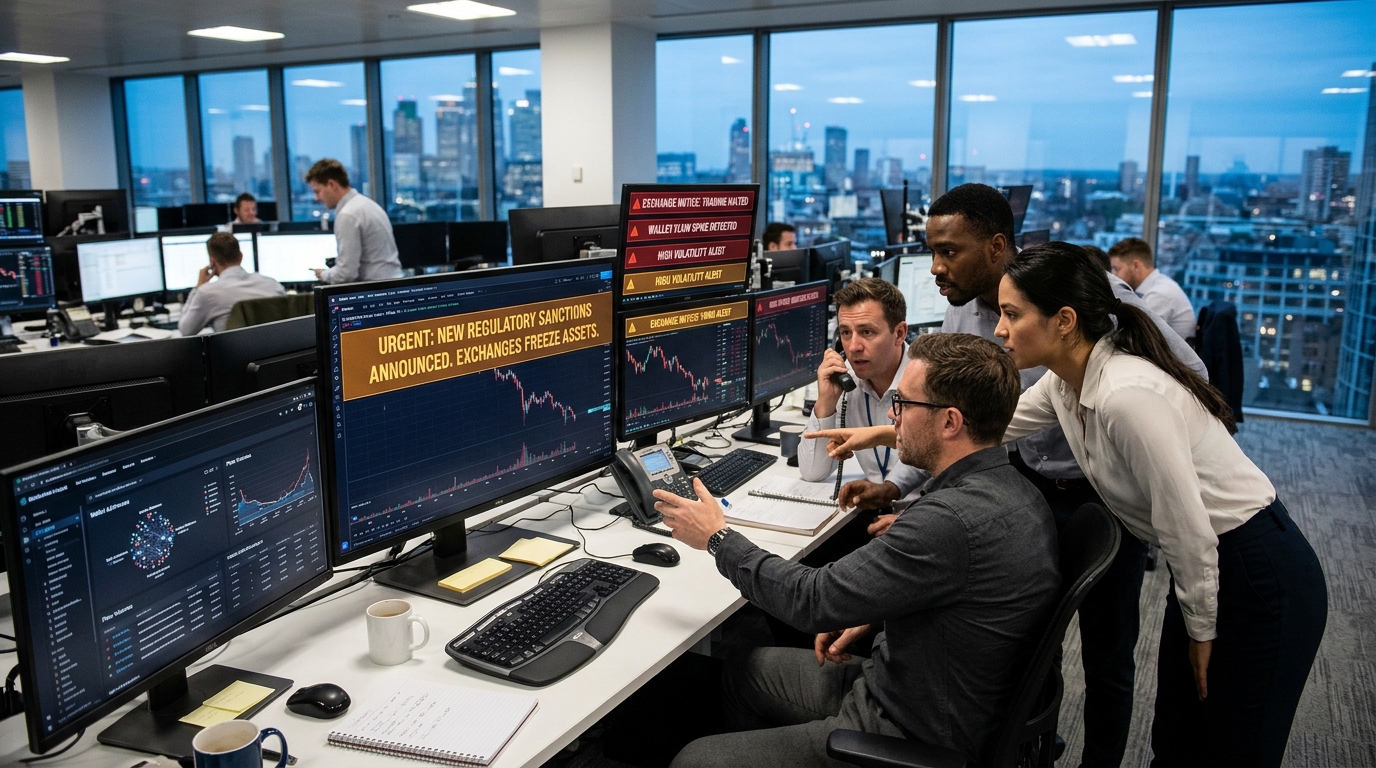
Crypto markets faced another policy-and-plumbing stress test, with new sanctions headlines, a partially resumed bridge tied to a still-frozen Aave reserve, and fresh questions around Binance operations and leadership.
According to Cointelegraph, the tBTC bridge has partially resumed, but a $120 million Aave reserve remains frozen. In a separate report, Cointelegraph said Binance France users were emailed that their accounts will be closed on Dec. 31. Cointelegraph also reported that Binance finance chief Kaiser Ng is set to leave the company. Adding to the regulatory backdrop, Cointelegraph said the United States sanctioned Canadian money-exchange firms over Iran ties.
Taken together, these stories point to a crypto market still being driven as much by operational resilience and compliance risk as by price action alone.
Why the Aave and tBTC headline matters
When infrastructure problems affect bridges, reserves or lending pools, the impact can extend beyond the immediate protocol. According to Cointelegraph, the tBTC bridge has partially resumed, but the associated $120 million Aave reserve remains frozen. That distinction is important because it suggests that technical recovery in one layer does not automatically restore full normal function across connected parts of decentralized finance.
For market participants, this kind of headline tends to raise questions about:
- Counterparty and smart-contract exposure across linked protocols
- Liquidity fragmentation when assets are operationally constrained
- Confidence effects that can suppress activity even after partial restoration
Even if the issue remains contained, traders often treat reserve freezes and bridge interruptions as reminders that DeFi markets can still face abrupt functionality shocks.
Sanctions pressure adds another layer of caution
Policy risk also returned to the foreground. Cointelegraph reported that the U.S. sanctioned Canadian money-exchange firms over Iran ties. While the headline is not about a major token or exchange directly, sanctions actions often matter to crypto because they can shape compliance behavior across trading venues, payment rails and counterparties.
When sanctions enforcement broadens, firms that touch digital assets may respond with tighter controls, more cautious onboarding or additional transaction scrutiny. That can affect market access and sentiment even outside the specific entities named in the action.
The significance here is less about a single day’s price move and more about the operating climate. Crypto markets generally respond poorly when legal or compliance uncertainty rises faster than liquidity can adapt.
Binance remains a focal point for access risk
Binance-related headlines also stayed in view. Cointelegraph reported that Binance France users received emails announcing account closures effective Dec. 31. Separately, the outlet said finance chief Kaiser Ng is leaving the company.
Either headline on its own would draw attention. Together, they reinforce a familiar market concern: the difference between crypto demand and crypto access. A market can have active trading interest, but that does not remove the importance of local platform availability, compliance processes and management stability.
For users and investors, exchange-specific developments can matter because they influence:
- Jurisdictional access to trading and custody services
- Operational continuity during transitions or closures
- Perceived institutional stability when executive turnover occurs
That does not automatically imply wider systemic stress, but it does support a more cautious reading of the sector backdrop.
A market still shaped by structure, not just sentiment
Crypto often trades on macro narratives such as rates, liquidity and risk appetite. But today’s wires highlighted a different reality: sector structure can be just as influential. Protocol interruptions, sanctions enforcement and exchange changes all shape how easily capital can move through the ecosystem.
This helps explain why crypto sentiment can remain fragile even when broader markets are steadier. Operational and regulatory headlines tend to hit trust, and trust is a core market input in digital assets.
What stood out in today’s crypto headlines
- DeFi stress remained visible through the tBTC and Aave situation, according to Cointelegraph
- U.S. sanctions enforcement kept compliance risk in focus, according to Cointelegraph
- Binance access and leadership questions added to exchange-specific uncertainty, according to Cointelegraph
Neutral outlook: The immediate market picture remains cautious. If operational constraints ease and policy pressure does not widen, sentiment may stabilize; if infrastructure and compliance concerns deepen, crypto could remain more sensitive than other risk assets to negative headlines.
MarketPro reports are AI-assisted analyses of publicly reported market news. Not investment advice.