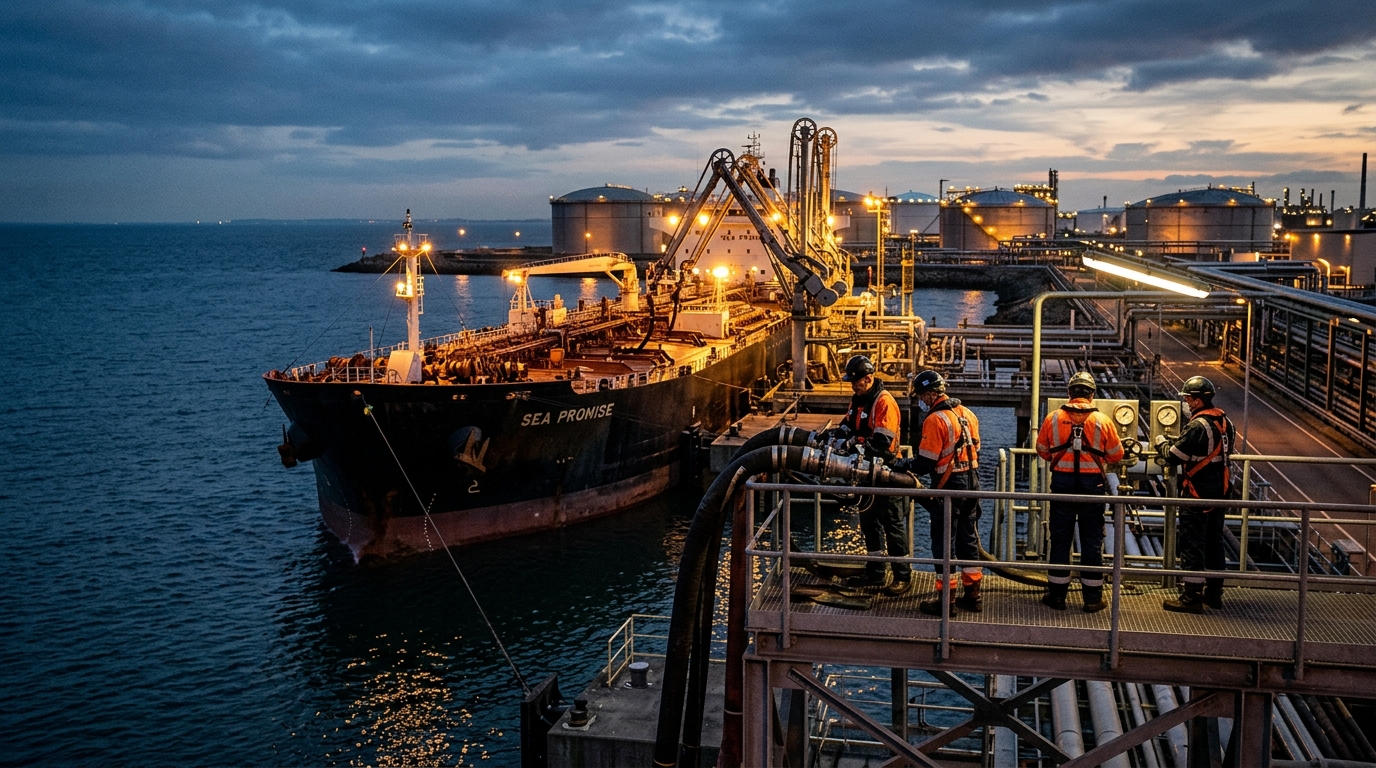
Diesel and fuel strain deepen pressure on companies
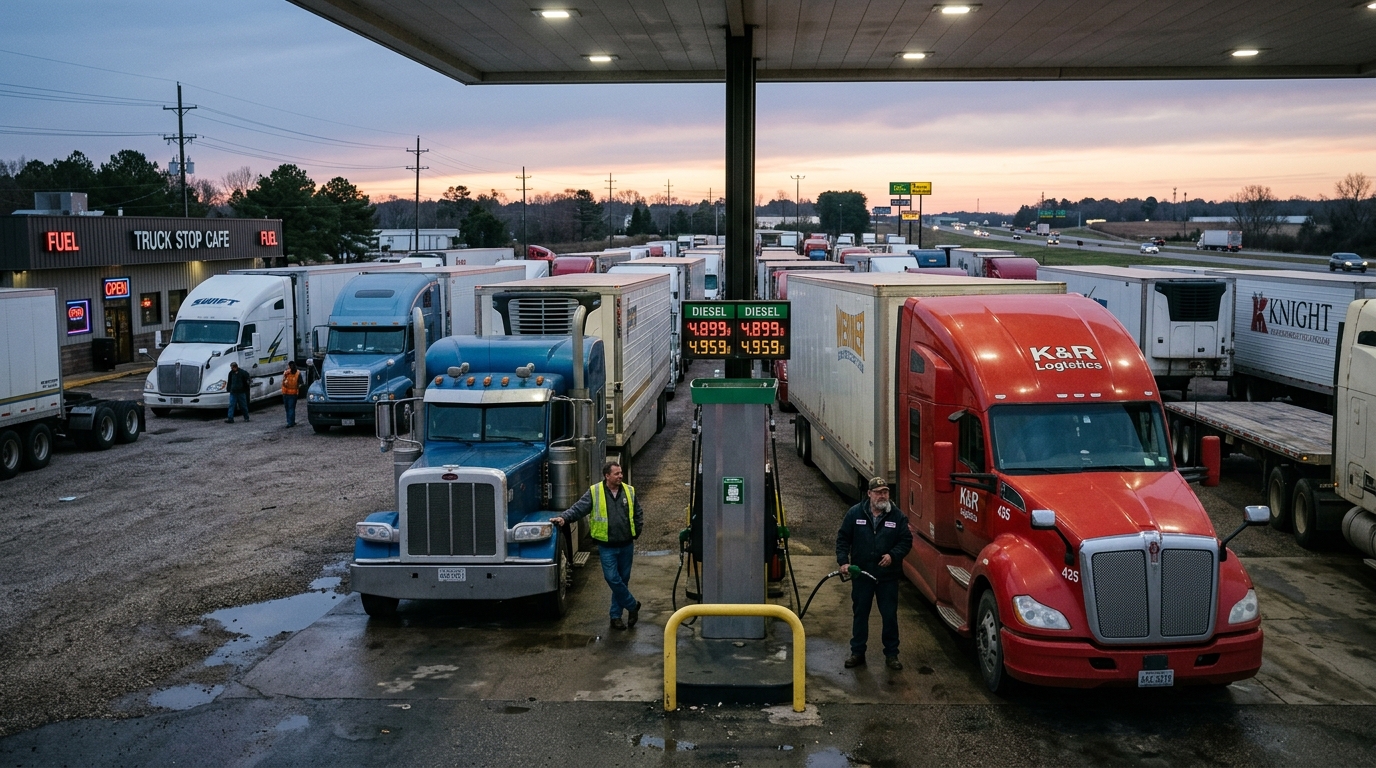
Rising fuel costs are back in focus for markets after separate reports from CNBC and MarketWatch highlighted the strain that expensive diesel and broader operating costs are putting on businesses and the economy. The headlines do not point to a single sudden shock. Instead, they suggest a more difficult problem for investors: persistent cost pressure that can squeeze margins, freight activity and confidence at the same time.
According to CNBC, American companies are being squeezed by tariffs, soaring fuel costs and higher interest rates. MarketWatch separately reported that record diesel prices are exposing pain points in both the stock market and the economy. Taken together, the reports strengthen the case that energy-linked transport costs are once again becoming an important cross-asset signal rather than just an industry issue.
Why diesel matters beyond the pump
Diesel has outsized economic importance because it is tied closely to freight movement, industrial logistics, farming and construction. When diesel prices rise sharply, the effects can spread far beyond the energy sector.
- Transport operators can face immediate pressure on operating costs.
- Manufacturers and retailers may see higher shipping expenses.
- Farm and industrial users can absorb steeper input bills.
- Consumers may ultimately feel the effect if businesses pass through some of those costs.
That helps explain why diesel often becomes a sensitive market indicator during periods of broader inflation concern. It can signal stress in the physical economy even when headline growth data remain relatively stable.
Corporate pressure is becoming more visible
The CNBC report frames fuel as part of a larger cost squeeze that also includes tariffs and borrowing costs. That combination matters. Higher interest rates make it harder for companies to finance inventory, equipment and expansion. Tariffs can raise import costs or complicate supply chains. Add fuel inflation on top, and businesses with thin margins may have less room to absorb shocks.
This is especially relevant for sectors such as transport, airlines, logistics, manufacturing and consumer goods distribution. Even companies outside those industries can be affected indirectly if suppliers and shipping networks become more expensive.
Investors often look for margin resilience during periods like this. But when several cost channels rise at once, the market may become more selective about which companies are seen as able to protect profitability.
What this means for inflation and markets
MarketWatch’s focus on record diesel prices also matters for macro expectations. Energy costs can feed into inflation psychology even if central banks focus more heavily on broader core measures. If businesses continue to report transport and fuel stress, markets may become more cautious about how quickly price pressures can fade.
That matters across multiple asset classes:
- Equities: fuel-sensitive sectors may face earnings pressure.
- Bonds: persistent cost inflation can complicate rate expectations.
- Commodities: traders may pay closer attention to refined-product tightness and supply disruption risks.
- Currencies: fuel-importing economies can become more sensitive to terms-of-trade pressure.
Investing.com separately reported that investors are focused on the rate path after a Fed hike. That wider policy backdrop makes fuel-cost pressure even more relevant, because any renewed inflation concern can interact with already restrictive financing conditions.
Not just an energy story
One reason this theme deserves attention is that it reaches across both the real economy and financial markets. A rise in diesel prices is not merely a commodity headline. It can influence delivery costs, pricing decisions, business sentiment and market views on inflation persistence.
The current reporting does not establish how long the pressure will last, nor does it prove that fuel alone will drive the next move in markets. But according to CNBC and MarketWatch reports, diesel and related transport costs are clearly becoming a more visible stress point again.
For investors, that means watching not only oil benchmarks but also downstream indicators of economic friction: freight conditions, company commentary on input costs, and whether fuel pressure starts showing up more broadly in pricing and earnings trends.
Neutral outlook: If fuel costs remain elevated, markets may keep testing which sectors can absorb logistics inflation and which remain exposed to a longer cost squeeze.
MarketPro reports are AI-assisted analyses of publicly reported market news. Not investment advice.