Global Markets Daily Brief — November 07, 2026

Global markets entered November 7 with investors balancing a mix of technology-sector stress, crypto weakness, credit concerns and fresh political headlines. Based on reports from CNBC, MarketWatch and Cointelegraph, the dominant theme remains whether the recent AI-driven investment boom can keep supporting equities and related infrastructure spending after a sharp bout of volatility.
In stocks, the most visible pressure point remained the AI trade. CNBC reported that Microsoft plans to use fewer neocloud providers as its AI buildout shows signs of strain, a fresh sign that parts of the supply chain may be entering a more selective phase. Separate CNBC reports said executives from OpenAI, Arm and Qualcomm were responding to a post-midterm AI sell-off, while MarketWatch said Nvidia, AMD and other chip stocks were rebounding after what it described as a violent downturn. Taken together, those reports suggest investors are trying to distinguish between a broad unwind in AI-linked names and a more temporary repricing after an exceptionally strong run.
In credit markets, financing costs and leverage in digital infrastructure also stayed in focus. MarketWatch reported that data centers run on debt and that this became a problem for bonds this year. That matters beyond fixed income because debt-funded expansion has been a major pillar of the broader AI and cloud buildout. If bond investors demand higher compensation for risk, that could affect the pace of new projects and reshape valuations across parts of the tech ecosystem.
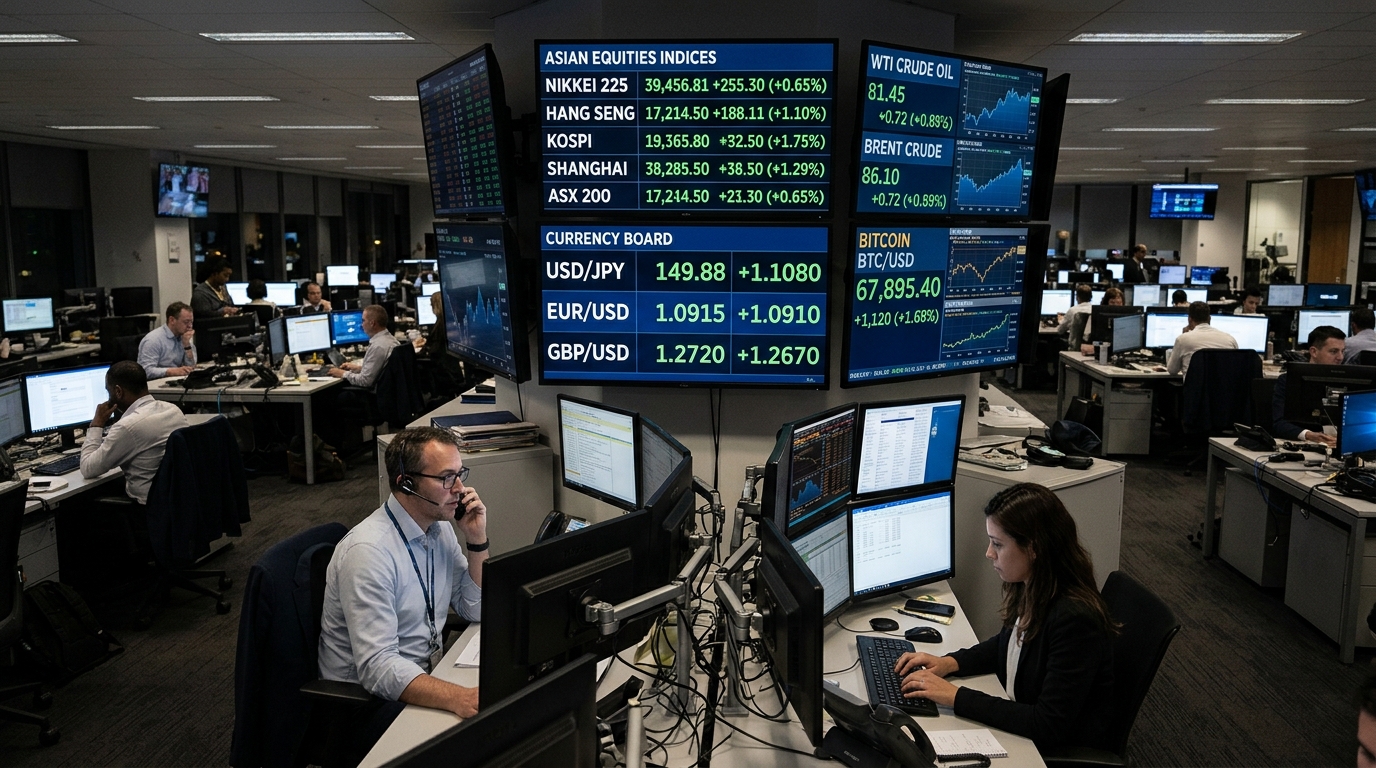
Crypto markets were weaker, according to Cointelegraph, which reported that Bitcoin dipped below $75,000 as digital assets failed to follow a rebound in tech stocks. That divergence stood out because crypto often trades as a high-beta expression of risk appetite. Cointelegraph also highlighted a major cybersecurity theme, with fallout continuing from a Binance hack and a separate report that a Gnosis Pay breach exposed card details, personal data and wallet information. The combination of softer prices and renewed security concerns kept pressure on sentiment in the sector.
Politics also added another layer of uncertainty. CNBC reported that President Donald Trump said Stephen Miller would replace Susie Wiles as White House chief of staff. While that is primarily a political development, investors often track high-level personnel shifts for possible implications for regulation, trade and the policy backdrop affecting risk assets.
One notable cross-asset thread was that enthusiasm for AI investment has not disappeared, even as markets have become more selective. CNBC separately reported that OpenAI will keep investing in AI data centers despite the election result, while another CNBC report said Kevin Hassett argued a political shift would not stop the AI buildout. Those stories indicate that, despite volatility, major participants still see long-term strategic value in capacity expansion.
Key themes moving markets
- AI spending: Investors are reassessing whether infrastructure demand can keep matching elevated expectations.
- Chip volatility: A rebound in semiconductor shares has not yet erased concerns after the recent sell-off, according to MarketWatch.
- Crypto divergence: Bitcoin weakened even as some tech shares recovered, according to Cointelegraph.
- Debt pressure: Bond-market strain around data-center financing is emerging as a wider market issue, according to MarketWatch.
The bigger picture is that markets are no longer moving on one simple narrative. Instead, investors are weighing a still-powerful AI investment cycle against tighter financial conditions, cybersecurity shocks and political uncertainty. Neutral outlook: the next phase likely depends on whether credit markets stabilize and whether risk assets can hold up without relying on uninterrupted AI optimism.
MarketPro reports are AI-assisted analyses of publicly reported market news. Not investment advice.