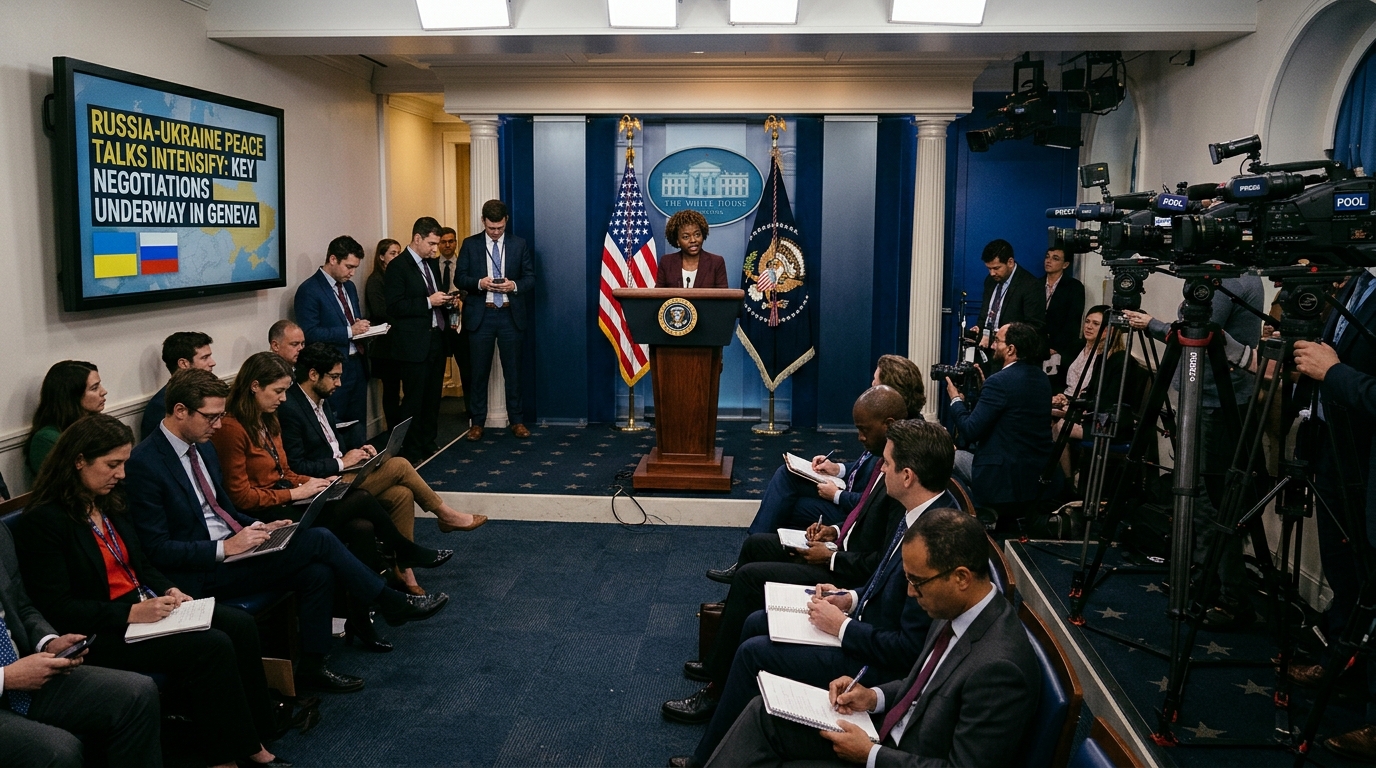
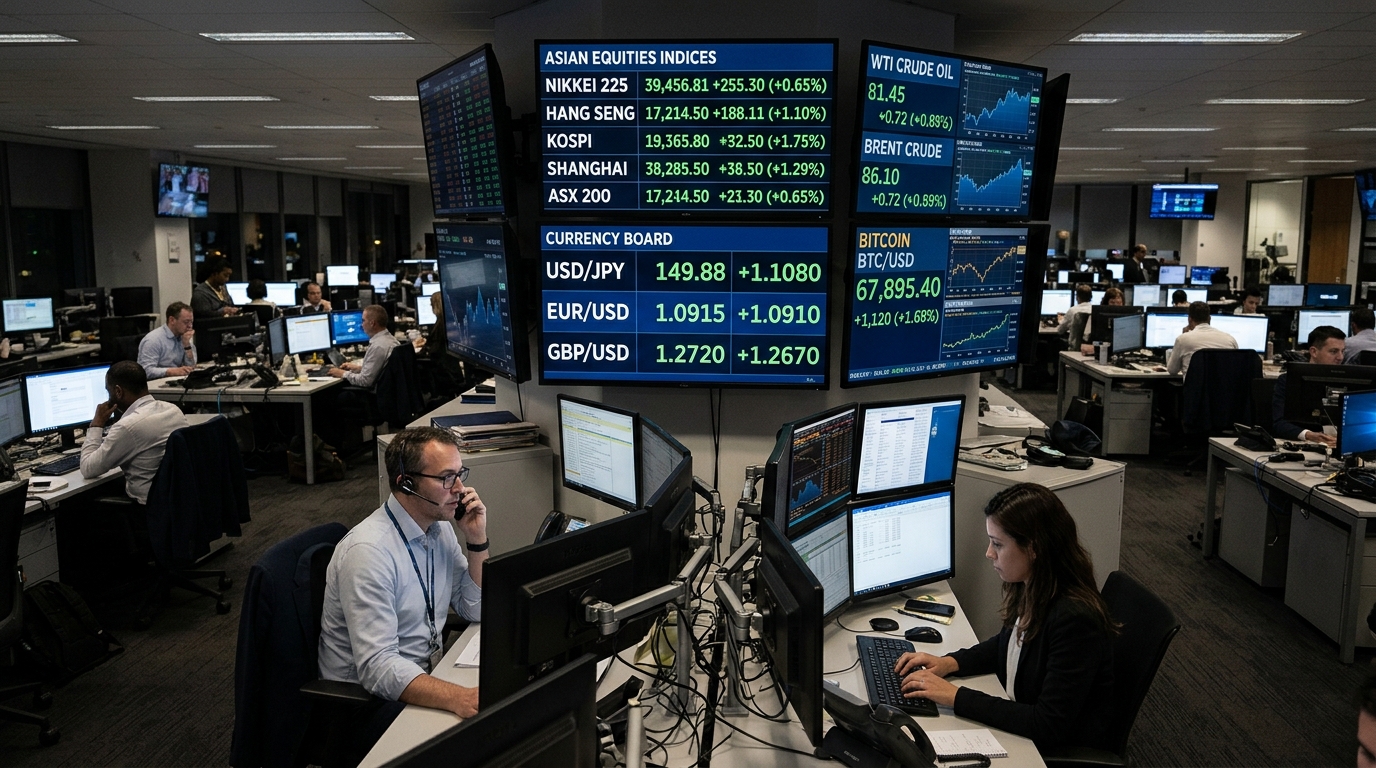
Global Markets Daily Brief — November 09, 2026
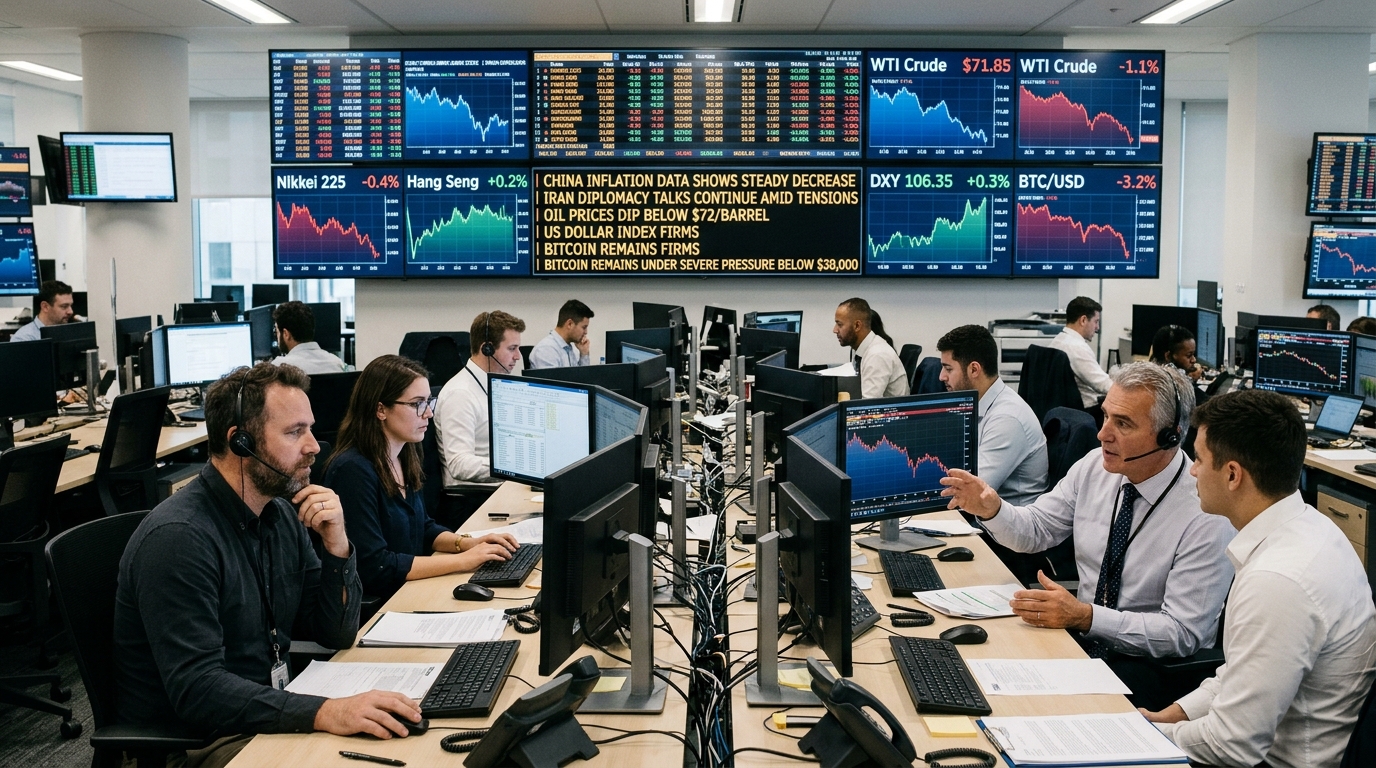
Global markets started the week with several cross-currents but no single shock dominating price action. Based on the day’s wire headlines, investors were balancing softer geopolitical risk around Iran, a fresh inflation signal from China, a still-firm U.S. dollar backdrop and ongoing caution toward parts of the artificial intelligence and crypto trades.
According to Investing.com, Asian stocks were steady as AI and Middle East jitters receded, while the dollar remained firm on expectations tied to the Federal Reserve outlook. That combination fits a market that is not in full risk-on mode but is also not pricing immediate escalation across the biggest macro themes.
Stocks steady as investors reassess AI and geopolitics
Equity sentiment appeared more stable than in recent sessions. Investing.com reported that Asian stocks held broadly steady, suggesting that investors were willing to pause after recent volatility connected to both AI-related headlines and Middle East concerns. The tone was cautious rather than enthusiastic.
One reason for that restraint is that AI remains a two-sided market story. On one hand, the broader AI theme still underpins leadership in global equities. On the other, company-specific governance and policy risks continue to complicate the trade. While Nvidia-related developments remain important to market leadership, those angles were already heavily covered in prior site output and remain part of the background rather than today’s lead development.
Elsewhere, readers should note that the S&P 500’s exposure to AI concentration was highlighted by MarketWatch. Even without repeating already-covered Nvidia stories, that framing reinforces a broader point for global equities: when leadership narrows, markets become more sensitive to policy, governance and earnings surprises among a small number of names.
Oil eases as Trump signals diplomacy still matters
In commodities, crude prices moved lower after comments from former President Donald Trump suggesting renewed U.S. strikes on Iran were “highly unlikely” if talks progress, though he also warned he could still strike. CNBC carried the comments, while Investing.com reported that oil fell as traders reacted to the reduced near-term probability of military action.
That does not remove geopolitical risk from energy markets. Instead, it shifts the market’s focus back toward diplomacy and headline risk. Oil traders appear to be recalibrating from a scenario of imminent escalation to one in which negotiations, meetings and official statements could drive shorter-term pricing.
Investing.com also reported that Trump is set to meet Qatar’s prime minister as Iran diplomacy faces hurdles. That suggests the market may continue to trade on political signaling rather than on supply disruption itself, at least for now.
China inflation sends a mixed signal to markets
China’s latest inflation data offered another important macro input. CNBC reported that Chinese wholesale inflation hit its highest level in more than four years as the consumer measure slowed. Investing.com similarly said China’s factory-gate inflation gained momentum in October while consumer price pressures stayed muted, and separately noted that CPI missed forecasts while factory-gate prices accelerated.
This combination matters because it points to uneven pricing power in the world’s second-largest economy. Stronger factory-gate inflation can reflect firmer upstream costs or better industrial demand conditions, but softer consumer inflation suggests that those price pressures are not fully passing through to households.
For investors, that mixed picture can cut several ways. It may support the view that China’s industrial side is seeing some momentum, which is relevant for exporters and commodity-linked sectors. But subdued consumer inflation also points to demand that may still be too soft to generate a more convincing global reflation signal.
Dollar holds firm, gold rebounds, crypto remains cautious
In foreign exchange, the U.S. dollar remained supported. According to Investing.com, the dollar held onto gains after payroll-related strength, while another report said the greenback stayed firm on Fed bets. A firm dollar can act as a restraint on risk assets, particularly emerging-market currencies and dollar-priced commodities.
Gold, meanwhile, rebounded above $4,100, according to Investing.com, as traders awaited U.S. inflation data after a stronger jobs backdrop. That move suggests investors are still keeping some defensive exposure despite the calmer tone in oil.
Crypto headlines remained pressured by operational, regulatory and sentiment concerns. Cointelegraph reported broad weakness in crypto and flagged separate issues ranging from executive turnover at Binance to suspicious prediction-market activity cited by The New York Times. Even without a single dominant price catalyst, the sector appears to be dealing with a credibility and confidence overhang.
What the market is watching next
- Iran diplomacy: whether political rhetoric continues to cool immediate oil-supply fears
- China data: whether producer-price strength broadens into firmer consumer demand
- U.S. rates and dollar: whether Fed expectations keep supporting the greenback
- Crypto sentiment: whether operational and policy headlines continue to outweigh risk appetite
Neutral outlook: The current market picture is one of stabilization rather than clarity. Stocks are steady, oil risk has eased somewhat, the dollar remains firm and crypto still faces confidence headwinds. Investors are likely to stay highly responsive to incoming macro and geopolitical headlines.
MarketPro reports are AI-assisted analyses of publicly reported market news. Not investment advice.