North Korea Missile Launches Lift Focus on Oil Risk
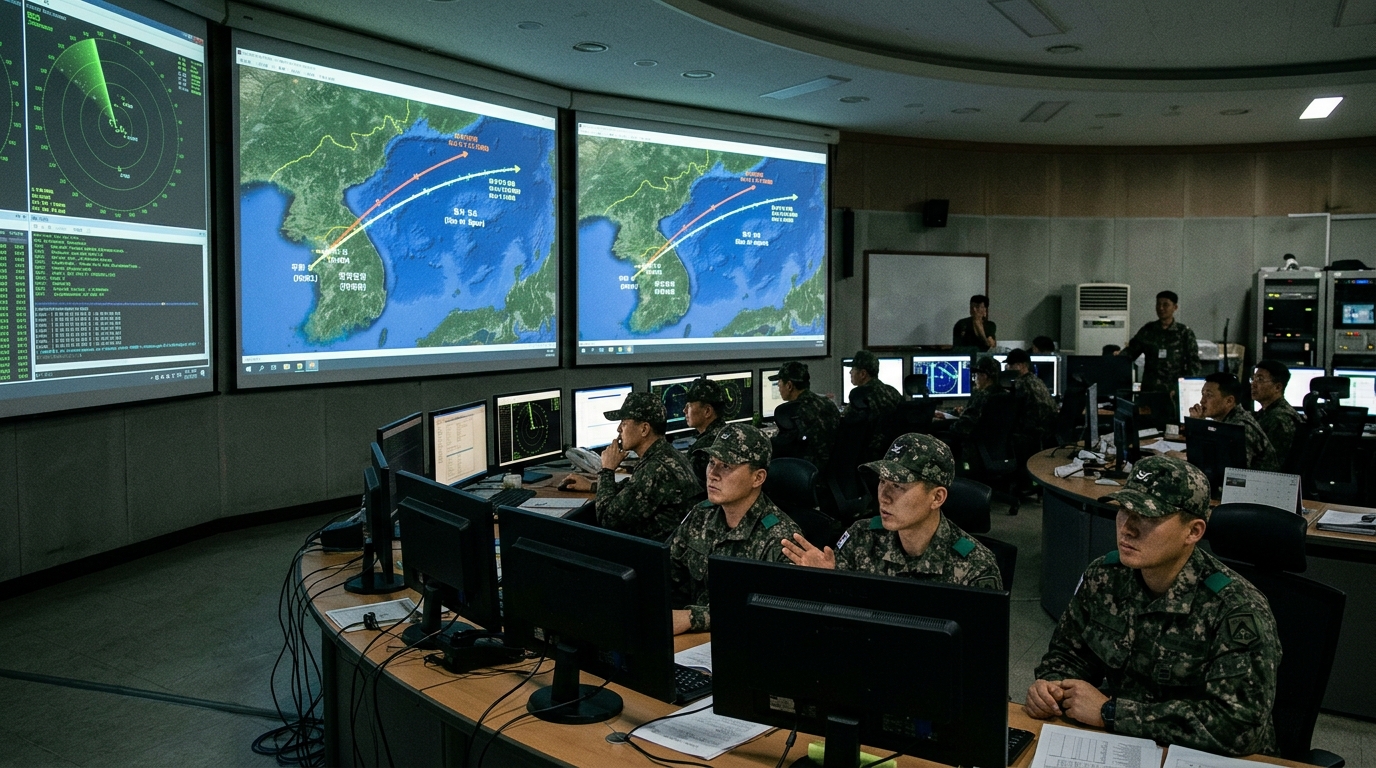
Energy and commodities markets have another geopolitical development to assess after North Korea fired two suspected ballistic missiles off its east coast within three hours, according to Investing.com. The report does not point to any direct supply disruption, but for oil and broader commodity markets the significance lies in how quickly transport and security risks can reshape trading sentiment across Asia and beyond.
Geopolitical events do not need to interrupt production immediately to affect commodity pricing. In many cases, they first change risk premiums, freight expectations and the market’s sense of regional stability. That matters in a market already sensitive to logistics costs and fuel-price pressure.
Why commodities traders pay attention
The missile launches matter because Asia is central to global energy demand, refining activity and maritime trade. Any security event in the region can sharpen focus on shipping routes, military posture and the possibility of broader diplomatic tensions. According to Investing.com, the launches happened within a short time window, which may heighten investor caution even if no immediate operational disruption is reported.
Commodity markets often react to such events in stages. First comes headline-driven repricing of risk. Then traders look for signs of escalation, government responses and any indication that transport flows, insurance conditions or regional trade patterns could be affected.
This is especially important because high fuel costs are already weighing on companies and economic activity. CNBC reported that tariffs, soaring fuel costs and higher interest rates are squeezing American companies. Separately, MarketWatch reported that record diesel prices are exposing pain points in both the stock market and the economy. Together, those reports show that energy costs are already a live macro issue before any new geopolitical premium is added.
Transport costs are part of the story
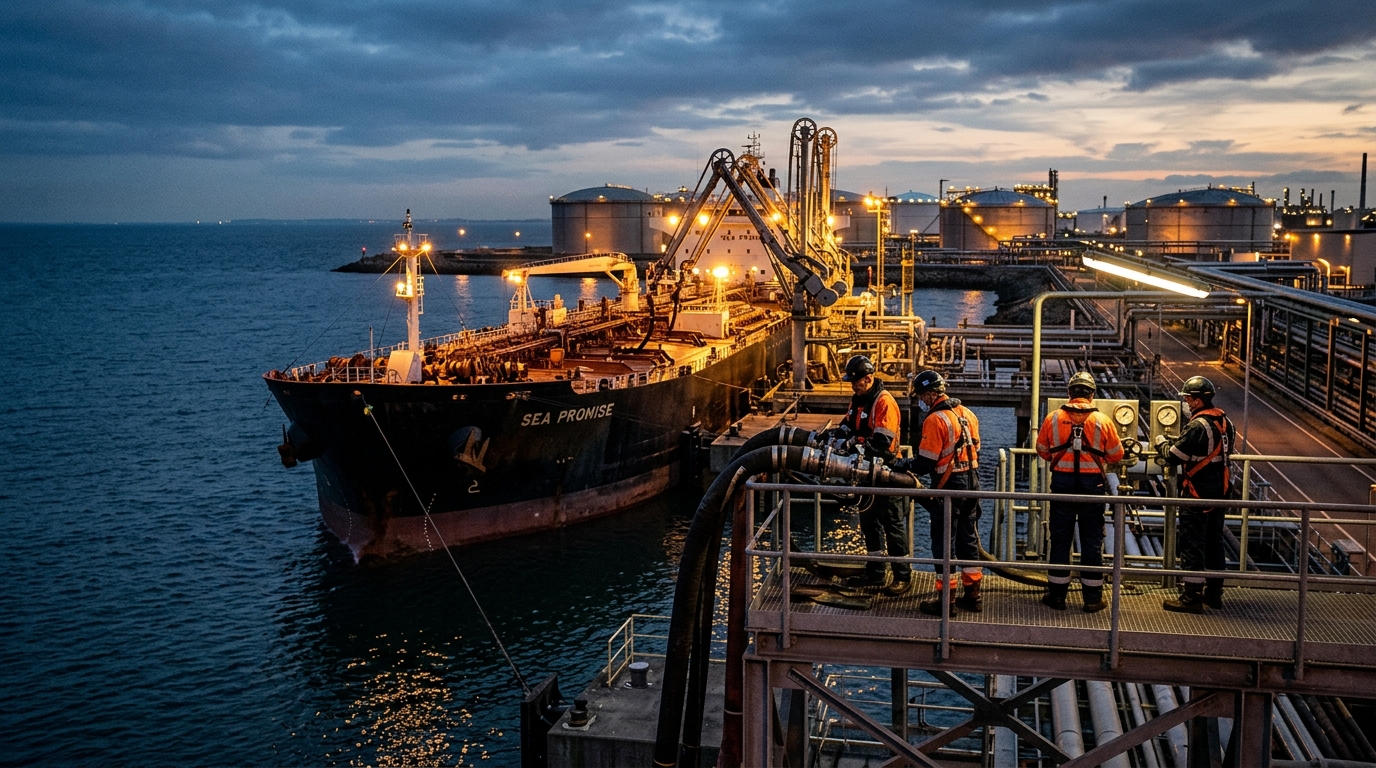
For commodities, geopolitical shocks are not only about crude supply. They can also affect the cost of moving goods. Diesel, shipping and insurance expenses can all become more important when regional military tensions rise. If traders begin to anticipate higher transport frictions, that can feed into prices across energy, industrial inputs and consumer-linked supply chains.
According to MarketWatch, diesel prices are already highlighting strain points in the economy. That means even a limited geopolitical event can have an outsized market impact if it lands on top of an existing cost-pressure environment.
In this sense, the North Korea launches are less a standalone oil story than a reminder of how many separate geopolitical factors are now feeding into commodities pricing. Traders are balancing supply fundamentals with a wide array of security risks, from regional conflicts to shipping vulnerabilities.
What the market may watch now
Because the available reporting only confirms the launches themselves, the next steps for commodity markets will depend on whether the event remains isolated or triggers a broader response. Traders are likely to monitor:
- Statements from regional governments for signs of escalation or restraint
- Defense and maritime alerts that could influence shipping sentiment
- Oil and diesel price reactions for evidence of a growing geopolitical premium
- Broader risk-asset moves that may reflect a shift in market confidence
At the same time, energy investors will continue to compare this event with other active geopolitical tensions affecting travel, trade and resource markets. CNBC also reported that the U.S. is urging Americans to reconsider Middle East travel as Iran tensions rise, reinforcing the point that global markets are managing multiple security-related variables at once.
A market already primed for sensitivity
The larger takeaway is that commodity markets are entering these headlines from a position of heightened sensitivity. Fuel costs are already elevated enough to pressure businesses, according to CNBC and MarketWatch reports. In that setting, fresh military developments in Asia can matter even without any confirmed hit to physical supply.
According to Investing.com, the immediate fact pattern is limited but serious: two suspected ballistic missile launches in a three-hour span. For commodities, that is enough to keep geopolitical risk firmly embedded in pricing discussions.
Neutral outlook: Unless the situation escalates into a transport or supply disruption, the main near-term effect may be a modest rise in risk awareness rather than a structural shift in commodity fundamentals.
MarketPro reports are AI-assisted analyses of publicly reported market news. Not investment advice.