US-China Talks Return Focus to Yuan and Dollar Watch
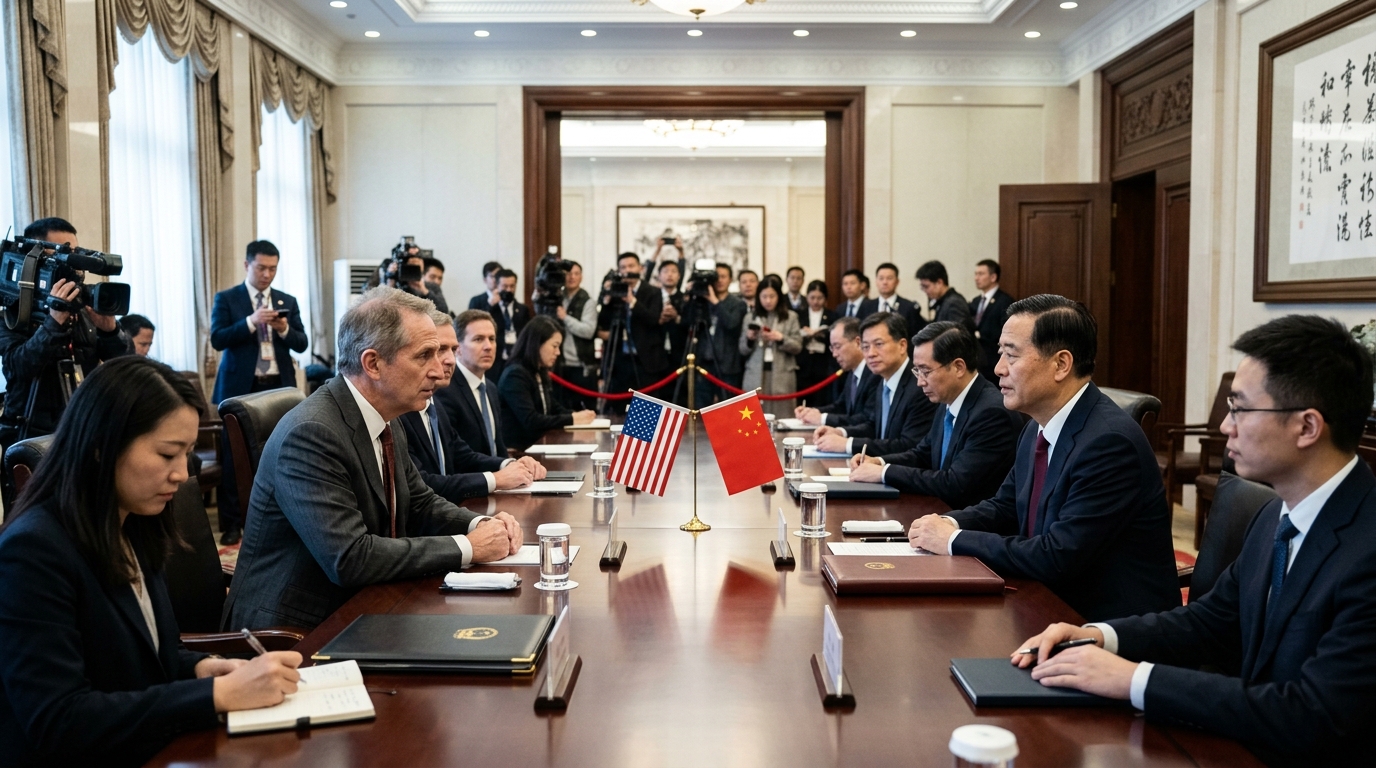
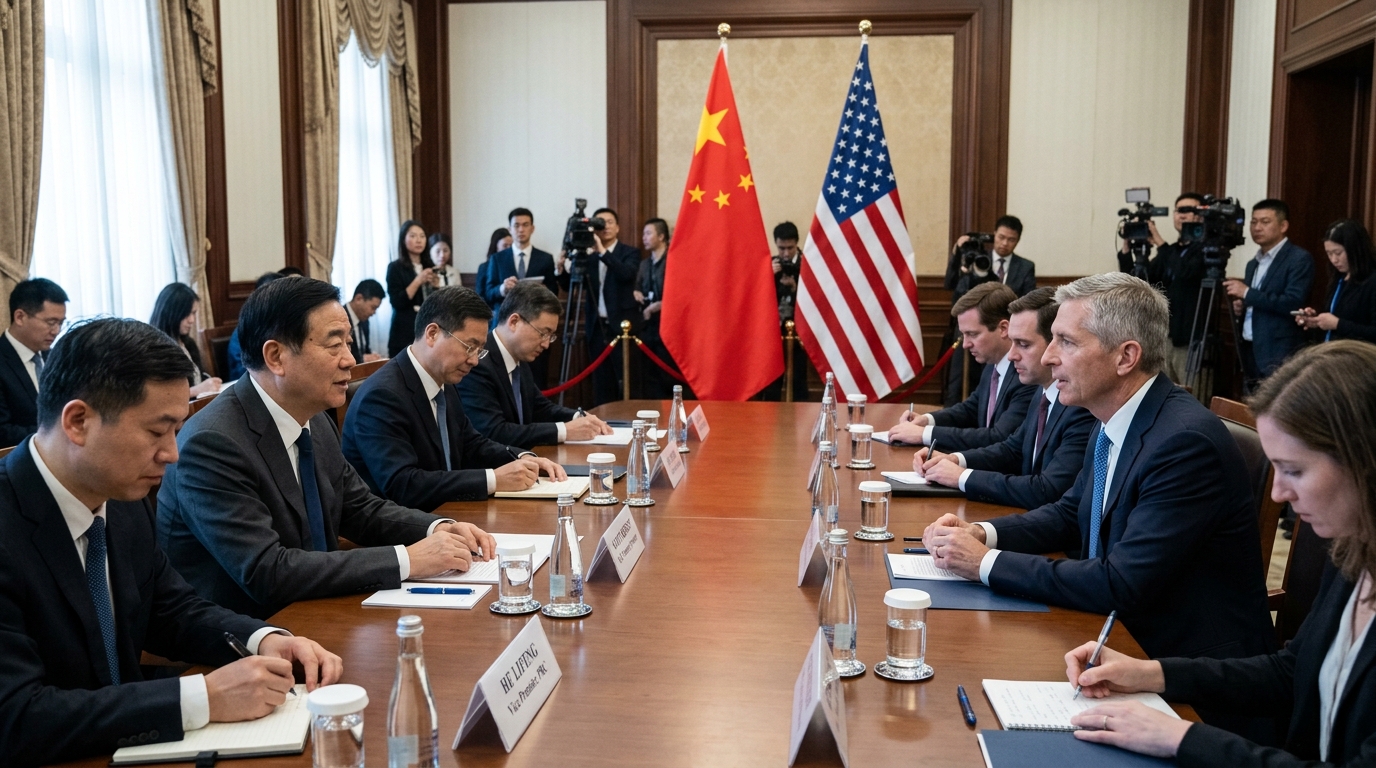
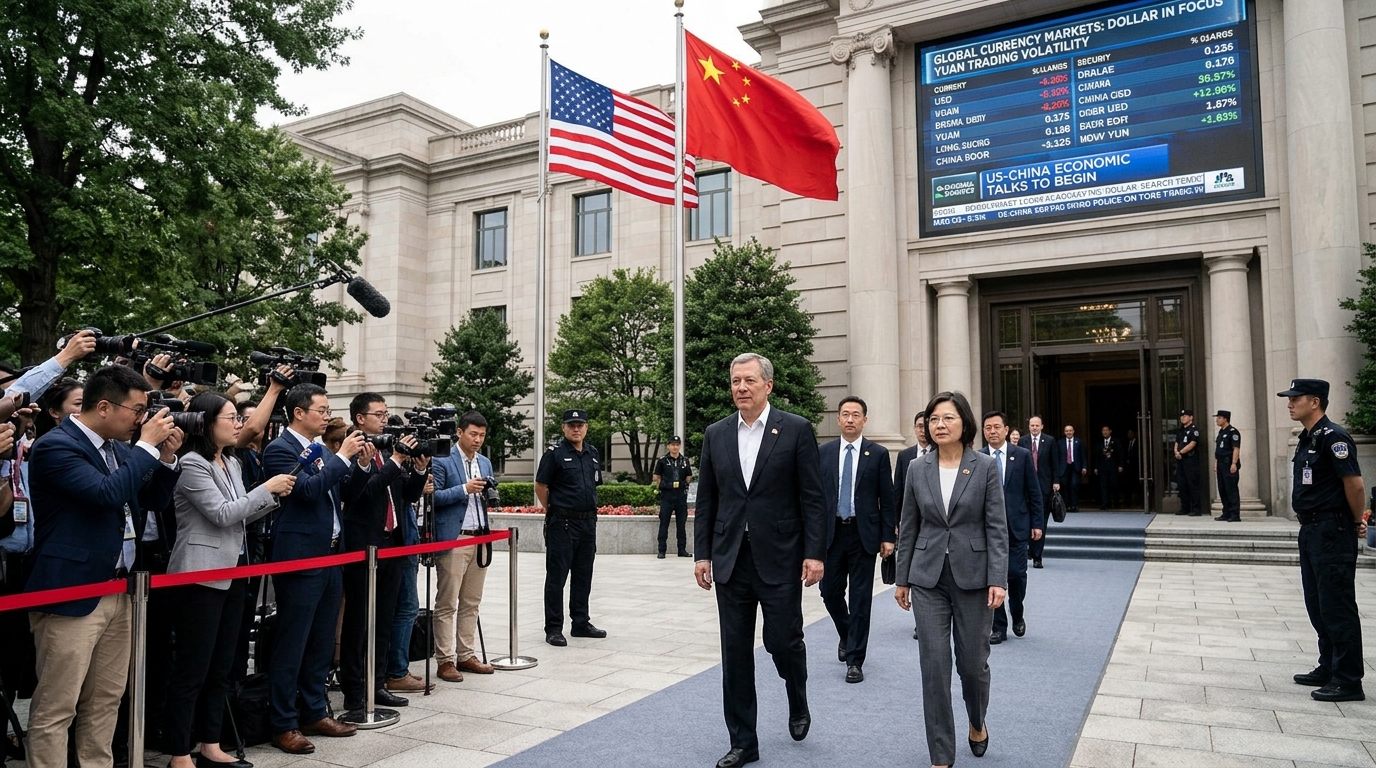
Foreign-exchange markets have a fresh geopolitical focal point after U.S. Treasury Secretary Scott Bessent met Chinese Vice Premier He Lifeng ahead of an expected summit between President Donald Trump and President Xi Jinping, according to CNBC. While the headline points to diplomacy first, markets typically read these meetings through a second lens: whether trade tensions, tariffs and broader bilateral relations could spill into currency expectations.
The immediate importance for forex investors is not that either side has announced a new exchange-rate framework. No such detail is supported by the available headlines. Instead, the significance lies in what high-level talks can signal about the path of trade friction between the world’s two largest economies. If tariff rhetoric intensifies, markets often reassess growth prospects, capital flows and relative policy risks, all of which can affect the U.S. dollar and China’s yuan.
Why currency markets care about a diplomatic meeting
Currency trading reacts quickly to any development that could alter cross-border trade or investment. A meeting between Bessent and He suggests that both governments are maintaining an active negotiating channel before a Trump-Xi summit, according to CNBC. That alone matters because forex markets generally prefer a functioning dialogue over a communication vacuum.
When U.S.-China relations deteriorate, the dollar can benefit from safe-haven demand while the yuan may face pressure from concerns about exports, capital outflows or weaker business confidence. When relations stabilize, traders may look for reduced tail risks, even if no immediate policy breakthrough emerges.
This is especially relevant now because tariffs remain a live issue in the broader U.S. economic debate. CNBC separately reported that American companies are being squeezed by tariffs, high fuel costs and higher interest rates. That combination underscores how trade policy is not only a diplomatic matter but also a macro and cost-pressure issue that can shape inflation and growth expectations.
Tariffs, growth and the dollar link
For forex markets, tariffs matter in at least three ways:
- Growth expectations: Higher trade barriers can weigh on global demand and manufacturing activity.
- Inflation transmission: Tariffs can raise import costs, potentially complicating monetary-policy expectations.
- Risk sentiment: Escalating trade disputes often push investors toward perceived safe-haven assets, including the dollar.
That backdrop makes the Bessent-He meeting more than a routine diplomatic engagement. It serves as a marker for whether the trade relationship is moving toward de-escalation, renewed confrontation or prolonged uncertainty.
According to CNBC, the meeting comes ahead of a Trump-Xi summit, which raises the stakes for any signals coming from both capitals. Even absent formal policy announcements, markets will watch the tone closely. A constructive tone could reduce some near-term volatility around Asia-sensitive currencies. A tougher tone could reinforce demand for defensive positioning.
China’s broader strategic backdrop
China’s external ambitions are also part of the wider market picture. MarketWatch reported that China is chasing SpaceX and aiming at the global space economy, highlighting Beijing’s interest in strategic, capital-intensive industries with long-term economic significance. While that story is not directly about foreign exchange, it adds context to how China is positioning itself economically and technologically as it manages a complex relationship with the United States.
For markets, that means U.S.-China talks are taking place against a backdrop that extends beyond tariffs alone. Technology competition, strategic industries and economic influence all feed into long-run expectations for trade flows and capital allocation.
What forex traders may watch next
With only the headline-level facts confirmed, traders are likely to focus on secondary signals rather than claimed outcomes. These may include:
- Official readouts for changes in tone or emphasis
- Summit timing and agenda clues tied to trade and economic policy
- Any follow-on commentary about tariffs, market access or financial cooperation
- Moves in broader risk assets that may feed back into dollar demand
According to CNBC, the key near-term development is the meeting itself and its connection to the upcoming Trump-Xi summit. Without confirmed policy specifics, the prudent market interpretation is that diplomacy has resumed a central role in shaping expectations for trade and currencies.
Neutral outlook: The Bessent-He talks do not yet establish a new currency or trade regime, but they put forex markets on alert for further signals from U.S.-China diplomacy ahead of a potentially market-moving leaders’ summit.
MarketPro reports are AI-assisted analyses of publicly reported market news. Not investment advice.