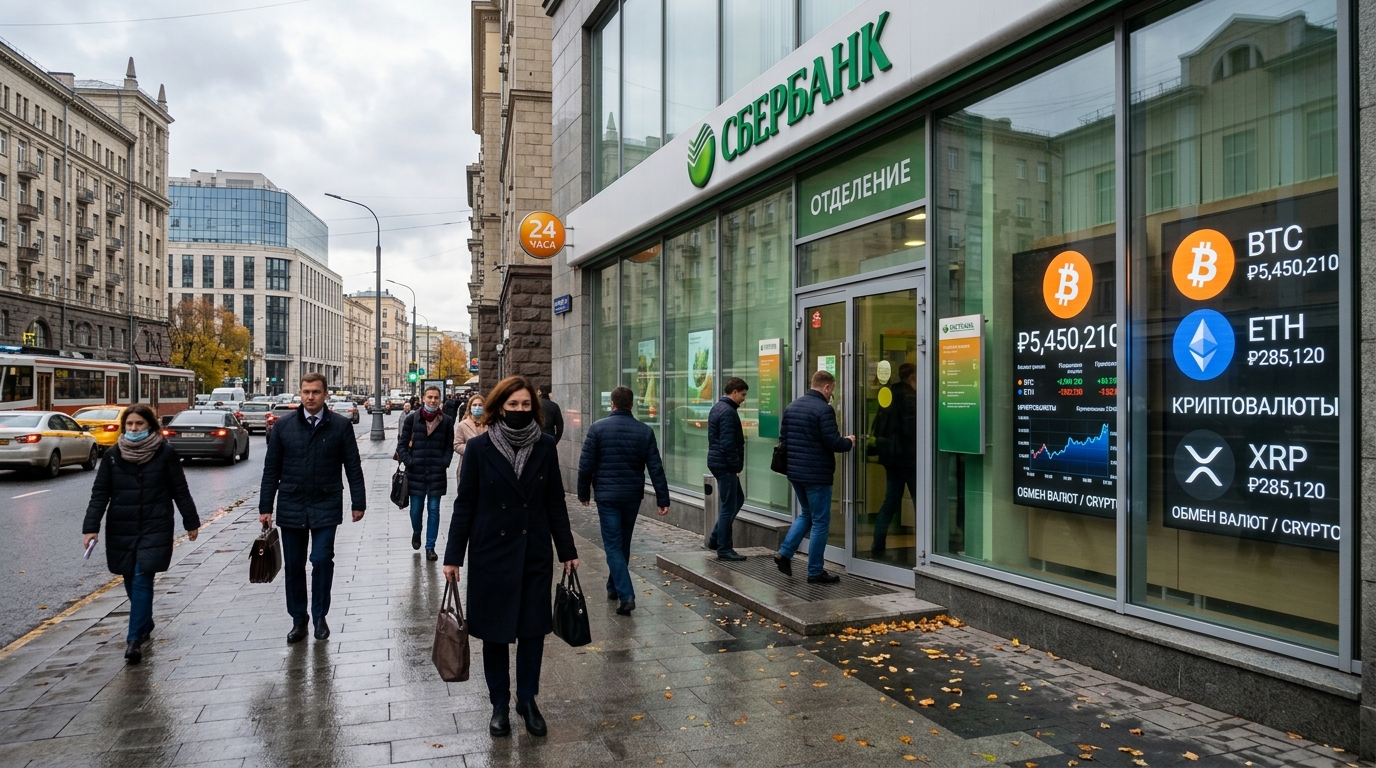
Bitcoin holds firm as wallet security concerns resurface
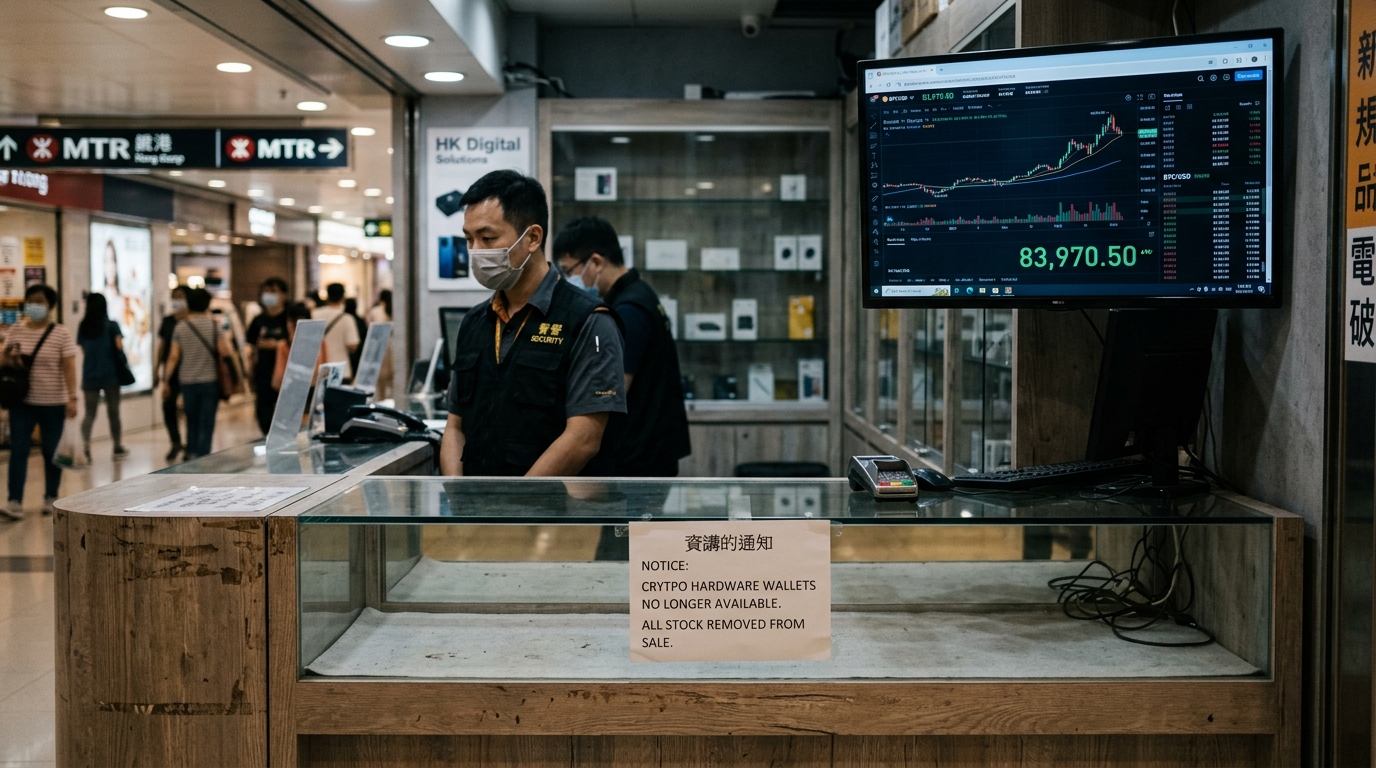
Bitcoin showed resilience heading into October 14, even as parts of the crypto industry dealt with fresh security-related distribution concerns. Cointelegraph reported that Bitcoin kept up pressure on the $84,000 level as U.S. stocks skirted a Korea tech sell-off, while separate Cointelegraph reports said Ledger asked resellers to halt sales in Southeast Asia and Hong Kong and Trezor reduced resellers as a preventative step amid Ledger tampering reports.
Taken together, those headlines point to a split-screen crypto market: price action in major tokens remains firm, but operational trust and product distribution are again under scrutiny. For investors and industry participants, that distinction matters. Crypto prices can stay strong even as infrastructure questions re-emerge beneath the surface.
Bitcoin diverges from equity caution
The immediate market headline is Bitcoin’s ability to maintain upward pressure despite a less supportive backdrop in parts of the equity market. According to Cointelegraph, the cryptocurrency held firm near $84,000 while U.S. stocks contended with technology-sector weakness. That relative strength is notable because digital assets often trade as high-beta expressions of risk appetite, especially when macro uncertainty is elevated.
Today, however, the crypto tape appears to be signaling selective resilience rather than broad stress. That does not mean digital assets are detached from macro conditions, but it does suggest that buying interest in Bitcoin has not disappeared simply because semiconductor and AI-linked stocks have struggled.
Ledger and Trezor headlines put security back in focus
At the same time, the day’s industry headlines are a reminder that crypto adoption depends on more than token prices. Cointelegraph reported that Ledger asked resellers to halt sales in Southeast Asia and Hong Kong. It also reported that Trezor reduced resellers as a preventative measure amid Ledger tampering reports.
Those are significant developments because hardware wallets are marketed as security-focused products for self-custody. Any concern involving reseller channels, tampering risk or supply-chain trust can have implications beyond the specific companies involved. Users may become more cautious about where devices are purchased, while resellers and distributors may face heavier scrutiny.
Importantly, the available headlines support reporting that these steps were precautionary or linked to tampering concerns, but they do not provide verified details beyond that. The core confirmed takeaway is that major wallet brands are tightening reseller practices in affected markets.
Tokenized trading points to evolving market structure
Another Cointelegraph report said that most tokenized stock trading on Solana and BNB Chain occurs outside U.S. market hours. That is a useful complement to the wallet-security story because it highlights two sides of crypto market development at once: innovation in trading access and persistent questions about infrastructure reliability.
The growth of tokenized equities and around-the-clock activity has been one of the sector’s recurring themes, especially for users seeking access beyond traditional exchange hours. But for such products to gain wider institutional or retail trust, surrounding systems such as custody, device security and distribution controls also need to appear robust.
In that sense, the hardware-wallet headlines are not isolated operational footnotes. They speak directly to one of crypto’s biggest strategic questions: whether the ecosystem can scale access without weakening confidence in the tools people use to secure assets.
Privacy and policy remain part of the backdrop
Broader digital-asset policy themes were also visible in the wire. Cointelegraph reported that digital cash offers cash-like privacy but that bank data breaches threaten users, citing the BIS. Another Cointelegraph piece examined how the SEC’s lack of leadership could facilitate crypto rulemaking. Those items reinforce that crypto’s next phase remains shaped by both market demand and institutional frameworks.
For now, though, the stronger immediate signal is that Bitcoin price resilience is coexisting with unresolved infrastructure and compliance questions. That has often been true in crypto history: market momentum can advance faster than the operational systems built around it.
Why this matters now
According to Cointelegraph reports, crypto participants are watching two things at once: whether Bitcoin can sustain strength near recent highs, and whether wallet makers’ precautionary steps can contain concerns around reseller networks. Those developments affect different parts of the market, but both are essential to confidence.
If price strength continues, attention may remain on momentum and adoption narratives. If security worries spread, the conversation could shift toward custody standards and distribution oversight, especially in regions directly affected by the reseller restrictions.
Neutral outlook: Bitcoin’s resilience suggests demand remains intact for now, but wallet-security and distribution issues could stay in focus as the industry balances growth with trust.
MarketPro reports are AI-assisted analyses of publicly reported market news. Not investment advice.