Coinbase pushes single-stock crypto futures into U.S. spotlight
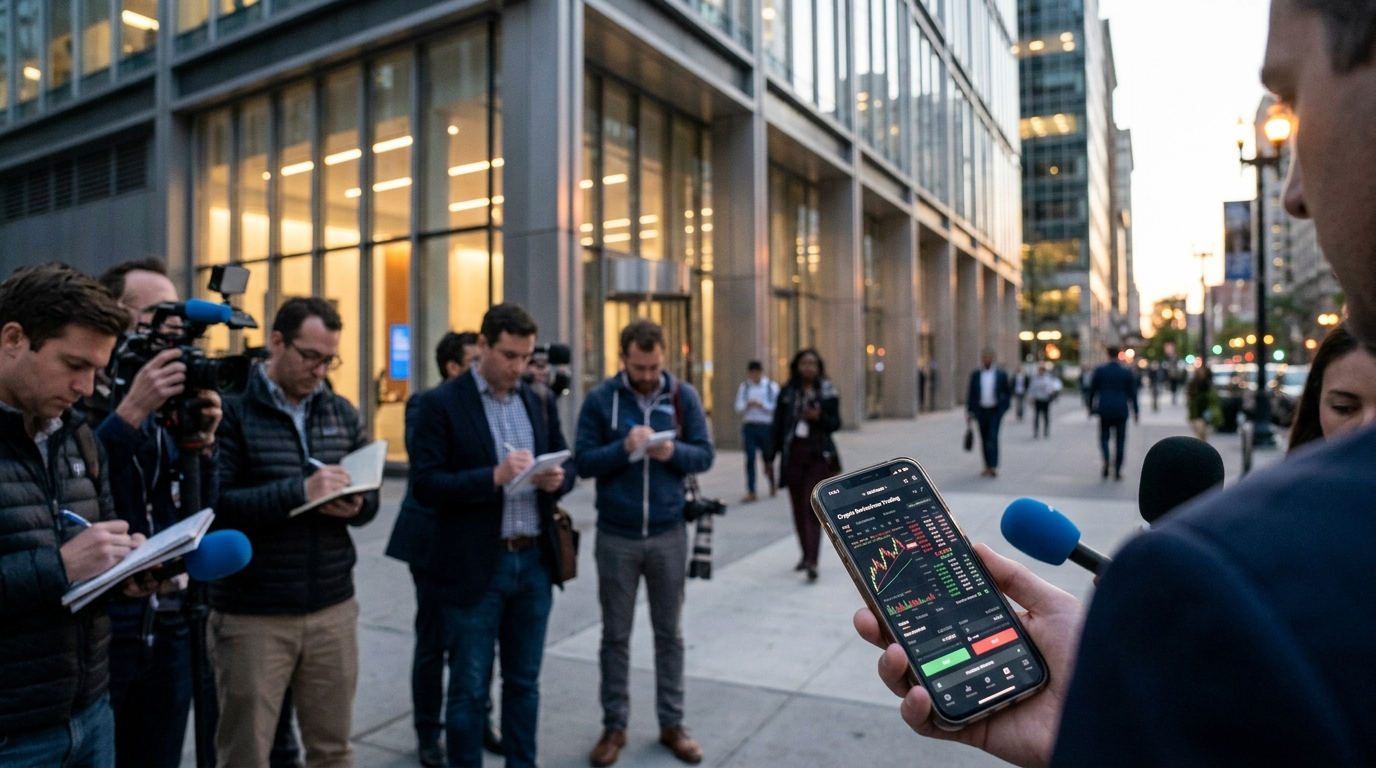
Coinbase has filed to bring single-stock perpetual futures to the U.S. market, marking a notable new step in the expansion of crypto-linked derivatives at a time when competition and regulatory scrutiny are both intensifying.
Cointelegraph reported that Coinbase made the filing to launch single-stock perpetual futures in the United States. In a separate development, Cointelegraph also reported that Binance launched 24/7 foreign-exchange perpetuals with a weekend pricing system, underscoring how global crypto venues are still pushing product innovation even as policymakers examine the sector more closely.
Why the Coinbase filing stands out
A move into single-stock perpetual futures would be significant because it combines two areas that have each drawn strong investor interest: equity exposure and round-the-clock crypto-style derivatives trading. For Coinbase, the filing suggests an effort to deepen its position in regulated U.S. market infrastructure rather than relying only on spot crypto trading.
That matters in the current environment because exchange operators are under pressure to diversify revenue sources and defend market share. Derivatives tend to be strategically important in that effort, particularly when spot volumes fluctuate with shifts in risk appetite.
A broader race in product design
The Coinbase development did not happen in isolation. According to Cointelegraph, Binance introduced 24/7 FX perpetuals with weekend pricing, another example of crypto platforms looking for ways to extend the always-on trading model into asset classes that are traditionally more constrained by market hours.
Taken together, the two headlines suggest a broader industry push: exchanges are trying to build products that blur the boundaries between crypto market structure and traditional finance exposures.
Key themes behind the move
- Revenue diversification: Exchanges continue to look beyond spot trading.
- Market access: New products may appeal to traders seeking continuous exposure.
- Competitive pressure: Product launches are becoming a major battleground across platforms.
- Regulatory sensitivity: U.S.-focused filings face closer scrutiny than offshore launches.
Why U.S. market structure matters
The U.S. remains one of the most important but also most closely watched markets for crypto financial products. A filing by Coinbase carries added importance because the company operates in a jurisdiction where digital-asset regulation is still evolving and where product design can have wider policy implications.
Even without drawing conclusions beyond the headline, the contrast with Binance is notable. One platform is pursuing a U.S. filing tied to stock-based perpetual contracts, while another is rolling out foreign-exchange perpetuals with continuous trading features. That contrast illustrates the split between regulated market development and faster-moving international product experimentation.
What investors and markets may watch next
The immediate significance of the filing is less about volumes and more about direction. If crypto exchanges can successfully extend derivatives formats into adjacent asset categories, the competitive map of digital trading platforms could shift further toward multi-asset offerings.
At the same time, new derivative structures usually attract more attention from regulators, market operators and risk managers. That makes execution and oversight just as important as product novelty.
According to Cointelegraph reports, the latest filings and launches show that derivatives remain central to the crypto industry's next phase, especially as firms seek growth beyond straightforward token trading.
Neutral outlook: The next signal for the market will likely be whether new crypto-derivative products gain traction within existing regulatory frameworks, particularly in the United States where approval paths carry outsized strategic importance.
MarketPro reports are AI-assisted analyses of publicly reported market news. Not investment advice.