Data-Center Debt Risks Add New Pressure to AI Trade
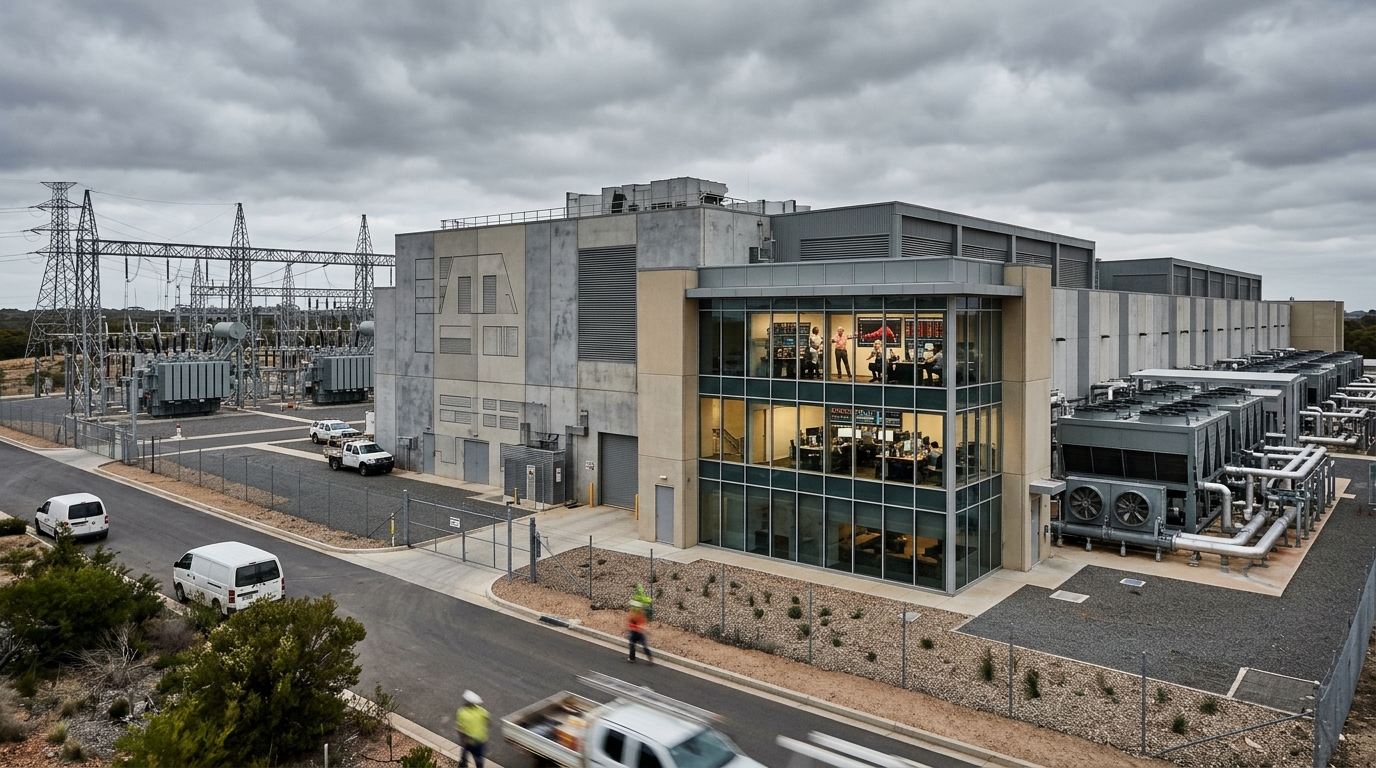
The market debate around artificial intelligence is widening beyond chip demand and software valuations. A fresh concern is now moving closer to the center of the story: how the AI infrastructure boom is being financed. According to a MarketWatch report, data centers run on debt, and that dependence became a problem for bonds this year. Combined with CNBC reporting that Microsoft plans to use fewer neocloud providers as its AI buildout shows signs of strain, investors are getting new reasons to examine whether the next leg of AI growth will be constrained not by ambition, but by capital intensity.
The issue matters because data centers are not just another technology subsector. They sit at the heart of the cloud and AI buildout, linking semiconductors, power equipment, networking, land, utilities and credit markets. When financing conditions tighten, the impact can ripple well beyond real estate or infrastructure lenders. It can affect the timing of server deployments, cloud capacity additions and the economics supporting some of the most closely watched growth narratives in global markets.
MarketWatch framed the problem directly: the sector’s reliance on debt became a notable stress point this year, and the outlook could worsen. That suggests bond investors have become more sensitive to leverage, project risk and the sustainability of expansion assumptions. For equity investors, this introduces a second-order risk. Even if demand for AI computing remains strong, the cost of building and funding the capacity required to meet that demand may become harder to justify at previous valuations.
CNBC’s reporting on Microsoft adds an important operational angle. If one of the world’s largest cloud and AI players is planning to use fewer neoclouds, that can be read as a sign that the market is becoming more disciplined. It does not necessarily mean the AI buildout is ending. But it does suggest large buyers may be prioritizing efficiency, reliability and cost control more than before.
Other CNBC headlines point in both directions. The network reported that OpenAI will keep investing in AI data centers despite the election result, and that Kevin Hassett said a blue wave would not stop the AI buildout. Those reports reinforce that strategic commitment remains in place. Yet persistent spending plans do not erase financing risk. Instead, they raise the stakes around execution, especially if debt markets remain demanding.
Why this matters for commodities and infrastructure
Although the market often treats this as a technology story, data centers are also deeply tied to physical inputs and infrastructure. They require land, electricity, cooling systems and construction materials, and they affect utility planning and industrial supply chains. That is why debt stress in this area can spill into broader infrastructure expectations. If projects are delayed or repriced, demand assumptions for associated inputs can also change.
What investors are watching
- Borrowing conditions: Higher funding costs can pressure project economics.
- Capacity discipline: Microsoft’s reported neocloud pullback may indicate more selective spending.
- Execution risk: Continued commitment from OpenAI and others keeps expansion alive but raises focus on returns.
- Cross-market effects: Bond stress in infrastructure can feed back into equity sentiment.
The recent AI sell-off, referenced by CNBC in reactions from OpenAI, Arm and Qualcomm executives, shows how quickly sentiment can turn when investors start questioning the durability of the trade. The debt issue deepens that challenge because it affects the plumbing of the investment cycle rather than only the headline valuations of popular stocks.
Neutral outlook: the AI infrastructure theme remains intact in strategic terms, but financing conditions are becoming a more important test of how fast and how profitably the buildout can continue.
MarketPro reports are AI-assisted analyses of publicly reported market news. Not investment advice.