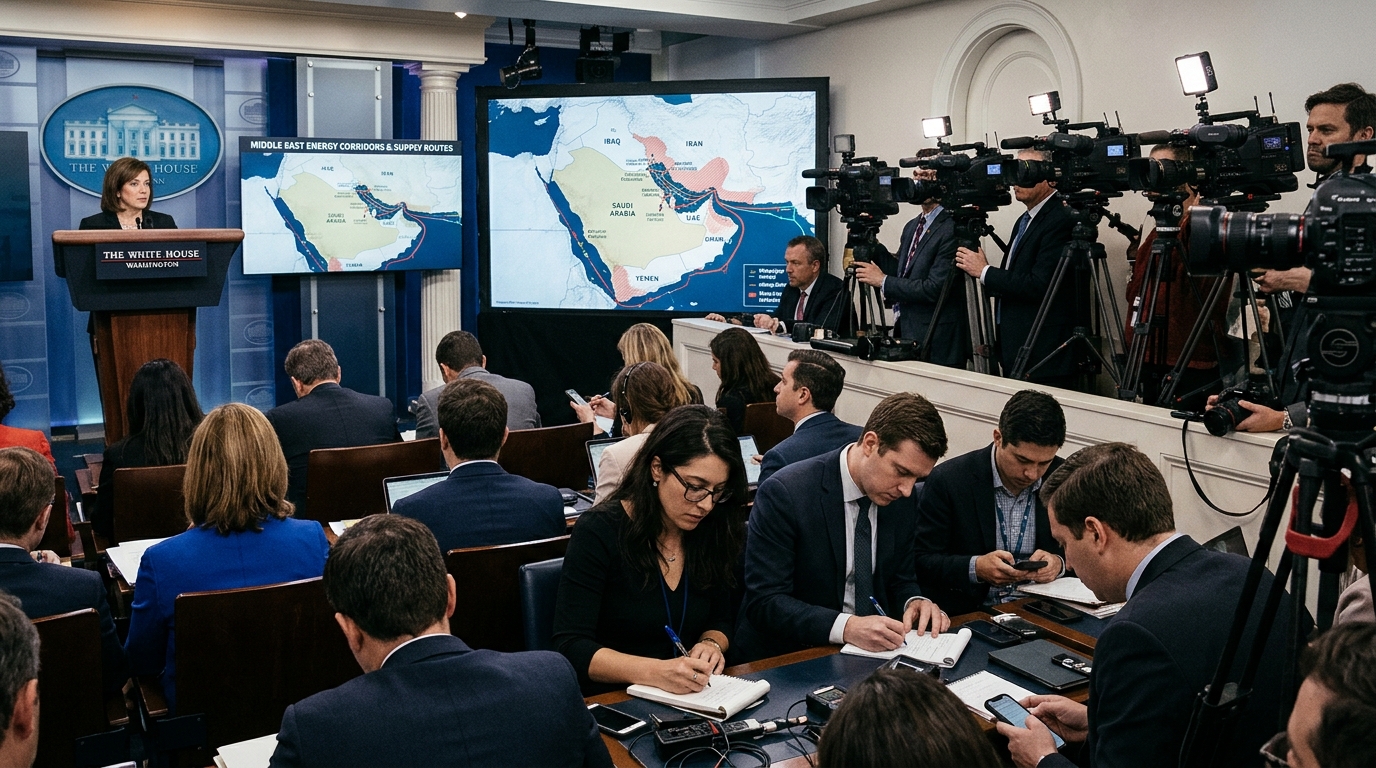
Oil slips as Iran strike risk eases, diplomacy stays key
Oil prices moved lower after new comments from Donald Trump reduced the perceived odds of near-term military escalation involving Iran, even as he kept the possibility of future strikes on the table. For energy markets, the reaction suggests traders are temporarily pricing a lower immediate disruption risk while staying alert to a geopolitical situation that remains fluid.
According to CNBC, Trump said renewed strikes on Iran were “highly unlikely” if talks progress, but he also warned that he could still strike. Investing.com reported that oil fell after those remarks, indicating that the market focused first on the de-escalatory part of the message. In a separate headline, Investing.com also said Trump is set to meet Qatar’s prime minister as Iran diplomacy faces hurdles.
Why oil reacted lower
Crude prices are highly sensitive to any shift in the probability of conflict that could affect supply routes, regional production or shipping security in the Middle East. When market participants hear that strikes are less likely in the near term, some of the risk premium built into prices can come out quickly.
That appears to be what happened here. The remarks did not eliminate geopolitical danger, but they did change the balance of probabilities enough for traders to mark down immediate supply-disruption fears. In oil markets, the time horizon matters: a risk that looks less urgent can still remain significant over the medium term.
The qualifier in Trump’s statement is also important. Saying strikes are unlikely if talks progress means the market is now more sensitive to diplomatic headlines. Positive signals from meetings or back-channel contacts could weigh on crude, while setbacks in negotiations could quickly reverse today’s move.
Diplomacy, not just supply, is driving prices
The upcoming meeting with Qatar’s prime minister adds another layer for traders to monitor. Qatar has often been watched as a relevant diplomatic actor in regional negotiations, so any engagement there can be interpreted as part of a wider effort to manage tensions. According to Investing.com, however, those diplomatic efforts still face hurdles.
That means the oil market is not shifting into complacency. Instead, it is moving from an escalation-led framework to a diplomacy-led framework. This is a meaningful distinction. Under the first scenario, prices respond most strongly to military developments. Under the second, they react to statements, meetings and signs of progress or deadlock.
In practical terms, that can increase day-to-day volatility because verbal signals and political interpretations can change quickly.
What this means for broader markets
Oil’s decline may ease some pressure on inflation-sensitive assets in the near term, especially if the pullback proves durable. Lower energy prices can be read as modestly supportive for consumer purchasing power and less threatening for central banks worried about commodity-driven price spikes.
At the same time, the broader market backdrop remains cautious. Investing.com reported that Asian stocks were steady as Middle East jitters receded, implying that equities welcomed the drop in immediate energy-related risk. But a steadier tone is not the same as full relief, especially while the U.S. dollar remains firm and geopolitical diplomacy is unresolved.
For commodity investors, this also reinforces how quickly crude can move on political language alone. No actual supply change was reported in the headlines provided today. The move was instead about perceived probabilities: less chance of immediate conflict, more emphasis on negotiations.
Why headline risk is still high
Several factors suggest that oil’s reaction should not be viewed as the end of the story.
- Conditional language: the lower-strike-risk message depends on talks continuing to progress.
- Diplomatic fragility: Investing.com explicitly said diplomacy still faces hurdles.
- Regional sensitivity: any new security incident could reprice oil quickly.
- Market positioning: traders may stay reluctant to remove all geopolitical premium.
That combination makes the current move look more like a reduction in immediate fear than a complete normalization of energy market risk.
What to watch next
Investors will likely focus on official comments around the Qatar meeting, any follow-through on U.S.-Iran diplomatic channels and whether physical supply indicators show any sign of disruption. Broader risk sentiment across equities and currencies may also remain tied to whether oil stabilizes or reverses higher on fresh headlines.
Neutral outlook: Oil has responded to a lower near-term strike risk, according to CNBC and Investing.com, but the market is still trading a fragile diplomatic process. Unless talks clearly improve or deteriorate, crude may remain highly reactive to incremental geopolitical signals.
MarketPro reports are AI-assisted analyses of publicly reported market news. Not investment advice.