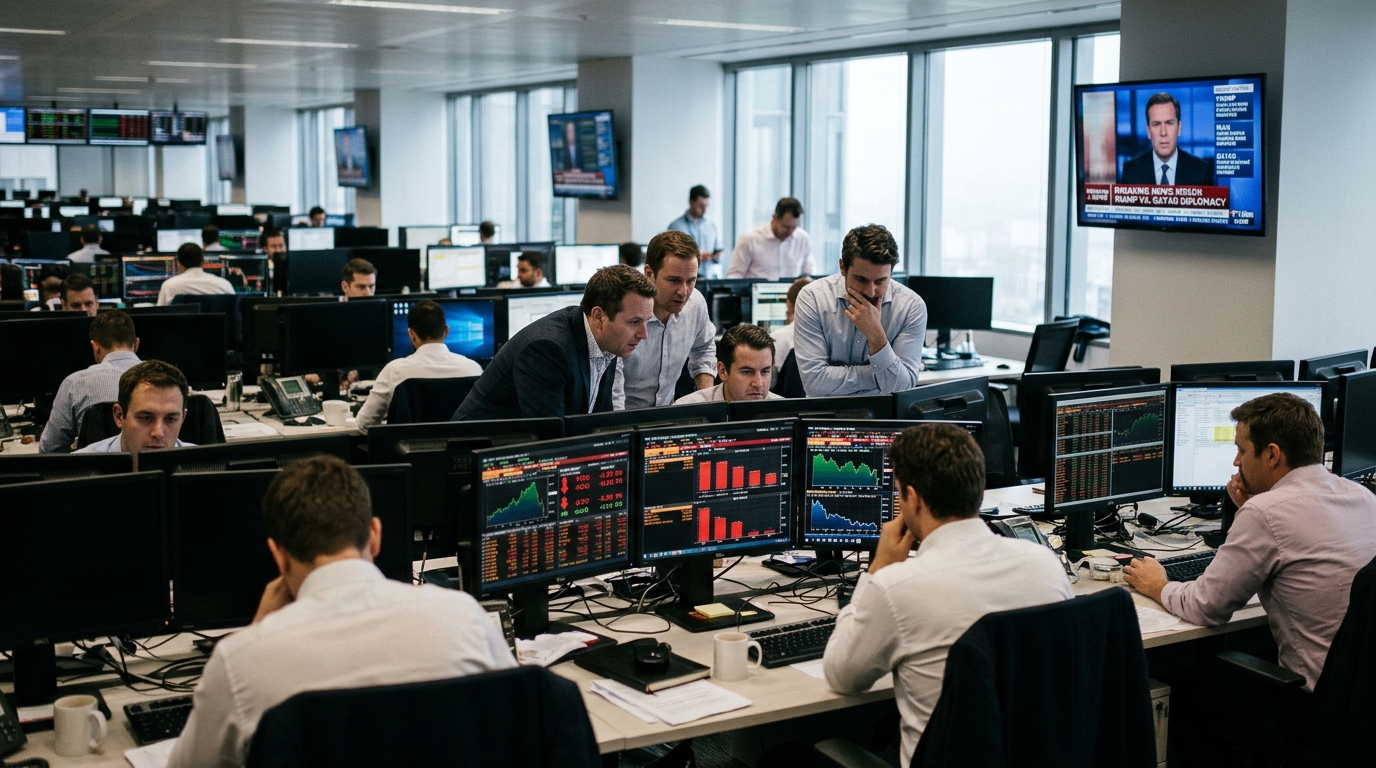
Trump Iran comments keep oil risk tied to diplomacy
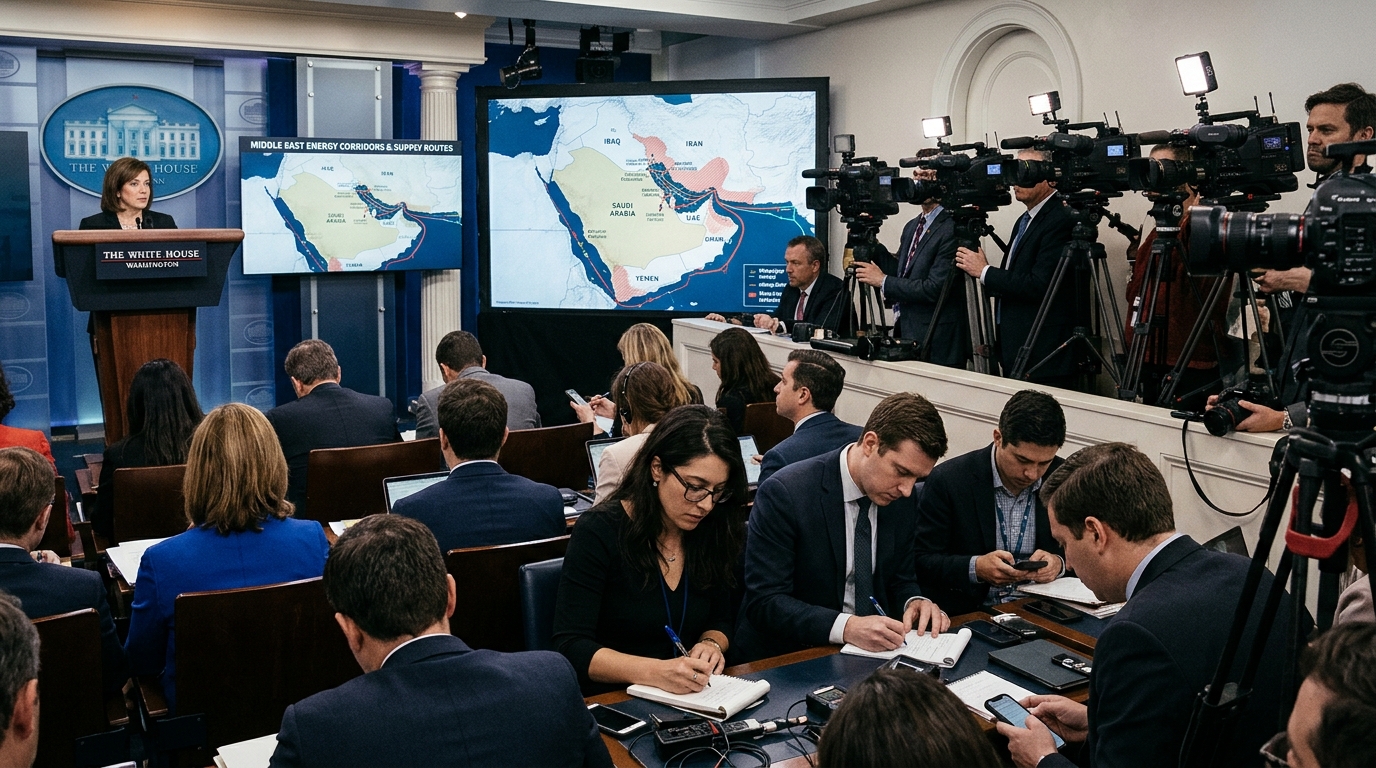
Oil traders have a familiar problem again: geopolitical risk that can fade on diplomatic headlines and reappear just as quickly on military warnings. CNBC reported that Donald Trump said renewed strikes on Iran are “highly unlikely” if talks make progress, while also warning that he could still strike. For energy markets, that combination keeps crude pricing tethered to both diplomacy and conflict risk rather than allowing a clean unwind of the geopolitical premium.
The significance of the remarks lies in the conditional message. A reduced likelihood of military action, if talks advance, may appear calming at first glance. But the explicit reservation that strikes remain possible means the market cannot confidently remove disruption risk tied to the Middle East. For oil, where shipping, production and regional security expectations can shift rapidly, that kind of two-sided signal tends to preserve volatility rather than eliminate it.
Why these comments matter for crude
Iran sits near some of the world’s most strategically important energy routes and remains central to the market’s broader assessment of Gulf supply stability. Even when there is no immediate change in physical output, rhetoric from U.S. political leaders can influence how traders price the probability of future supply disruptions, sanctions shifts or transport risks.
According to CNBC, Trump’s framing linked lower strike odds directly to progress in talks. That places diplomacy at the center of the market narrative. If negotiations appear to advance, traders may feel more comfortable reducing some risk premium. If talks stall or the tone hardens, crude could regain support from fears of renewed confrontation.
In other words, the market is being asked to price not a single outcome, but a moving range of scenarios:
- Diplomatic progress: could ease immediate fears of military escalation.
- Breakdown in talks: could revive concern about strikes or broader regional instability.
- Ambiguous messaging: can itself sustain volatility because traders cannot fully rule out either path.
Why the geopolitical premium may linger
Energy markets generally react not only to confirmed disruptions but also to the risk that a disruption could emerge with little warning. Trump’s comments, as reported by CNBC, do not point to imminent action, but they do preserve the possibility of one. That makes it harder for crude markets to settle into a purely fundamentals-driven view based only on demand, inventories or production policy.
It also matters that the current market backdrop remains sensitive to headline risk. Oil prices can move quickly when traders reassess the probability of conflict near major production hubs or transit chokepoints. Even absent a direct strike, any perceived increase in tension can affect tanker rates, insurance costs and risk appetite across energy-linked assets.
Broader market transmission
The implications go beyond crude itself. Persistent Middle East uncertainty can feed into inflation expectations, airline and transport cost concerns, and broader risk sentiment across equities and currencies. Import-dependent economies are especially sensitive when oil risk remains unresolved, while commodity-linked currencies may react to swings in crude pricing.
That helps explain why readers continue to favor geopolitics with direct market transmission. A headline like this matters because it connects diplomacy, military risk and pricing in a globally traded commodity that influences multiple asset classes.
What traders will watch next
After Trump’s remarks, the next phase for markets is likely to depend on whether there is visible evidence of progress in talks. If diplomacy gains traction, oil may see some pressure on its geopolitical premium. If negotiations produce mixed signals, the current pattern of risk-on, risk-off moves tied to political headlines could continue.
Key watchpoints include:
- Further U.S. statements: whether messaging becomes more clearly diplomatic or more overtly coercive.
- Iran-related developments: any response affecting the perceived path of talks.
- Shipping and regional security signals: signs that the market should price a higher transport-risk premium.
- Crude market resilience: whether oil responds more to geopolitics or to broader supply-demand data.
For now, CNBC’s report suggests a market caught between de-escalation hopes and the continued possibility of force. That combination usually keeps traders cautious rather than complacent. Neutral outlook: unless diplomatic progress becomes clearer, oil is likely to remain sensitive to every new signal on whether negotiation or confrontation defines the next stage of U.S.-Iran tensions.
MarketPro reports are AI-assisted analyses of publicly reported market news. Not investment advice.