Delhi pollution spotlight puts methane and air quality in focus
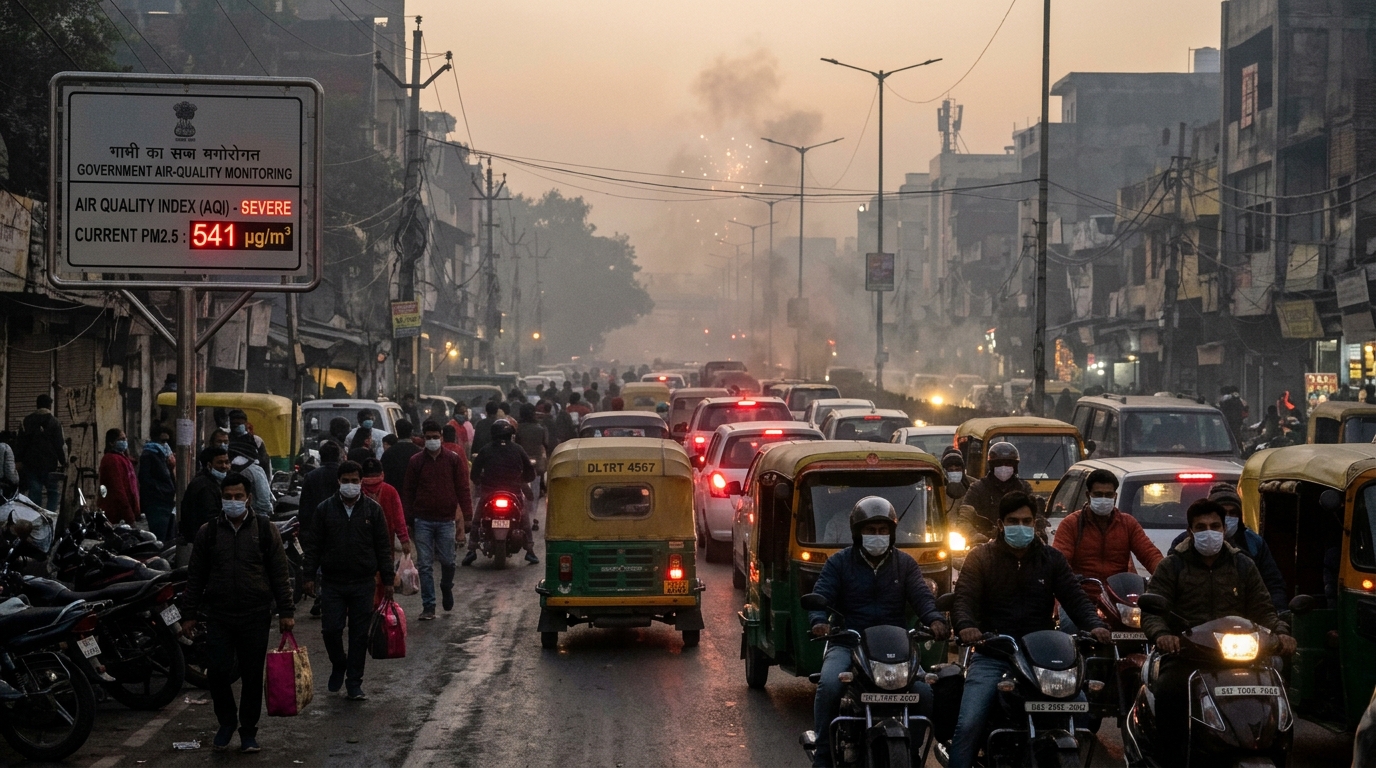
Environmental and climate headlines moved back into focus after new reports highlighted severe air pollution in Delhi and a separate methane problem revealed by satellites ahead of COP31 in Turkey.
According to Investing.com, Delhi was identified by a Swiss group as the world’s most polluted major city on the eve of Diwali. In a separate Investing.com report, satellite observations were said to reveal a landfill methane problem as COP31 approaches. While these are environmental stories first, they matter for markets because they can shape policy discussions around energy, waste management, emissions controls and industrial investment.
The pairing of those two reports is notable. One focuses on immediate air-quality stress in one of the world’s largest urban centers; the other points to a greenhouse gas issue that can be harder to detect without advanced monitoring. Together, they underscore how environmental data is increasingly influencing market narratives well beyond traditional climate-policy circles.
Why this matters for commodities and industry
Methane is especially important because it sits at the intersection of environmental policy and energy economics. Landfill emissions can intensify pressure for tighter regulation, improved monitoring and fresh infrastructure spending tied to waste, gas capture and municipal systems. Air-quality crises, meanwhile, can accelerate local policy responses affecting transport, fuel use and industrial activity.
According to Investing.com, the methane issue is entering sharper focus just as international attention turns to COP31. That timing could matter. Climate summits often amplify scrutiny of emissions sources, and satellite-based evidence can give policymakers and investors a more concrete basis for comparing commitments with observable outcomes.
The Delhi pollution headline adds another layer. Severe urban air pollution can affect everything from public-health spending to transportation restrictions and local operating conditions for businesses. Even when such measures are temporary, they can shape expectations for future regulation and investment priorities.
AI enters the environmental debate
A third Investing.com headline added a related angle: environmental groups are embracing AI even as they warn about data-center impacts. That tension is increasingly relevant for markets. AI tools may improve emissions detection, climate modeling and resource planning, but data-center expansion also raises concerns around electricity demand, land use and water consumption.
This creates a more complicated sustainability picture for investors and policymakers. Technologies that help monitor methane or forecast environmental stress may also depend on energy-intensive infrastructure. The result is a policy debate that is no longer simply about reducing emissions, but also about how monitoring and mitigation systems are built and powered.
Key market themes to watch
- Emissions monitoring: Satellite-based detection can increase accountability around landfill and industrial methane.
- Urban air quality: Severe pollution episodes can prompt transport and industrial restrictions.
- Infrastructure spending: Waste management, gas capture and environmental compliance may receive more attention.
- Power demand: AI-linked environmental tools may strengthen the case for more electricity-intensive digital infrastructure.
For commodities and industrial markets, the significance lies less in a single day’s price move and more in the policy and capital-spending signals these reports may reinforce. Better methane detection can alter the economics of compliance. More visible urban pollution can accelerate political demand for cleaner fuels, stricter standards or upgraded municipal systems.
None of today’s headlines alone establishes a direct market repricing. But together they show that environmental risk is becoming more measurable, more visible and harder for markets to ignore.
Neutral outlook: Investors will likely watch whether pollution and methane concerns translate into concrete policy steps, particularly around emissions monitoring, waste systems and energy use.
MarketPro reports are AI-assisted analyses of publicly reported market news. Not investment advice.