Egypt Rate Hike Puts MENA FX and Debt Back in Focus
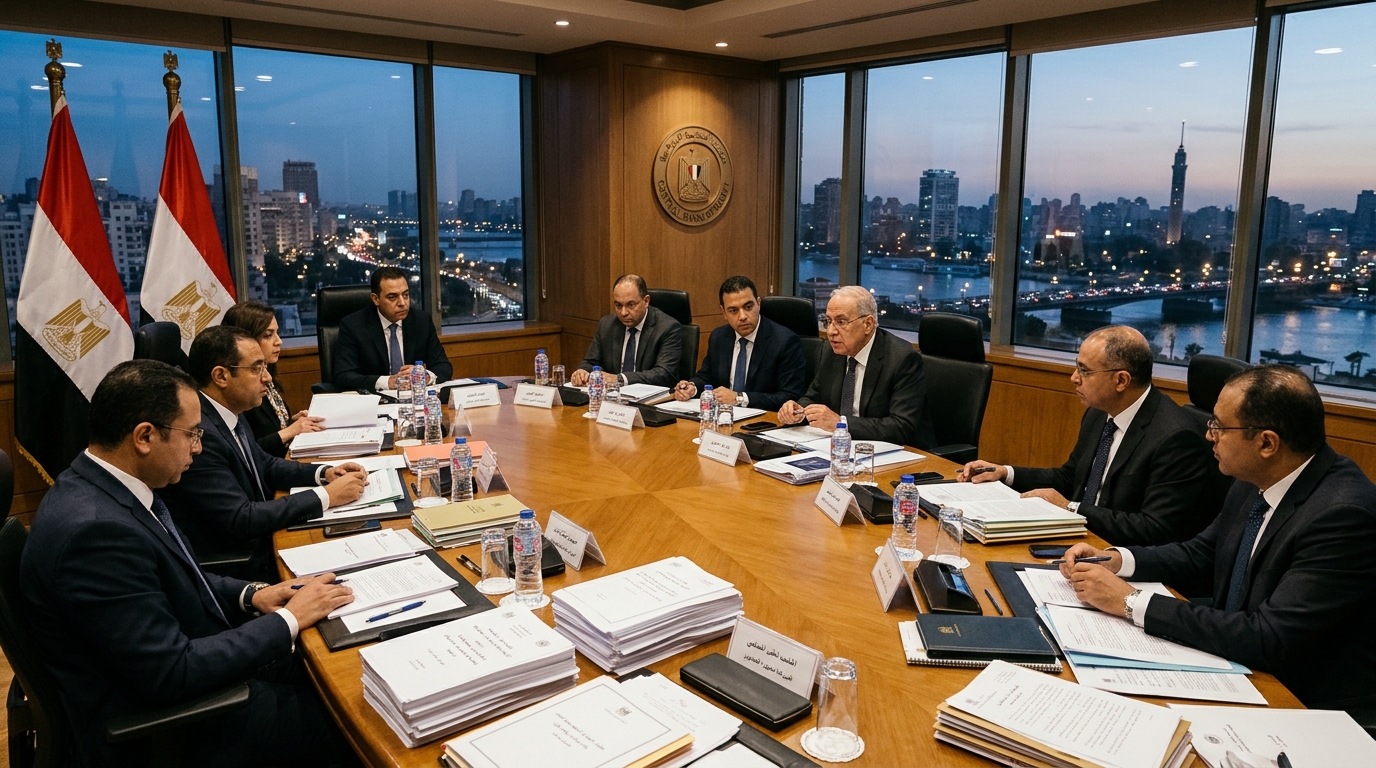
Egypt’s central bank raised key interest rates by 100 basis points, according to an Investing.com report, putting Middle East and North Africa currency markets back in focus at a time when investors remain highly sensitive to inflation, funding costs and exchange-rate stability.
Even without additional policy detail in the headline, the move matters for global markets because rate changes in large emerging economies can quickly ripple through foreign-exchange pricing, local debt markets and broader risk appetite. For readers following cross-asset transmission, Egypt is a useful case: when a central bank tightens policy, the immediate market questions tend to center on whether the step can support the currency, restrain inflation pressures and influence demand for domestic bonds.
Why the move matters beyond Egypt
Higher policy rates typically raise the return available on local-currency assets, at least in nominal terms. That can help a currency by making domestic deposits and government debt relatively more attractive. At the same time, tighter policy can increase borrowing costs across the economy, affecting growth, corporate financing and sovereign debt-service expectations.
For international investors, that creates a familiar balancing act. A rate increase may be read as a sign that policymakers are acting to defend price stability and preserve confidence. But it can also signal that inflation or currency pressures remain difficult enough to require further tightening. With only the reported headline to work from, the clearest takeaway is that Egyptian policymakers chose additional restraint rather than standing pat.
FX, inflation and bond-market transmission
In foreign exchange, the first issue is whether higher rates improve confidence in the Egyptian pound. The answer often depends on whether markets view the move as credible and sufficient relative to inflation trends. If investors believe policy is moving decisively, the currency can stabilize or face less downward pressure. If not, traders may treat the hike as only a partial response.
In fixed income, a rate increase can feed into government bond yields and funding costs. Short-dated yields are especially sensitive because they are closely tied to policy expectations. Longer-dated debt may react to a wider mix of factors, including inflation credibility, fiscal conditions and demand from domestic banks and offshore investors.
That makes Egypt relevant to a broader emerging-markets audience. Rate decisions in one large frontier or emerging economy can influence how investors think about the whole asset class, especially when global capital is already sorting countries by policy credibility, inflation control and external financing resilience.
Regional and global context
The timing also matters. Across global markets, investors have been weighing strong U.S. growth data, persistent inflation concerns and shifting expectations for monetary policy. Those forces affect the dollar, Treasury yields and global financing conditions. When those external pressures remain elevated, emerging-market central banks often face narrower room to maneuver.
That is why Egypt’s rate decision fits a wider market narrative. A central bank in a major regional economy is still using rates actively, underscoring that disinflation is not a finished story everywhere and that FX stability remains central to policymaking. For MENA assets, it is another reminder that domestic policy choices still matter even when global macro themes dominate headlines.
Key channels investors watch after a rate hike
- Currency reaction: whether the pound shows signs of stabilization.
- Short-end yields: how quickly money-market and short-maturity debt reprice.
- Inflation expectations: whether the move strengthens confidence in disinflation.
- Risk sentiment: whether investors see the decision as proactive or pressured.
According to Investing.com, the central bank’s action was a 100-basis-point increase. Even without fuller official language in the wire headline, that alone is enough to put Egypt back on the radar for FX and rates-focused investors looking at policy transmission across emerging markets.
Neutral outlook: The next market test will be whether the rate increase is seen as enough to support currency stability and inflation credibility, or whether investors begin to price the possibility of further policy tightening.
MarketPro reports are AI-assisted analyses of publicly reported market news. Not investment advice.