Pop-Up PAC Money Surge Raises 2026 Policy Stakes
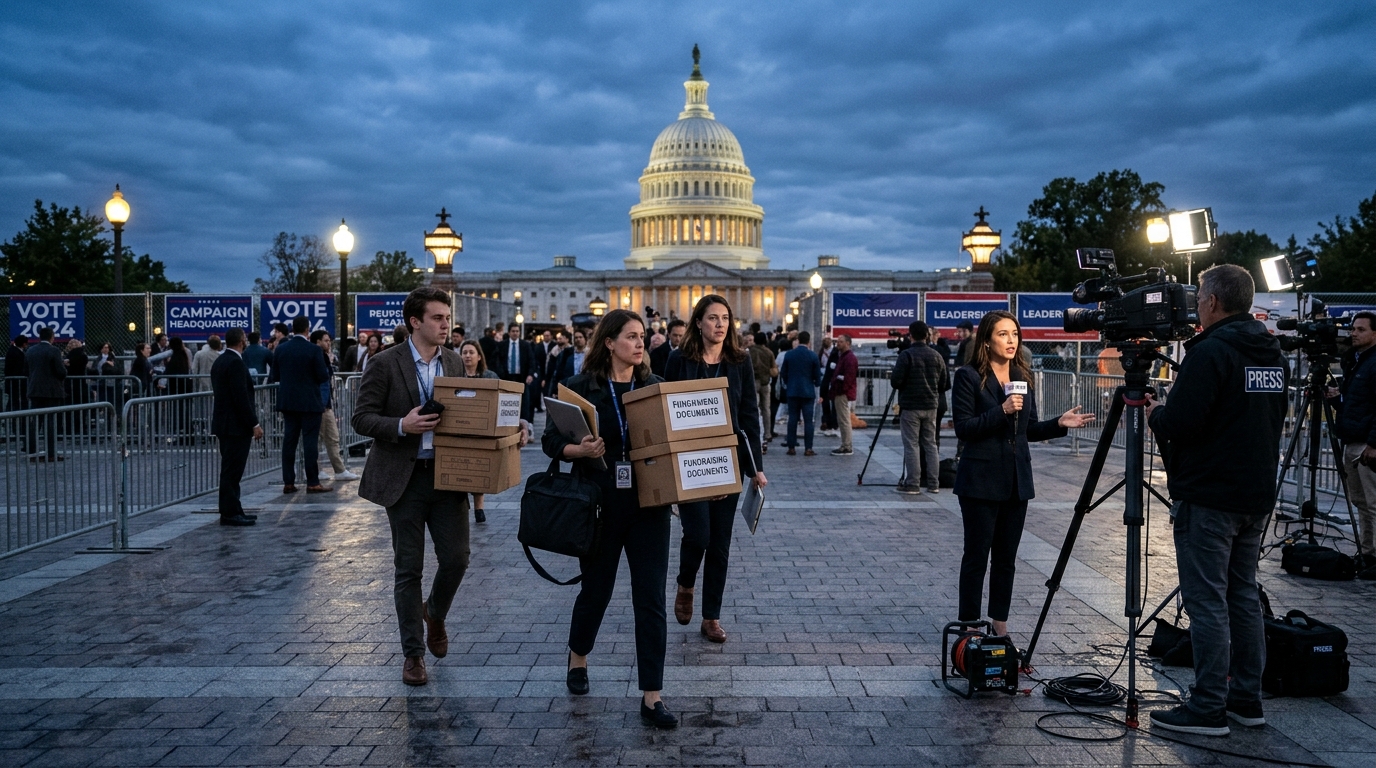
So-called pop-up super PACs are pouring unprecedented sums into the 2026 U.S. midterm races, a development that may look political on the surface but has clear implications for markets watching fiscal policy, regulation and the future direction of the dollar.
According to CNBC, these temporary political committees have poured $637 million into the 2026 contests. While the headline is rooted in campaign finance, the scale of that spending matters for investors because it signals an intensifying fight over congressional control just as markets remain highly sensitive to tax, spending and regulatory outcomes.
Why campaign money matters to markets
Election cycles influence markets most when they raise uncertainty around policy. Large and fast-moving flows into political organizations often suggest that major donors, advocacy groups and industry-backed interests see meaningful stakes in the next legislative map. That can translate into louder debates over government spending, energy policy, health care rules, antitrust enforcement, technology oversight and trade positioning.
For currency markets in particular, U.S. political developments matter when they alter expectations around deficits, Treasury supply, growth policy and confidence in institutional stability. A heavily financed midterm cycle does not by itself move the dollar, but it can increase the probability that fiscal questions become more central to FX pricing over time.
Recent reader interest on MarketPro has favored macro stories that connect politics to cross-asset risk. This headline fits that pattern because the importance lies less in campaign mechanics and more in what the fundraising surge implies: the policy backdrop into 2027 may become more contested than markets previously expected.
From campaign war chests to policy volatility
According to CNBC, the rise of “pop-up” super PACs reflects how quickly money can be assembled around specific races or political objectives. For markets, that means narratives can shift quickly as competitive districts become focal points for wider national policy arguments.
That matters because midterms often shape the governability of the second half of a presidential term. If campaign spending accelerates around issues such as taxes, industrial policy, energy costs or health-care funding, those themes can begin feeding into sector rotation and broader macro expectations long before any vote takes place.
Investors frequently focus on the presidential cycle, but congressional outcomes often prove just as important for actual legislation. A more expensive and aggressive midterm contest raises the odds that markets will need to price a wider range of fiscal and regulatory scenarios earlier in the cycle.
Why the dollar angle deserves attention
The foreign-exchange link is indirect but real. The dollar is sensitive not only to Federal Reserve expectations, but also to perceptions of U.S. fiscal credibility, debt dynamics and the durability of policy frameworks. If the run-up to the 2026 midterms sharpens debates over spending, deficits or economic intervention, that could gradually influence how global investors view U.S. assets.
Even without a specific FX headline from another source, the market relevance here comes from the established relationship between U.S. political uncertainty and currency positioning. A more expensive campaign environment can be an early warning that policy divergence inside Washington is deepening rather than narrowing.
For global investors, that may eventually matter for Treasury demand, relative growth assumptions and broader risk sentiment. Those are all channels through which domestic politics can feed into the dollar and other major asset classes.
What to watch next
- Fiscal messaging: Campaign spending often rises fastest where tax and budget issues resonate most strongly.
- Sector exposure: Energy, health care, defense and technology could see greater market sensitivity if they become central campaign themes.
- Congressional control risk: The larger the fundraising battle, the more likely markets are to model multiple legislative outcomes.
- Dollar implications: FX markets may pay more attention if campaign narratives start to affect views on deficits, debt issuance or policy stability.
Neutral outlook: The fundraising surge does not yet change the economic outlook on its own, but it is an early sign that U.S. policy risk could become a more active market driver as the 2026 cycle develops.
MarketPro reports are AI-assisted analyses of publicly reported market news. Not investment advice.