FAA flight halt spotlights U.S. infrastructure risk
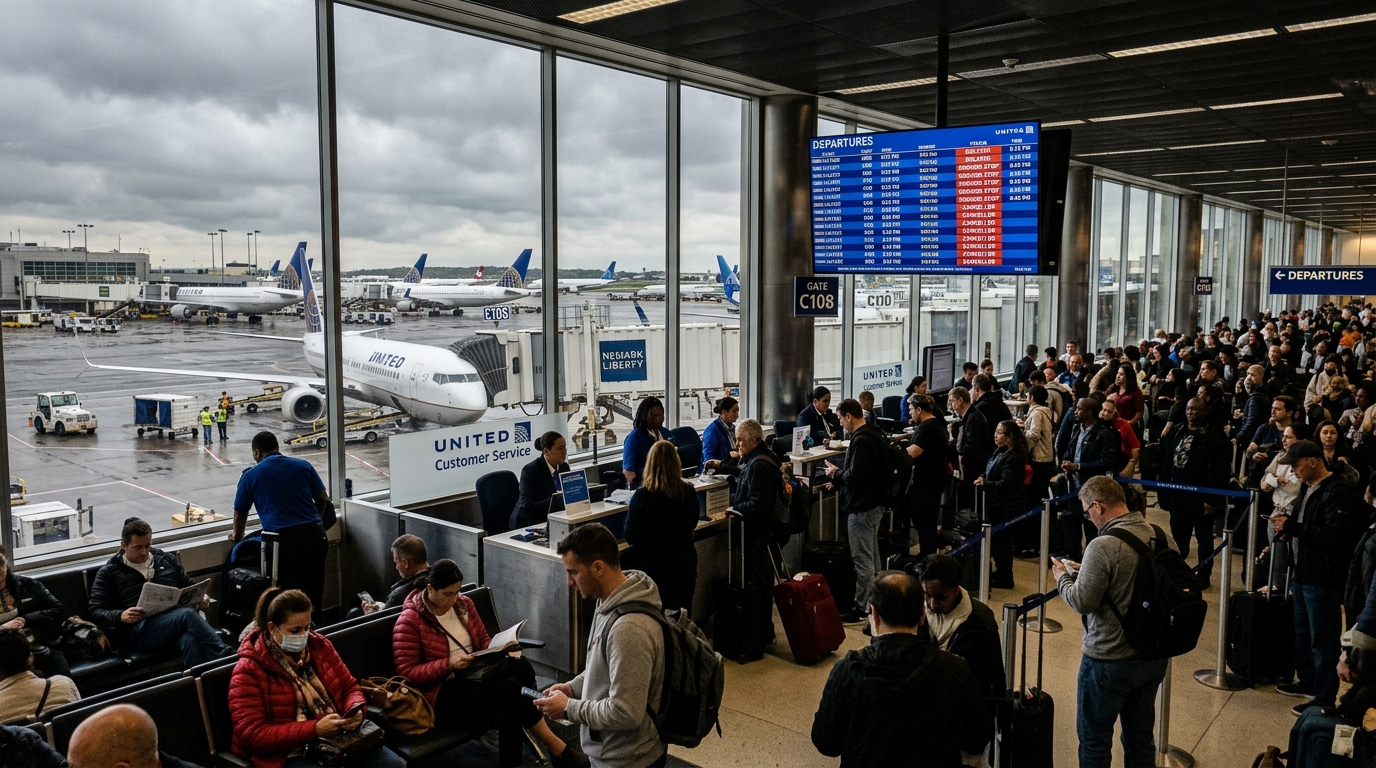
A temporary halt to flights affecting Newark, Philadelphia and New York-area airports put fresh attention on a familiar market concern: how vulnerable critical U.S. infrastructure remains to technical failures.
According to CNBC and Investing.com reports, the Federal Aviation Administration halted some flights on the U.S. East Coast because of an equipment or communication problem. While the headlines did not specify the full duration or operational impact, the disruption was significant enough to affect one of the country’s busiest air corridors.
Why markets pay attention to aviation disruptions
Air traffic interruptions are not only a travel story. They can also matter for the broader economy because the Northeast corridor plays an outsized role in business travel, cargo movements, corporate scheduling and airport-linked consumer spending.
When airports serving the New York metropolitan area and Philadelphia face even short-lived disruptions, the immediate effect can spread through airline operations nationwide. Aircraft rotations, crew scheduling and connecting flights can all be affected. For investors and economists, that makes such incidents relevant beyond the transportation sector.
The latest FAA action is also a reminder that markets remain sensitive to signs of strain in physical and digital infrastructure. In an economy that depends on real-time logistics and communication systems, equipment outages can quickly become a broader operational issue.
What was confirmed
The verified facts from the wire services are limited but important:
- CNBC reported that the FAA halted flights to Newark, Philadelphia and New York because of an equipment problem.
- Investing.com separately reported that the FAA halted some U.S. East Coast flights due to communication issues.
Taken together, those reports support the conclusion that a technical problem inside the aviation system, rather than weather or labor action, triggered the disruption.
Potential sectors affected
Airlines and airports
Airlines are usually the first companies investors associate with FAA-related disruptions. Delays can raise operating costs, complicate customer handling and reduce on-time performance metrics. Airports and concession operators can also feel short-term effects if passenger flow is interrupted.
Business travel
The New York region remains central to finance, legal services, media and international business. Any stoppage affecting that corridor can interfere with meetings, conferences and time-sensitive travel linked to corporate activity.
Freight and logistics
Although passenger headlines dominate, airport disruptions can also complicate air cargo schedules, especially in dense metropolitan areas with integrated logistics networks.
A broader infrastructure theme
For market participants, the incident fits into a wider theme that has surfaced across sectors: aging systems and technical bottlenecks can create economic friction even without a major external shock. Aviation has repeatedly served as a visible example because service interruptions are immediately public and often affect thousands of travelers at once.
That does not automatically make this a long-lasting market event. Much depends on whether the issue is resolved quickly and whether airlines can normalize operations without substantial spillover. Still, even temporary halts can reinforce concerns about resilience in essential U.S. networks.
Why this matters beyond one day of delays
Short disruptions are often absorbed by the market, but repeated failures can influence how investors think about capital spending, federal oversight and operational risk. Transportation systems are a core input for commerce, tourism and labor mobility. Any sign of instability can therefore become part of a larger economic conversation.
At a minimum, the episode highlights the degree to which highly concentrated transport hubs remain critical to the national economy. Problems in the Northeast airspace system do not stay local for long.
What to watch next
Traders and analysts will likely watch for any FAA follow-up on the cause of the outage, the pace of flight normalization and whether airlines disclose a meaningful operational or financial impact. A neutral outlook is that the event may remain a contained infrastructure incident, but it keeps attention on the reliability of high-value U.S. transport systems.
MarketPro reports are AI-assisted analyses of publicly reported market news. Not investment advice.