Fed inflation gauge puts markets on alert before next rate call
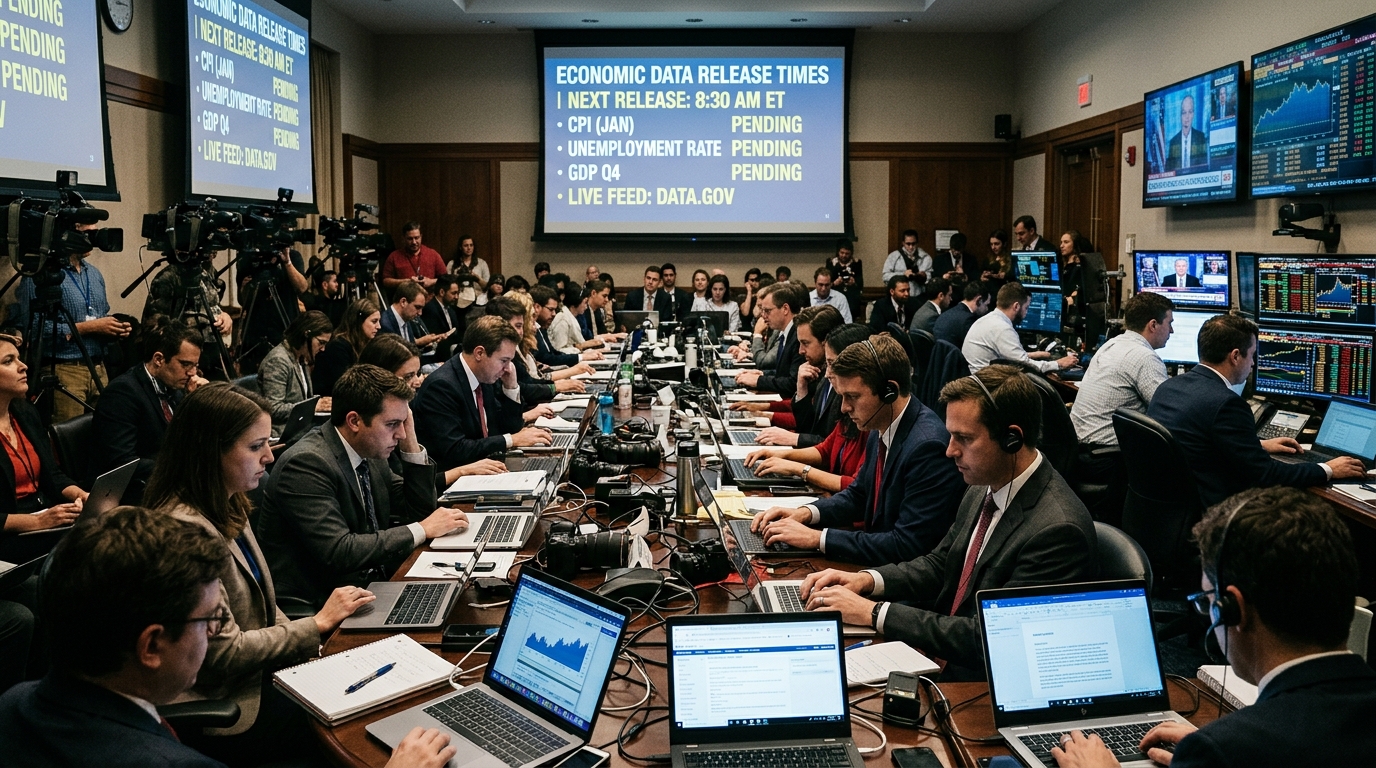
Markets are heading into Wednesday’s U.S. inflation release with unusual focus on the Federal Reserve’s preferred price gauge, a report that could shape expectations for the next phase of monetary policy and ripple across bonds, equities and the dollar.
According to a CNBC report, the Fed’s main inflation measure is due Wednesday, putting fresh attention on whether price pressures are easing enough to support a more dovish policy path. That matters because the personal consumption expenditures index, or PCE, is the inflation measure the central bank has often emphasized most directly when assessing progress toward its 2% target.
The timing is important. Investors have already been navigating a market environment defined by sensitivity to inflation surprises, changing rate expectations and questions about the durability of U.S. growth. Even when the absolute move in inflation is modest, a result that is hotter or cooler than expected can quickly alter pricing across asset classes.
Why the PCE report matters now
The Fed does not react to one data point alone, but PCE carries weight because it is designed to capture a broad picture of consumer price changes and adjusts for shifts in spending behavior. For that reason, markets often treat it as one of the clearest signals of whether inflation is moving in the direction policymakers want to see.
If the report shows persistent price pressure, investors could conclude that the Fed may need to keep policy restrictive for longer. That would tend to support Treasury yields and the U.S. dollar while potentially pressuring rate-sensitive parts of the stock market. If the data are softer, the opposite logic may apply, with markets more willing to price in a gentler policy outlook.
This is not only a bond-market story. Currency markets also react sharply to inflation data because the outlook for U.S. rates remains a key driver of dollar strength versus major peers. A meaningful surprise in PCE can therefore affect global funding conditions and broader risk appetite.
Cross-asset implications investors are watching
Wednesday’s release comes at a time when market participants are looking for confirmation rather than just noise. Several questions are in focus:
- Rates: Will inflation progress be sufficient to reinforce expectations for a less restrictive policy path?
- Equities: Can lower inflation help support valuation-heavy sectors that benefit from declining discount-rate pressure?
- Dollar: Will the currency retain support if inflation stays firm, or soften if disinflation broadens?
- Risk sentiment: Could a benign reading improve appetite for cyclical and global assets?
Because the inflation report lands in a market already highly reactive to macro headlines, even a consensus outcome may not end the debate. Investors will likely focus not just on the headline figure, but also on any signs of stickiness in core components and whether the underlying trend appears broad-based.
Why markets may react beyond the headline number
One reason this release matters is that markets increasingly distinguish between one-off price moves and more entrenched inflation. A seemingly moderate report can still unsettle investors if details suggest that services inflation or other core areas remain elevated. Conversely, a stable headline may be welcomed if underlying categories point to further cooling.
According to CNBC, the release is expected to be a central event for markets this week. That reflects how tightly the near-term macro narrative is tied to inflation confirmation. After several periods in which inflation data drove abrupt repricing, investors are wary of assuming a straight path toward policy easing.
The Fed’s communication strategy also means incoming data remain central. Policymakers have repeatedly indicated that decisions are data dependent, so reports such as PCE carry added importance when the market is trying to gauge the threshold for future action.
What to watch after the release
The immediate response will likely show up in Treasury yields, fed-funds pricing and the dollar. Equity futures may also react quickly, especially in sectors most exposed to interest-rate expectations. But the second-day interpretation may matter more than the first move, particularly if the report is mixed.
Investors should also watch whether the data reinforce or challenge the broader narrative that inflation is gradually moderating without a sharp deterioration in growth. That balance has been central to market resilience.
A softer inflation print could help stabilize sentiment and support the case that policy is moving closer to a turning point. A firmer reading, by contrast, could revive concerns that the final stage of disinflation will prove slow and uneven.
Neutral outlook: Wednesday’s PCE release is unlikely to settle the inflation debate on its own, but according to CNBC it is set to be a key test for the U.S. rate outlook and for market pricing across asset classes.
MarketPro reports are AI-assisted analyses of publicly reported market news. Not investment advice.