Fed Rate-Hike Talk Returns as Officials Signal Inflation Worry
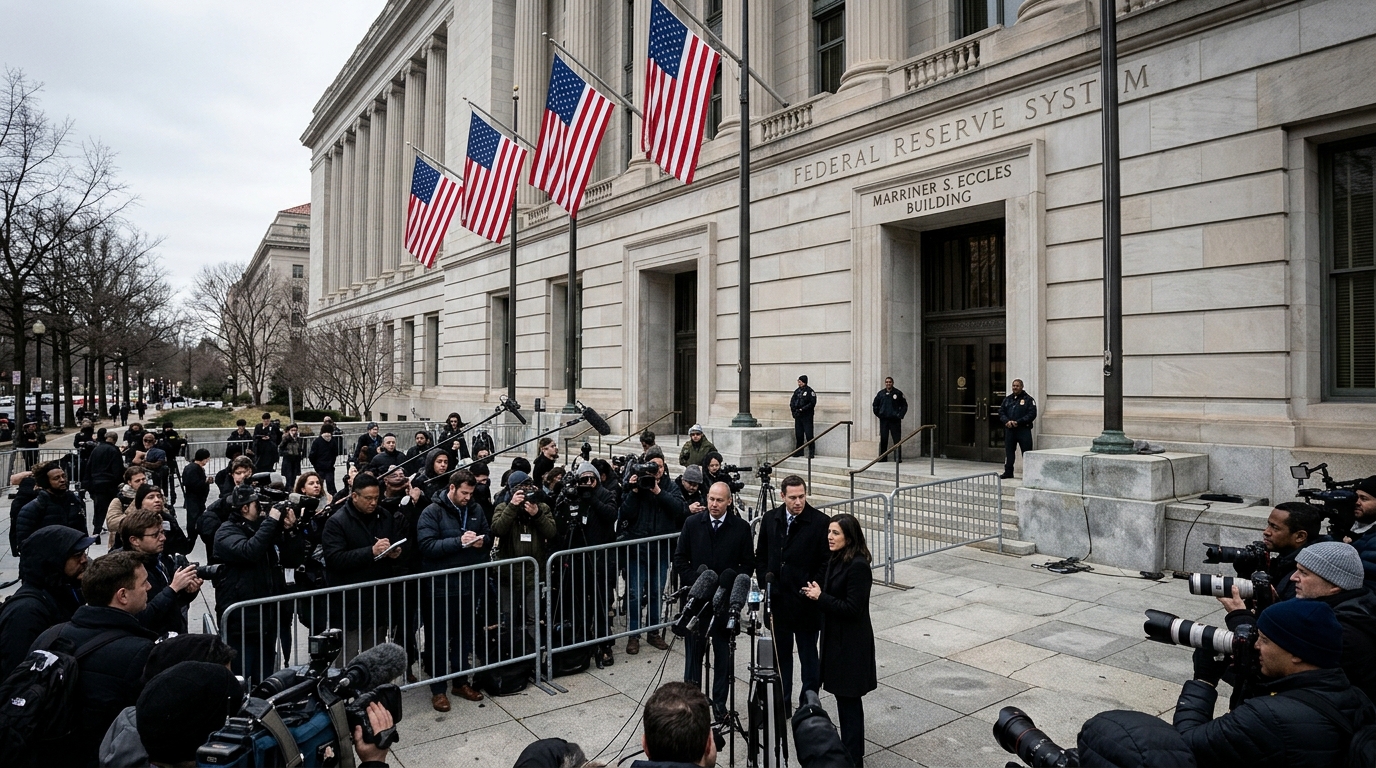
Federal Reserve rate policy moved back to the center of market attention after CNBC reported that Fed officials are already saying they may need to resume hiking interest rates. The shift matters well beyond Wall Street: if policymakers are preparing markets for a higher policy path, the effects can spread quickly through Treasury yields, mortgages, credit cards, business lending and equity valuations.
The headline stands out because it suggests the market cannot assume the tightening cycle is fully over. After a period when investors were focused on whether central banks had finished raising rates, fresh hawkish commentary can reprice expectations across asset classes. Even without a new policy decision, communication from Fed officials often influences financial conditions by changing how traders view the likely path of short-term rates.
Why the message matters for markets
When Fed officials talk about the need to hike again, investors typically reassess the balance between growth and inflation risks. Higher expected policy rates tend to push up government bond yields, especially at the short end of the curve, while also raising the discount rate used to value stocks. That can be particularly important for growth-sensitive sectors whose valuations depend heavily on future earnings.
The implications extend into household finances as well. Higher rate expectations can feed into borrowing costs for auto loans, credit cards and some business financing. That is especially relevant as MarketWatch separately reported that many U.S. workers are finding take-home pay is not keeping up with inflation, leaving wallets “stretched thinner and thinner.” Taken together, the two reports point to a familiar but difficult macro combination: persistent price pressure and tighter financial conditions.
A market already watching inflation closely
The renewed hawkish tone also arrives as markets remain sensitive to any signal that inflation is proving harder to tame than expected. If officials believe price pressures are not easing fast enough, or that demand remains too firm, they may choose to keep policy restrictive for longer or even tighten further.
That prospect matters because market pricing often moves ahead of actual meetings. Investors do not need an immediate rate hike to react; they only need to believe the odds of one are increasing. In practice, that can affect everything from the dollar to bank funding conditions to corporate issuance plans.
The next round of economic releases could therefore become more consequential than usual. Investing.com noted that Manufacturing PMI and ISM Manufacturing PMI data are due Monday. While those indicators are only part of the broader picture, any evidence of resilience in activity could reinforce the case made by hawkish Fed officials that policy may need to stay tighter for longer.
Pressure points for stocks and consumers
For equities, the biggest issue is whether higher rates remain a valuation headwind. Expensive parts of the market have tended to be most sensitive when yields rise. More broadly, if financing costs stay elevated, investors may focus more heavily on balance-sheet strength, pricing power and near-term cash flow.
For consumers, the concern is more direct. If wage growth fails to outpace inflation, and borrowing rates remain high or move higher, household budgets can come under added strain. That creates a potential feedback loop for the wider economy: tighter policy slows demand, but if inflation remains sticky, relief may not come quickly.
Key channels to watch
- Treasury yields: Rate expectations often show up quickly in short-dated government debt.
- Consumer borrowing costs: Credit cards, auto loans and other financing can remain expensive.
- Equity valuations: Higher discount rates can weigh on long-duration growth stocks.
- Economic data sensitivity: Manufacturing and labor data may draw sharper market reactions.
According to the CNBC report, the core takeaway is straightforward: some Fed officials are not ready to rule out additional tightening. In a market environment already balancing growth concerns, inflation risks and elevated valuations, that message is significant in itself.
Neutral outlook: Markets are likely to stay highly data-dependent in the near term, with Fed communication, inflation signals and incoming activity data shaping expectations for rates and financial conditions.
MarketPro reports are AI-assisted analyses of publicly reported market news. Not investment advice.