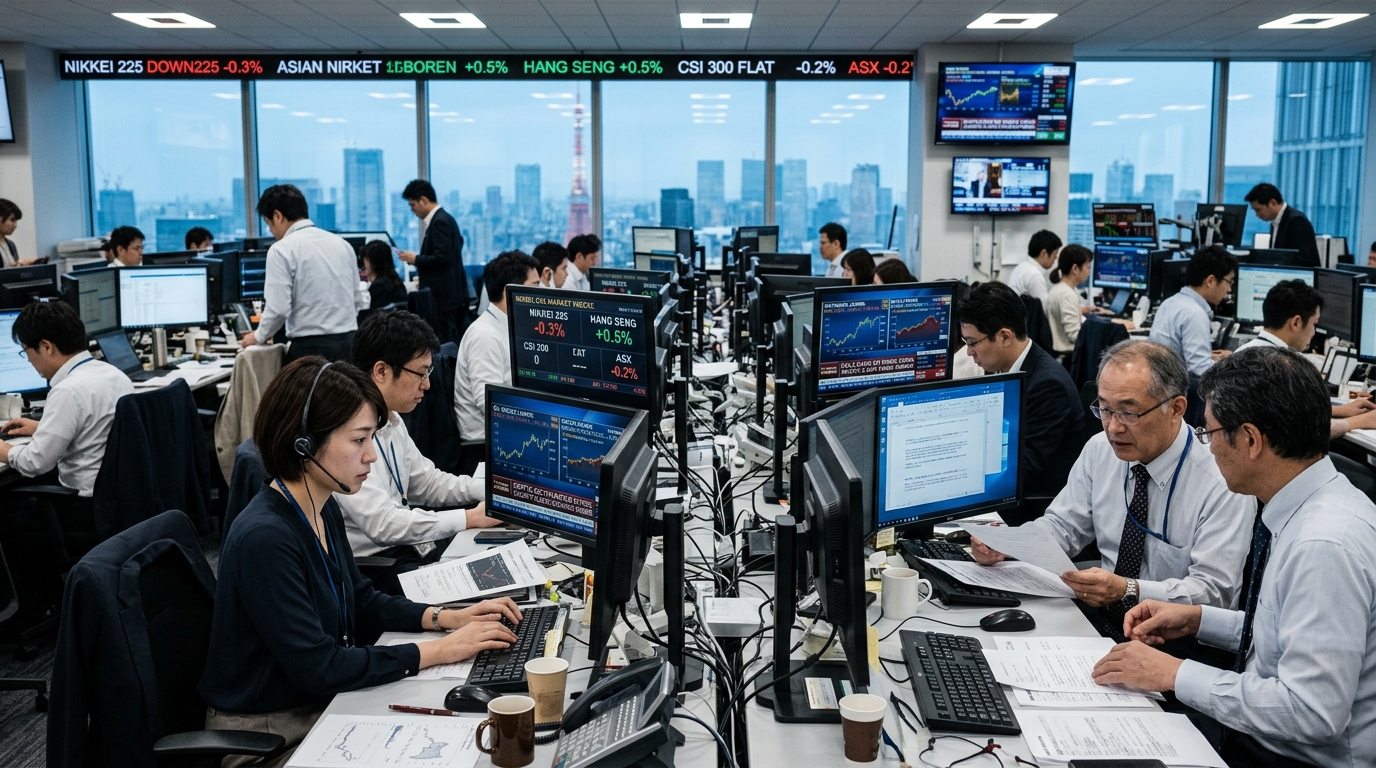
Global markets eye dollar, oil and Asia as risks shift
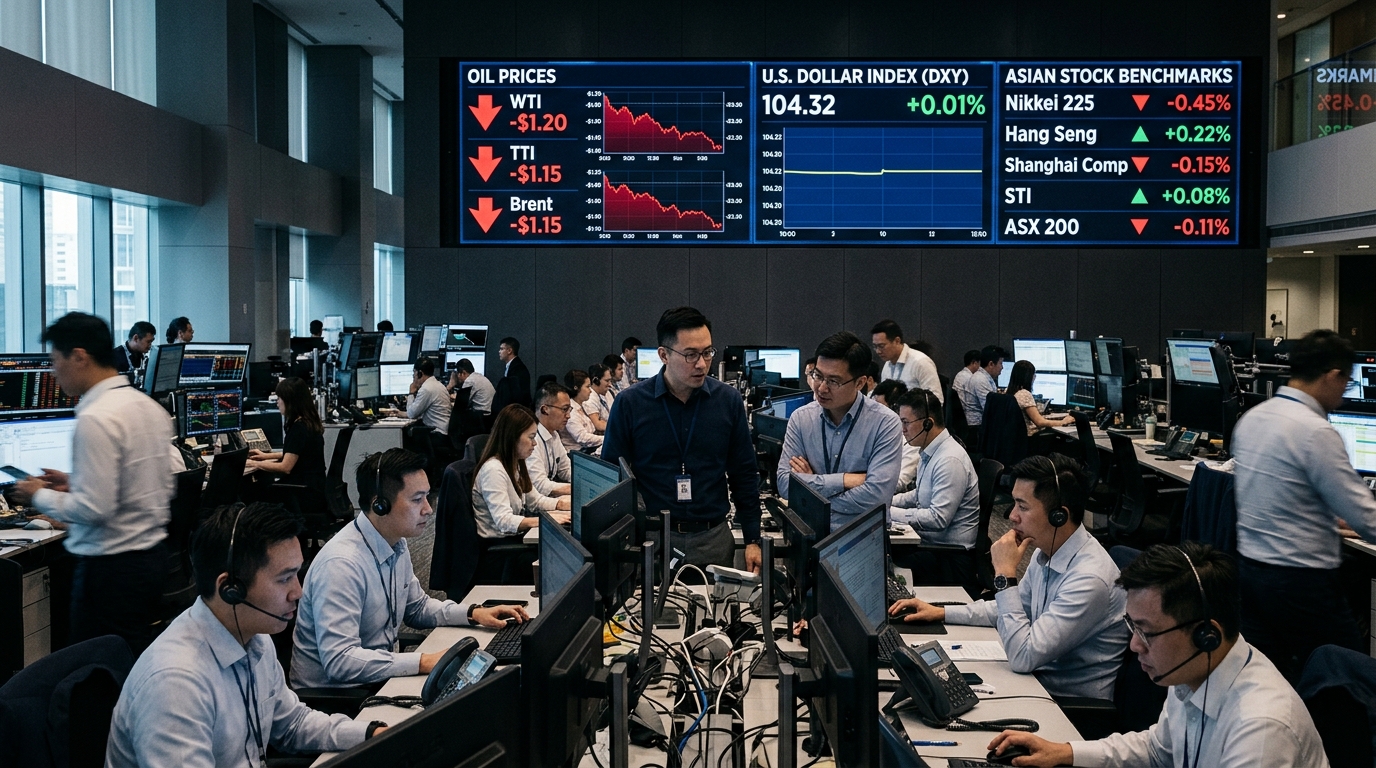
Global markets opened the day with a familiar but still important mix: softer oil prices, a firm U.S. dollar and cautious trading across Asia. Taken together, the moves suggest investors are still balancing geopolitical headlines against inflation risk and the next wave of corporate results.
According to CNBC, oil fell after former President Donald Trump declared an “energy ceasefire” between Russia and Ukraine, though a separate CNBC report said Ukrainian President Volodymyr Zelenskyy was still waiting for details. That gap between headline and implementation appeared to matter for traders: the initial reaction was lower crude prices, but not a broad collapse in risk premiums.
At the same time, Investing.com reported that the dollar was holding near an 18-month high as markets tracked both Middle East conflict risks and upcoming U.S. inflation data. Another Investing.com report said Asian share markets were choppy as earnings approached and oil slipped, reinforcing the picture of a market that is not committing fully to either a relief rally or a broader defensive move.
Why the cross-asset mix matters
When oil falls while the dollar remains firm, investors are often trying to sort out which force is dominant: easing supply concerns, tighter financial conditions, or a broader slowdown signal. This time, the answer appears mixed.
On one hand, lower oil can reduce some inflation pressure and ease strain on energy-importing economies. On the other, a strong dollar can tighten global financial conditions, especially for emerging markets and import-heavy economies. That tension helps explain why Asian equities, according to Investing.com, were trading unevenly rather than decisively higher.
There was also a fresh foreign-exchange angle beyond the broad dollar move. Investing.com reported that the Indian rupee surged after the Reserve Bank of India unveiled measures to support the currency. That stands out because it shows policymakers are still actively managing currency stability in a world where the dollar remains strong and geopolitical risk can quickly alter capital flows.
Asia’s message: cautious, not panicked
The day’s Asia headlines point to selective pressure rather than region-wide stress. Investing.com said China’s home car sales downturn continued even as exports retained momentum, a reminder that domestic demand and external demand are still telling different stories in the world’s second-largest economy.
Semiconductor shares also came under pressure. Separate Investing.com reports said Samsung and SK Hynix shares fell as China’s CXMT flagged progress in memory development, while SK Hynix tested technical support after a chart breakdown. Those are company- and sector-specific developments, but they matter because chip stocks often serve as a barometer for both global trade expectations and AI-linked market leadership.
The result is a regional backdrop where traders are navigating several overlapping themes:
- Energy relief from softer oil prices
- Financial tightening from a firm U.S. dollar
- Domestic softness in parts of China’s economy
- Earnings uncertainty ahead of key results
- Technology competition in memory chips
What investors seem to be waiting for
Two near-term questions appear to be driving the hesitation.
First, markets still need clarity on whether the Russia-Ukraine “energy ceasefire” language leads to a verifiable change in supply expectations. CNBC’s paired reports — one on the oil reaction and one noting that Zelenskyy was awaiting details — suggest traders do not yet see the headline as fully settled fact in market terms.
Second, the dollar’s resilience shows that inflation and rate expectations remain central. If U.S. data keep Treasury yields elevated or reinforce the case for tight policy, the benefit of lower oil could be offset by tougher financing conditions worldwide.
This is one reason broad equity benchmarks in Asia appeared hesitant even as crude retreated. Lower energy prices alone may not be enough to lift risk assets if the currency and rate backdrop stays restrictive.
Key market signals to watch
- Oil follow-through: whether crude extends losses or rebounds as ceasefire details emerge
- Dollar direction: whether the greenback holds near recent highs after inflation data
- Asian earnings tone: whether upcoming results validate current valuations
- China demand indicators: whether export strength can keep offsetting domestic weakness
- EM FX response: whether currencies like the rupee stabilize after policy support
For now, the global message is one of recalibration rather than resolution. Oil has softened, but geopolitical risk has not disappeared. The dollar remains firm, but not disorderly. Asian markets are signaling caution, not capitulation.
Neutral outlook: The next move likely depends on whether geopolitical headlines become concrete policy developments and whether inflation data change the market’s view of dollar strength and financial conditions.
MarketPro reports are AI-assisted analyses of publicly reported market news. Not investment advice.