Intel’s 16% slide puts PC demand back at center stage
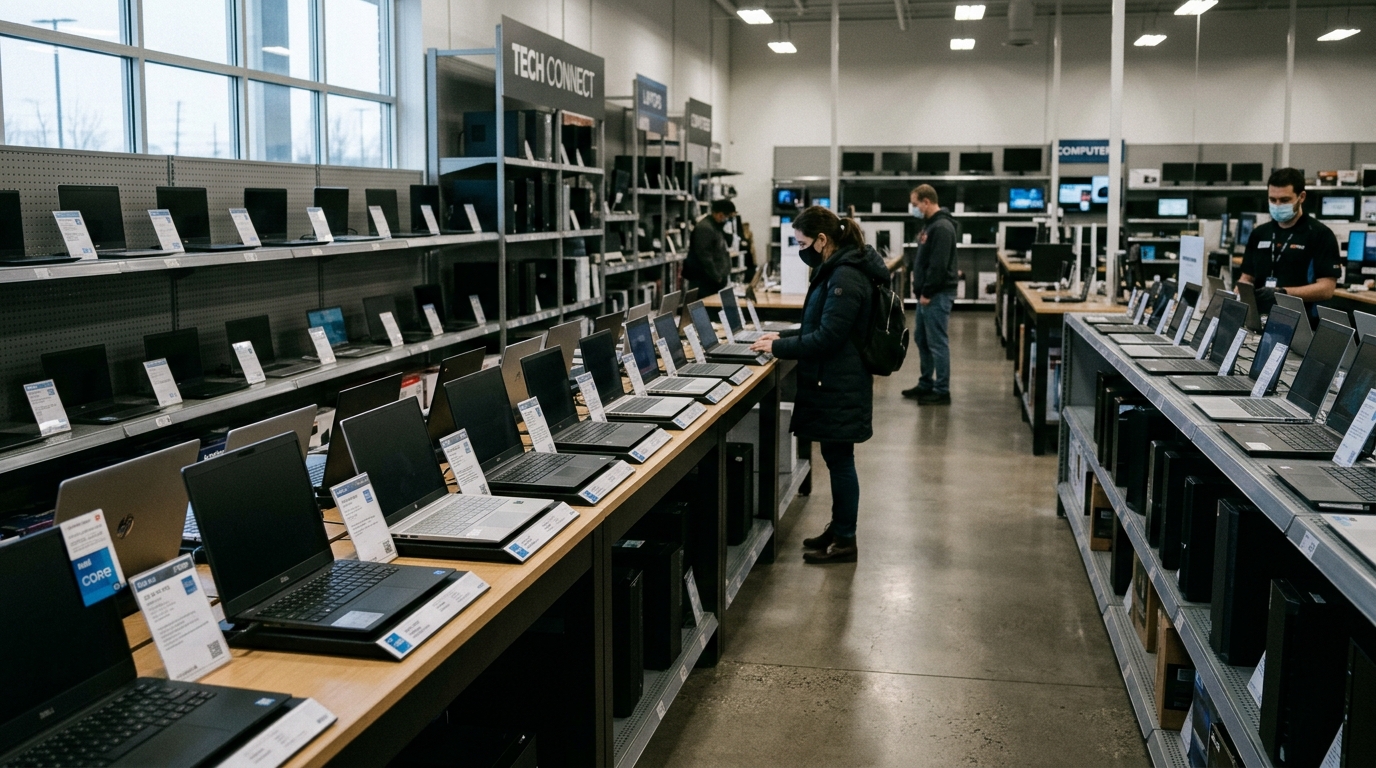
Intel shares fell sharply after the company pointed to a slowdown in personal-computer demand, a reaction that put one of the market’s oldest semiconductor themes back in focus: whether the PC recovery is losing momentum again.
According to a CNBC report, Intel stock plunged 16% after the chipmaker issued weak guidance and blamed softer PC conditions. The move stood out not just for its size, but for what it may signal for a broader hardware chain that stretches from processors and memory to device makers and enterprise spending.
Why the market reacted so strongly
Semiconductor stocks often trade on expectations for future demand rather than current-quarter results alone. When a major chip company links weak guidance directly to PC softness, investors tend to reassess a wider group of assumptions at once: replacement cycles, inventory normalization, corporate IT budgets and the durability of consumer electronics demand.
That helps explain why a negative earnings reaction in a single stock can ripple across the sector. Intel remains closely associated with the PC ecosystem, so its commentary carries weight even in a market increasingly dominated by AI-related narratives.
The significance of the selloff also lies in contrast. While some parts of the semiconductor market have been buoyed by demand tied to data centers and artificial intelligence, Intel’s update pulled attention back toward more traditional end markets where growth has been less reliable.
PC weakness matters beyond one company
The PC market is important because it connects several corners of global markets. Slower demand can affect:
- Chipmakers that supply processors and supporting components
- Hardware manufacturers selling laptops, desktops and workstations
- Memory and storage suppliers tied to unit shipments
- Enterprise technology spending if corporate refresh cycles are delayed
Investors have been watching for evidence that the post-pandemic PC adjustment was stabilizing. Intel’s latest warning suggests that confidence in that recovery remains fragile.
For markets, this matters because semiconductors sit near the intersection of growth expectations, manufacturing activity and capital spending. A softer outlook from Intel can therefore influence sentiment well beyond the stock itself, especially when investors are already separating AI winners from companies more exposed to slower-moving legacy segments.
A tougher backdrop for non-AI chip stories
The market backdrop has become less forgiving for companies that cannot clearly tie their growth outlook to AI infrastructure or other high-demand categories. Intel’s guidance, as described by CNBC, reinforces that divide.
In recent months, investors have shown a willingness to reward companies with visible exposure to data-center acceleration, while punishing businesses seen as tied to weaker consumer or enterprise device demand. Intel’s decline fits that pattern.
That does not automatically mean all PC-linked names face the same pressure, but it does raise the bar for management teams across the sector. Investors are likely to look more closely at inventory trends, pricing discipline and whether any hoped-for device refresh is actually materializing.
What investors will watch next
After a move of this size, attention will likely shift from the headline stock drop to the details behind demand. Key questions include whether the weakness is temporary, whether it reflects regional softness, and whether enterprise customers are delaying purchases rather than cancelling them outright.
Investors may also compare Intel’s commentary with upcoming updates from other semiconductor and PC-related companies to see whether the slowdown is isolated or more broadly shared. Without that wider confirmation, the market may remain cautious but undecided on the full sector read-through.
For now, the immediate message is straightforward: Intel’s outlook has revived concerns that the PC market remains a drag at a time when investors have been looking for more stable support from traditional chip demand.
Neutral outlook: The sharp selloff underscores how sensitive semiconductor valuations remain to end-market demand signals. The next test for the sector will be whether peers confirm Intel’s warning or show greater resilience.
MarketPro reports are AI-assisted analyses of publicly reported market news. Not investment advice.