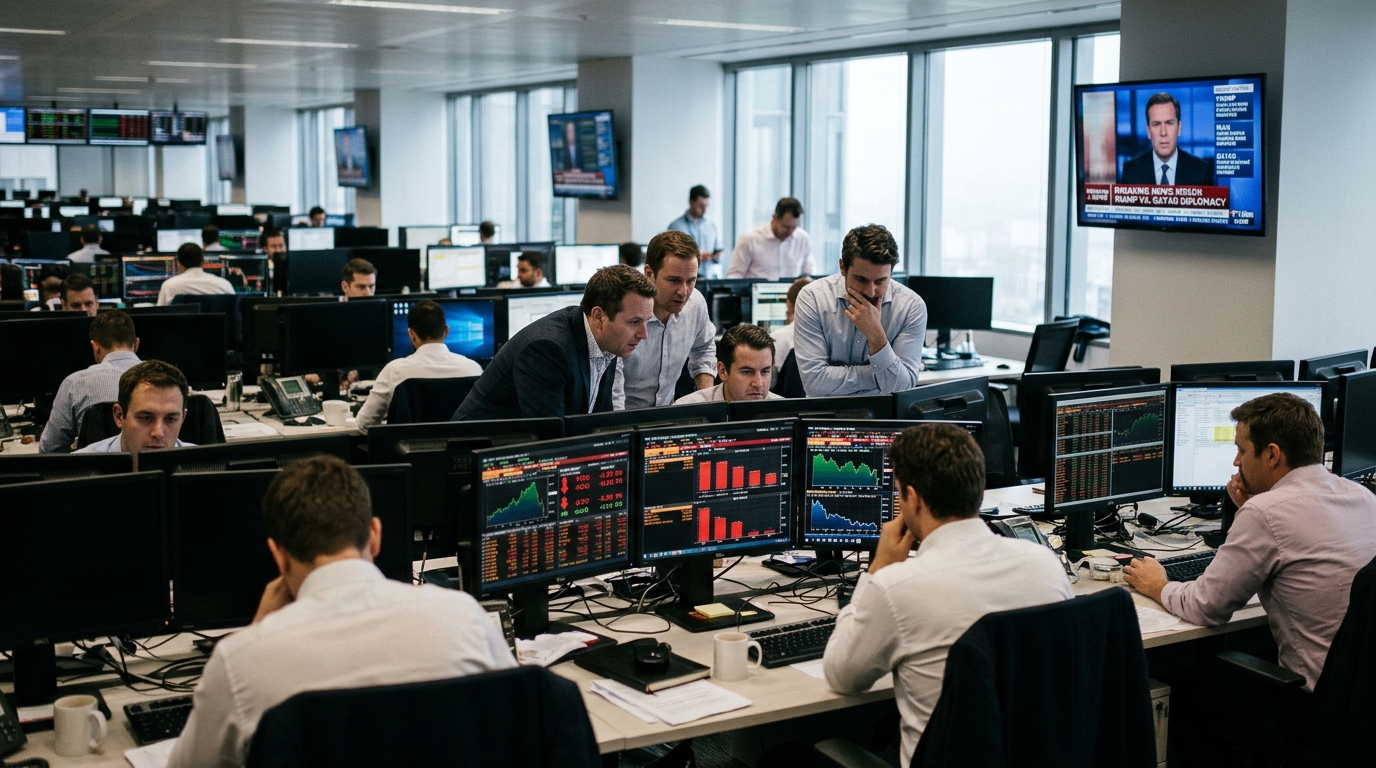
Iran tensions keep oil risk elevated after U.S. midterms
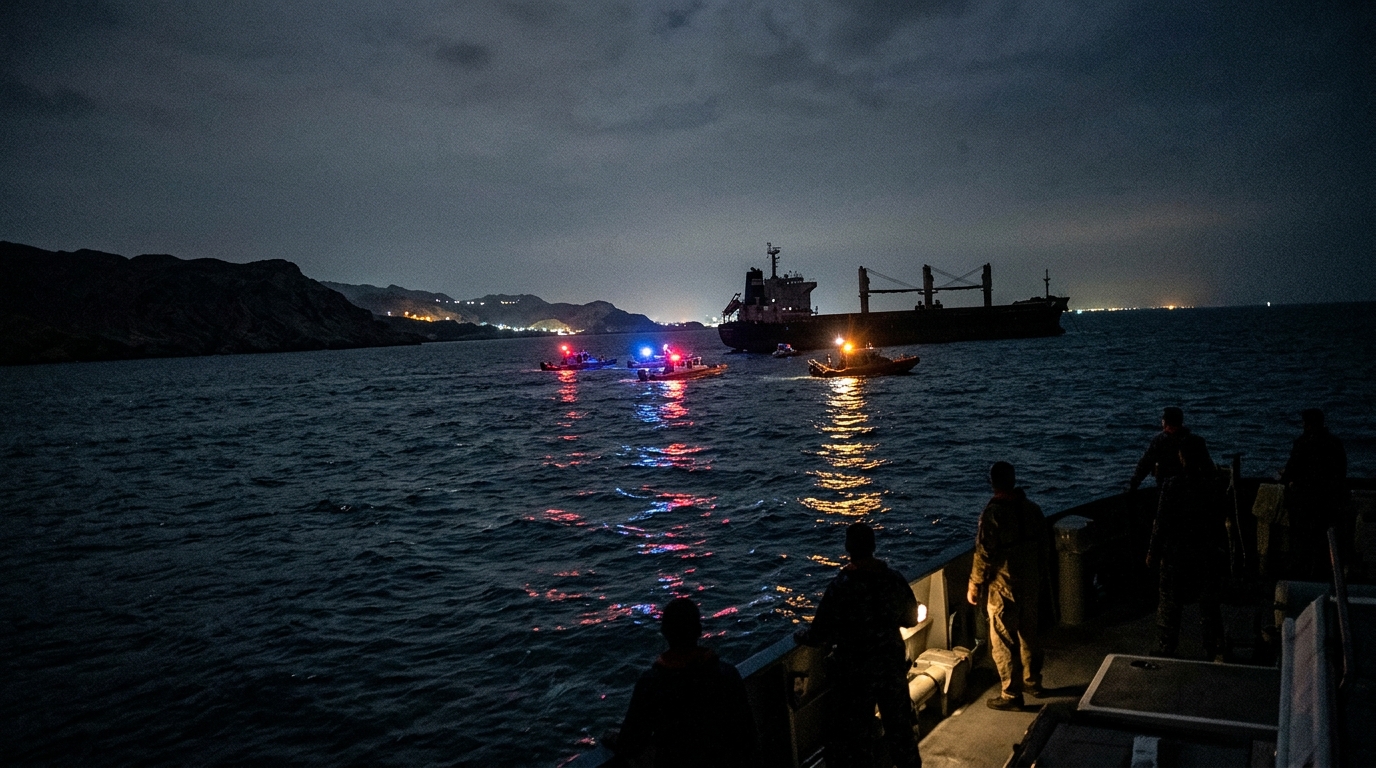
Geopolitical risk tied to Iran remained a key commodities story after multiple reports pointed to fresh military activity and a still-fragile security backdrop in the Gulf, even as U.S. midterm results reshaped Washington’s political landscape.
According to CNBC, the risk of escalation involving Iran remains high despite a Democratic sweep in the U.S. midterm elections. In a separate report, CNBC said former President Donald Trump stated that the U.S. carried out “minor strikes” on Iran as missiles hit Qeshm Island. Investing.com, citing Iranian media, separately reported that explosions were heard in areas in southern Iran. Investing.com also reported that the U.S. military said it disabled a cargo vessel in the Gulf of Oman.
Taken together, those headlines suggest that energy markets are still facing an active geopolitical risk premium rather than a fading one. Even without a confirmed immediate disruption to oil production or exports in the headlines provided, the concentration of incidents around southern Iran and nearby shipping lanes is enough to keep traders focused on supply-chain vulnerability.
Why commodities markets are watching the Gulf
The Gulf and the waters around Iran remain central to global energy trade because any military confrontation or shipping disruption can affect how markets price crude supply risk. Qeshm Island sits near the Strait of Hormuz, one of the world’s most strategically important maritime chokepoints for oil flows.
That matters for commodities even when physical supply losses are not yet confirmed. Oil prices often respond not only to barrels already lost, but also to the possibility of insurance costs rising, shipping routes becoming less predictable, or military incidents prompting precautionary moves by cargo operators.
The latest headlines reinforce that pattern. CNBC framed the situation as one where escalation risk remains high, while Investing.com added operational details through reports of explosions and a disabled vessel in the Gulf of Oman. That combination gives markets both a political signal and a logistics signal.
Why the midterm outcome may not calm energy markets
The U.S. election result might normally lead some investors to reassess foreign-policy expectations. But the reporting cited here suggests that, for oil markets, the immediate issue is less about Washington’s partisan balance and more about the facts on the ground in and around Iran.
If traders conclude that military activity is broadening or becoming more frequent, the market may remain sensitive regardless of which party gained momentum domestically. CNBC’s reporting underlines that the election result has not removed the possibility of a wider confrontation.
That distinction is important for commodities investors and corporate risk managers. A calmer U.S. political outlook does not automatically translate into lower crude volatility if events near critical shipping lanes continue to develop.
What markets may watch next
Based on the available headlines, there are several market variables likely to stay in focus:
- Shipping security: Any further incidents involving commercial vessels in the Gulf of Oman or near the Strait of Hormuz could sharpen supply concerns.
- Official confirmation: Markets may look for more direct statements from U.S., Iranian, or allied officials to clarify the scope of reported strikes and explosions.
- Export continuity: Traders will be watching for any signs that Iranian or regional oil flows are being interrupted, delayed, or rerouted.
- Risk pricing: Even absent confirmed supply damage, futures markets may continue to price in a geopolitical premium if uncertainty persists.
Broader market implications
Higher geopolitical tension can influence more than crude alone. It can affect refinery margins, freight costs, currencies tied to energy trade, and broader risk sentiment across equities and bonds. For global markets, the oil story is often one of second-round effects as much as first-round supply concerns.
At this stage, the headlines support a clear conclusion: the Iran-related risk backdrop has not eased after the U.S. midterms, and the concentration of incidents near strategic waters keeps commodities markets on alert.
Neutral outlook: Traders are likely to stay focused on whether these reported incidents remain contained or evolve into disruptions that materially affect regional shipping and energy flows.
MarketPro reports are AI-assisted analyses of publicly reported market news. Not investment advice.