SEC and CFTC Face New Crypto Oversight Vacuum
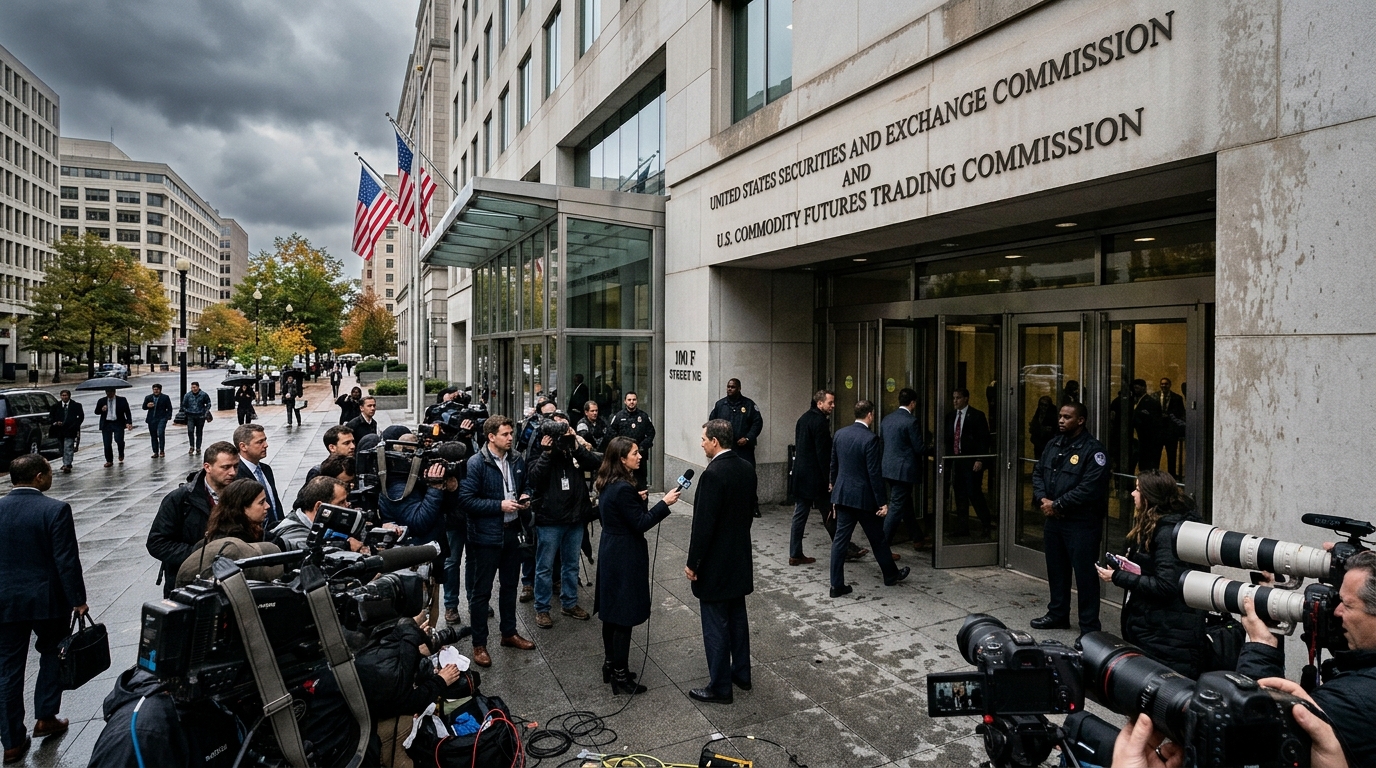
U.S. crypto regulation may be entering a more fragile phase after a key resignation set up the prospect that oversight decisions at the Securities and Exchange Commission and Commodity Futures Trading Commission could come down to just three commissioners, according to Cointelegraph. For digital-asset markets, that raises a familiar problem: even when political interest in regulation is high, institutional capacity and voting dynamics can slow or complicate action.
The development matters because the SEC and CFTC remain the two most important U.S. agencies for crypto market oversight. Questions over which tokens are securities, how trading venues should be supervised and what standards apply to market conduct all depend heavily on these regulators. A smaller group of decision-makers could make the path less predictable, especially if the agencies face split votes on enforcement, rulemaking or jurisdiction.
Why commissioner numbers matter
Independent regulators such as the SEC and CFTC often rely on multi-member commissions to approve major actions. In practice, that means leadership changes and vacancies can materially affect timing, priorities and policy consistency.
According to Cointelegraph, the current shift could leave crypto oversight concentrated among three commissioners following a resignation. That does not automatically mean policy paralysis. But with fewer votes available, each commissioner’s stance can carry more weight, and contested decisions may become harder to push through.
For markets, the immediate issue is not just whether regulation becomes stricter or looser. It is whether the process becomes less predictable. Firms operating in the U.S. digital-asset sector have repeatedly had to navigate periods where formal rulemaking lagged behind enforcement or where one agency’s view differed from another’s.
Market-structure questions remain unresolved
This comes at a time when crypto market structure is already in flux. Cointelegraph also reported that Bitwise has launched what it described as the first U.S. spot NEAR ETF after the token’s recent surge. That headline points to continuing product innovation and investor demand, even as the regulatory framework remains unsettled.
At the same time, Cointelegraph reported that the European Central Bank is considering AI agent payments in the context of the digital euro, highlighting how policy and market infrastructure debates are moving forward internationally as well. The contrast is notable: while other jurisdictions and institutions explore next-generation payment and tokenization models, U.S. agencies still face basic jurisdictional and governance questions around crypto oversight.
Why this matters for trading venues and institutions
Any narrowing of decision-making capacity at the SEC or CFTC could affect several areas:
- Exchange and broker oversight: Firms may face longer waits or less clarity on registration and compliance expectations.
- Token classification: Disputes over whether assets fall under securities or commodities frameworks may remain unsettled.
- Enforcement signals: Markets often watch regulator composition for clues on how aggressively agencies may pursue cases.
- Product approvals: New crypto-linked financial products could face a less predictable review environment.
This does not mean all activity stops. But it can raise the value of procedural developments, appointments and voting alignments as market drivers. For institutional participants, that makes policy monitoring almost as important as tracking price action.
A familiar U.S. crypto pattern
The broader takeaway is that U.S. crypto regulation remains highly sensitive to personnel changes. Rather than a settled legislative framework dictating outcomes, much of the near-term direction still depends on the composition and priorities of the main agencies.
According to Cointelegraph’s report, the latest resignation could sharpen that dynamic by concentrating authority further. For investors and companies alike, that is significant because regulatory uncertainty can affect listing decisions, capital allocation, legal risk assessments and product launches.
While the headline is procedural, the consequences can be market-moving. In crypto, governance structure often shapes market structure.
Neutral outlook: The next meaningful signal is likely to come from agency appointments, commissioner voting balance and any indication of whether the SEC and CFTC can maintain a consistent regulatory approach with fewer decision-makers.
MarketPro reports are AI-assisted analyses of publicly reported market news. Not investment advice.