Crypto freeze response puts stablecoin risk controls in focus

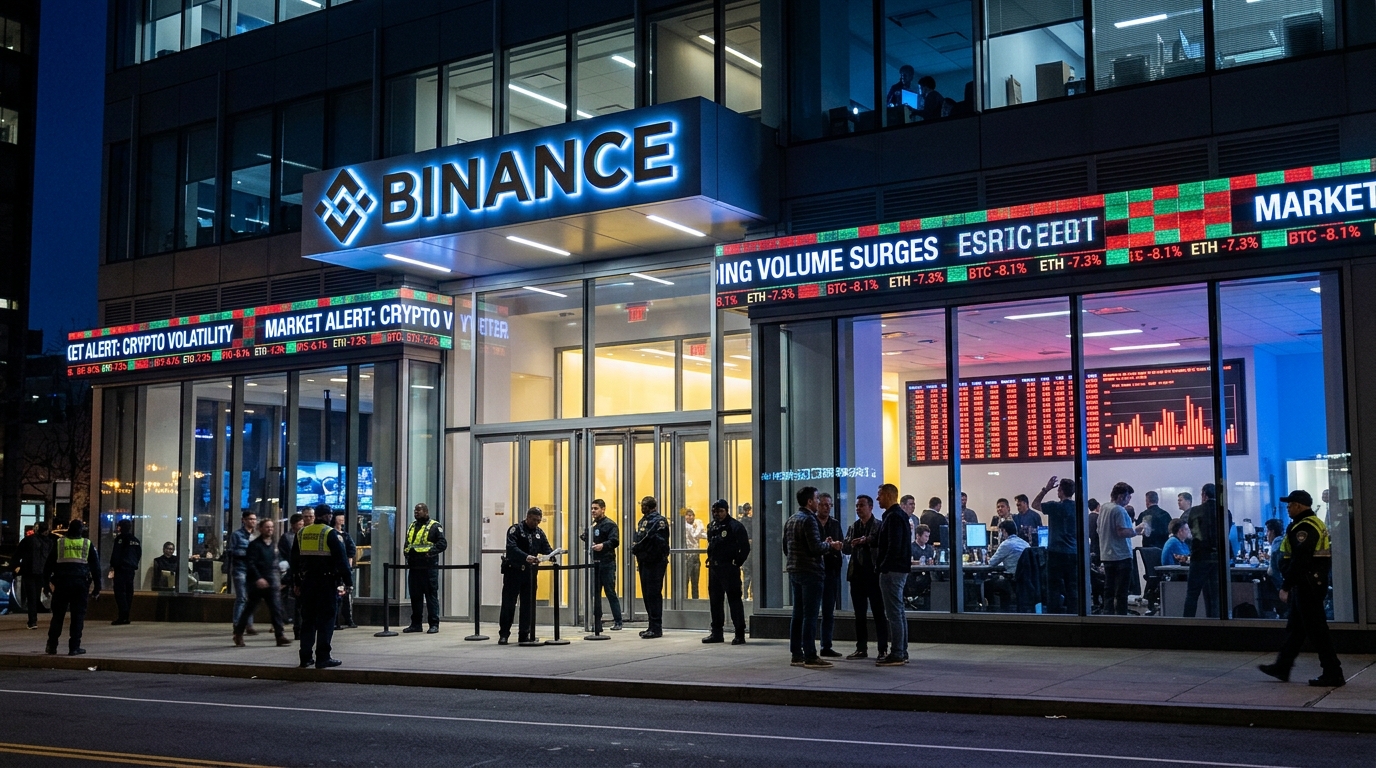
Circle and Tether moved to freeze funds affected by a potential Binance security issue, a development that shifted market attention from token prices to a more structural question: how much control major stablecoin issuers can exercise during a fast-moving crypto incident.
According to CNBC, Circle and Tether froze funds impacted by what was described as a potential Binance security issue. Cointelegraph separately reported that Binance was hacked for more than $5.8 billion in a major crypto exploit. While the available headlines do not provide a fully reconciled account of the scale or confirmed mechanics of the event, both reports point to the same core market issue: emergency intervention by key infrastructure players during a security shock.
Why the freeze matters to markets
Stablecoins sit at the center of crypto trading, settlement and liquidity. When issuers such as Circle and Tether freeze assets, they are not just responding to one incident; they are demonstrating the operational powers embedded in major crypto market plumbing.
That matters because stablecoins are widely used as transactional cash equivalents across exchanges, trading pairs and cross-border transfers. In stress events, the ability to halt or isolate funds may help limit contagion. At the same time, it highlights a central tension in digital-asset markets: instruments often described as open and borderless still rely heavily on centralized issuers and compliance decisions.
For institutional observers, that operational reality may be more important than the headline price reaction. A freeze can be seen as a safeguard, but it also underscores counterparty and governance risks that remain embedded in crypto infrastructure.
Market structure, not just security, is the real story
Security incidents are not new in crypto. What stands out in this case is the visible role of stablecoin issuers in the response. Their actions suggest that some of the market’s most systemically important rails can be modified or restricted quickly when funds are believed to be compromised.
This creates several implications:
- Liquidity risk: frozen funds can disrupt transfer and settlement activity across platforms
- Counterparty concentration: reliance on a small number of issuers and venues remains high
- Regulatory relevance: intervention powers may draw more scrutiny from policymakers
- Operational due diligence: institutions may place more weight on custody, wallet screening and issuer controls
Readers have shown consistent interest in crypto stories tied to infrastructure and regulation rather than purely directional price moves. This episode fits that pattern because it offers a live example of how crypto’s core rails behave under pressure.
What can and cannot yet be concluded
Based on the supplied headlines alone, it is clear that Circle and Tether took freezing action and that Cointelegraph characterized the Binance event as a hack with a very large dollar figure. It is not yet possible here to verify the full scope of losses, the exact funds frozen, or whether all affected assets were directly linked to the same exploit path. That uncertainty is important.
In market terms, incomplete information can itself become a source of volatility. Participants may respond not only to confirmed losses, but also to uncertainty around recoverability, exchange operations, and whether stablecoin restrictions spread to related addresses or venues.
Why this reaches beyond crypto-native traders
The broader financial relevance lies in crypto’s increasing links to payments, treasury operations and market infrastructure. Episodes like this can influence how institutions evaluate digital-dollar instruments and exchange exposure.
If stablecoin issuers are expected to act as crisis managers during security events, investors and regulators may ask for clearer standards around disclosures, freeze authority and coordination with trading venues. That could shape the next phase of crypto market-structure debate more than any short-term move in token prices.
Neutral outlook: The near-term focus will remain on operational details and fund containment. Longer term, the episode may reinforce market demand for stronger transparency around stablecoin controls, exchange safeguards and incident response.
MarketPro reports are AI-assisted analyses of publicly reported market news. Not investment advice.