Trump AI push puts Nvidia at center of policy debate
Nvidia has moved closer to the center of the US artificial-intelligence policy debate after separate reports pointed to a stronger political role for the company and a broader Trump-backed AI initiative. For markets, the significance is not just political theater. It is a reminder that AI regulation, export controls and national competitiveness are becoming more directly tied to the outlook for leading chipmakers.
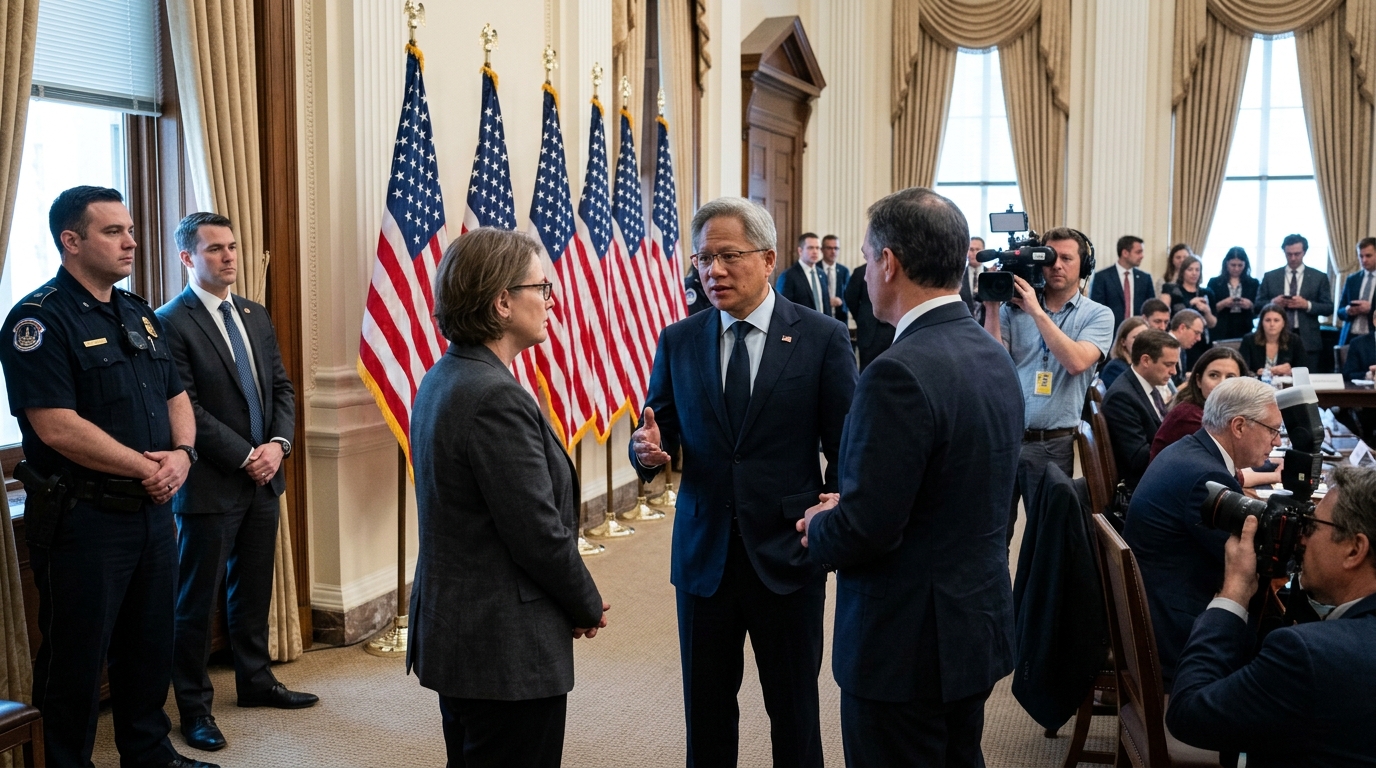
According to a CNBC report, Nvidia CEO Jensen Huang has emerged as one of Donald Trump’s top allies in the AI safety debate. Separately, Cointelegraph reported that Trump said the US would form an “AI Force” and appoint an AI czar, citing published reports. While the two stories come from different angles, together they suggest AI policy is becoming more centralized and more visible ahead of the next phase of Washington’s technology agenda.
Why markets care about Nvidia’s policy role
Nvidia is already one of the most important companies in global equity markets because of its position in AI computing hardware. Any shift in how Washington approaches AI safety, domestic infrastructure, procurement or export rules could have a material effect on sentiment toward the broader semiconductor complex.
The CNBC report matters because it frames Huang not simply as a corporate executive, but as a figure with influence in shaping the terms of the AI debate. That is notable at a time when investors are trying to judge whether the next phase of AI policy will emphasize faster buildout, tighter safeguards, stronger US industrial support, or some combination of all three.
If the policy discussion moves toward national capability and strategic deployment, that could keep focus on the companies supplying the hardware foundation for large-scale AI systems. If it moves toward stricter oversight and slower rollout, investors may start asking whether adoption timelines and infrastructure spending could face more friction.
The bigger theme: AI from market story to state priority
Cointelegraph’s report on an “AI Force” and a possible AI czar points to a broader shift: AI is increasingly being treated as a matter of state capacity, not just private-sector innovation. That has several implications for investors.
- First, policy coordination may increase. A dedicated AI structure could concentrate decisions that are now split across multiple agencies and advisory bodies.
- Second, the sector could see clearer winners and losers. Companies aligned with US infrastructure, compliance and strategic goals may benefit from greater visibility.
- Third, global competition remains central. The policy framing increasingly overlaps with semiconductor supply chains, cloud capacity and competition with China.
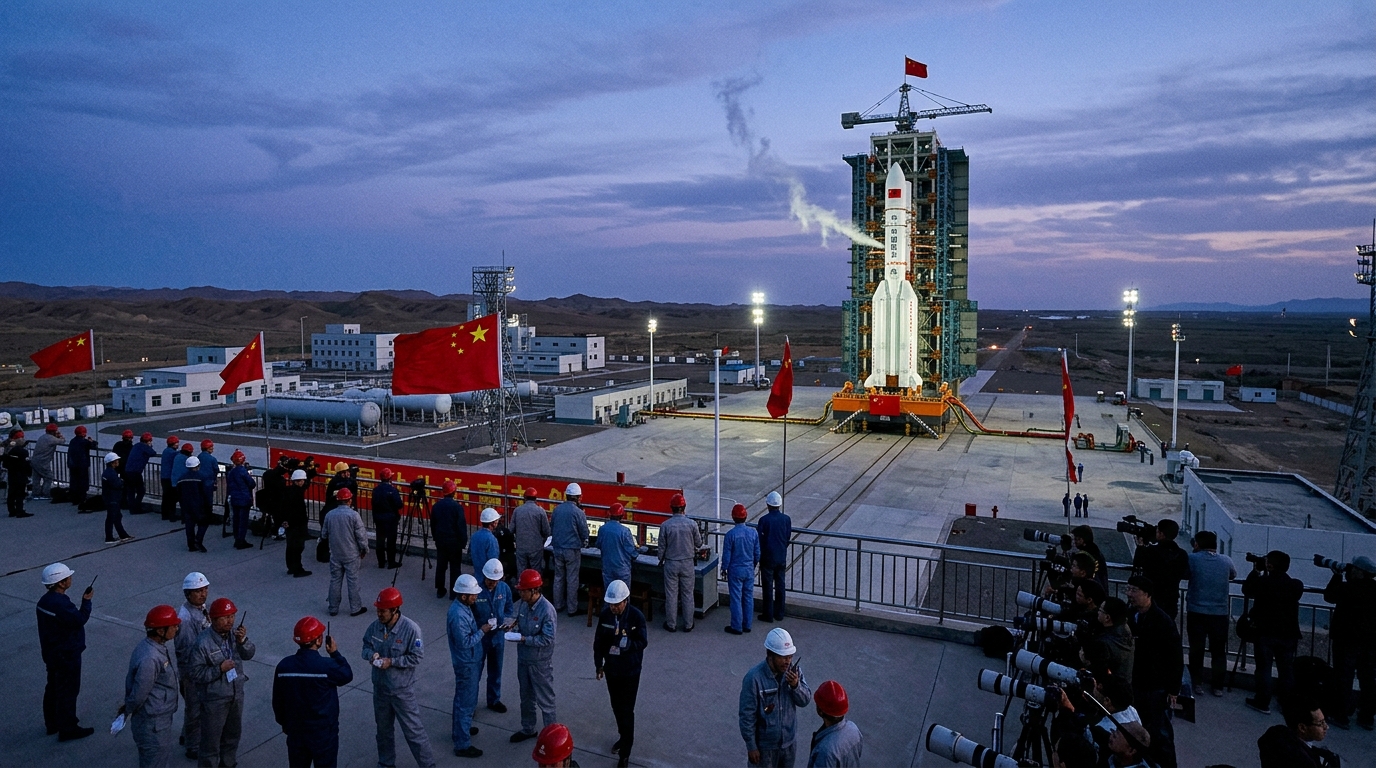
MarketWatch also reported that China is chasing SpaceX and setting its sights on the global space economy. Although that is a separate sector, it reinforces a common market theme: major powers are competing more aggressively in advanced technology fields, and governments are playing a larger role in setting the pace.
What investors may watch next
At this stage, the available headlines do not establish a final policy blueprint, and there are still many unknowns. The reports do, however, give investors several concrete signposts to monitor in coming weeks.
1. Formal policy proposals
The most important next step will be whether campaign rhetoric or preliminary statements turn into formal proposals on AI governance, infrastructure, procurement or export controls.
2. Industry access and influence
If Nvidia continues to appear prominently in policy discussions, markets may read that as evidence the company will help shape practical standards rather than merely respond to them.
3. Spillover to the wider chip sector
Any shift in Washington’s AI posture would likely affect not only Nvidia but also other semiconductor, server, networking and data-center names tied to AI buildout.
A policy premium may be forming
For global markets, one of the clearest lessons from the latest reporting is that AI leadership now carries a political premium as well as a commercial one. Nvidia’s relevance is no longer limited to earnings growth and product cycles. It is becoming part of a wider debate over how the US wants to balance innovation, safety and strategic advantage.
That does not automatically point in one market direction, and the current reports leave many details unresolved. But according to CNBC and Cointelegraph reports, investors now have more reason to treat AI policy as a direct driver of semiconductor sentiment rather than a distant background issue.
Neutral outlook: The next market reaction will likely depend on whether these AI policy signals become concrete rules, spending plans or oversight structures.
MarketPro reports are AI-assisted analyses of publicly reported market news. Not investment advice.