Trump Iran strike claim jolts oil-risk outlook
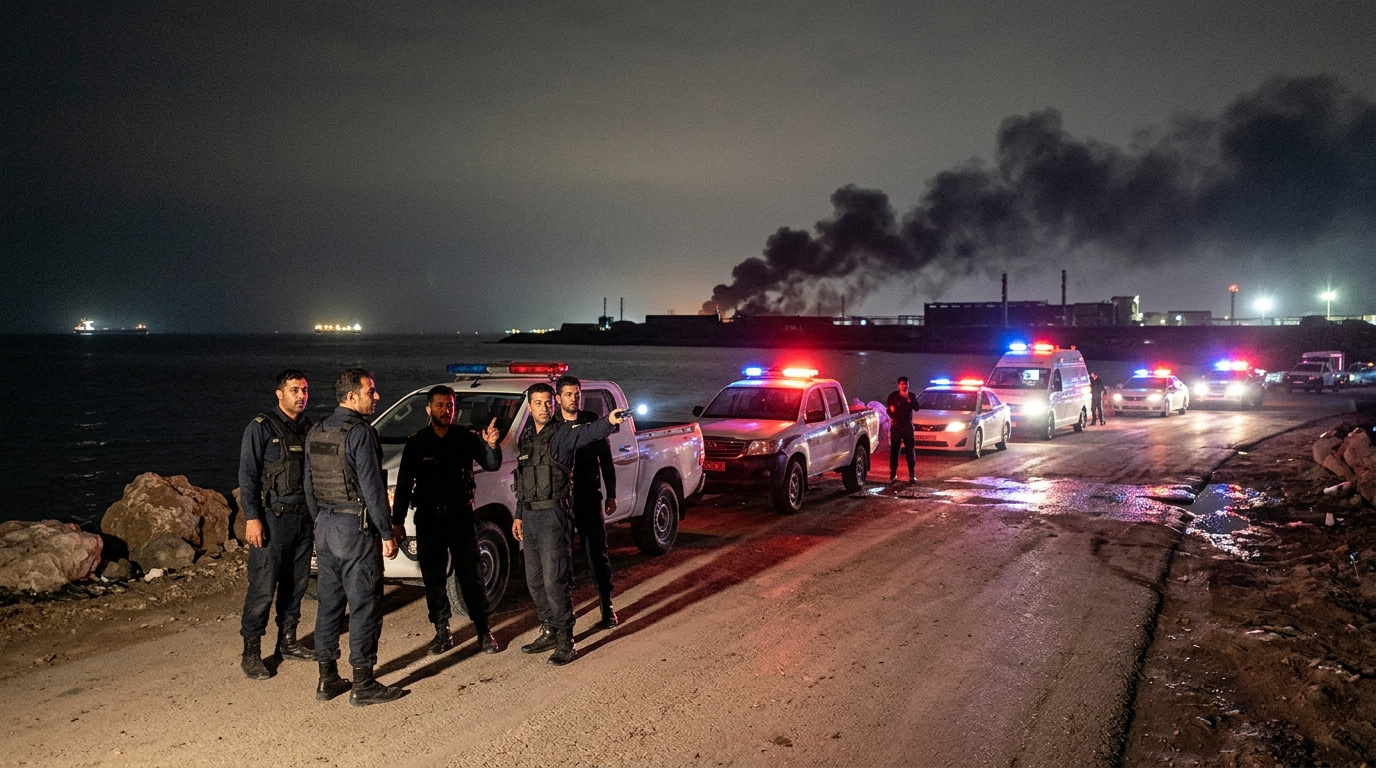
Fresh geopolitical tension in the Middle East is back in focus for commodity markets after CNBC reported that Donald Trump said the United States had carried out “minor strikes” on Iran while missiles hit Qeshm Island.
Even with limited details, the combination of a reported U.S. action and missile activity near Qeshm Island is significant for oil traders because the island sits close to the Strait of Hormuz, one of the world’s most important energy shipping routes. Any suggestion of military escalation in that area can quickly raise concerns about supply disruption, shipping insurance costs and broader regional instability.
At this stage, the available wire headlines do not confirm the scale of damage, the duration of any disruption or whether oil flows have been affected. That matters. Markets often react first to the location and political signal, then reassess once operational details emerge.
Why Qeshm matters for oil markets
Qeshm Island’s relevance comes less from local headlines alone and more from its proximity to a chokepoint that global oil and fuel markets watch constantly. The Strait of Hormuz is central to the movement of crude and refined products from major Gulf producers. When tensions flare nearby, commodity desks typically shift attention to tanker traffic, freight costs and any signs that producers or shippers are adjusting operations.
That is why even a headline describing “minor strikes” can still have an outsized market impact. The issue is not only immediate physical damage. It is also the risk premium that gets attached to crude when traders see a greater chance of retaliation, further strikes or transport disruption.
How investors may read the signal
For commodities investors, this type of event usually feeds into three questions:
- Whether the incident remains contained or expands into a broader exchange.
- Whether shipping routes are affected, even indirectly through higher security or insurance costs.
- Whether governments and producers respond with statements or contingency measures that change supply expectations.
According to the CNBC report, Trump characterized the action as “minor,” which may suggest an attempt to frame the move as limited rather than the start of a wider campaign. Still, markets often treat official labels cautiously until there is independent clarity on what actually happened on the ground.
Investors will also be alert to knock-on effects beyond crude. Escalation around Gulf energy routes can influence refined fuels, shipping shares, defense stocks and haven-linked assets, while also complicating inflation expectations if energy prices move sharply.
What is still unknown
The current headline set leaves major gaps. There is no confirmation here from a second named outlet on the military claim itself, no verified assessment of infrastructure damage and no direct evidence yet of interrupted energy exports. That means the market significance is driven more by geopolitical risk than by a confirmed supply shock.
For now, the most supportable conclusion is narrow: the headline adds a new layer of uncertainty to the oil outlook because it links reported U.S. military action with missile strikes in a strategically sensitive area.
What to watch next
Traders will likely look for follow-up reporting on tanker movements, official statements from Washington and Tehran, and any confirmation of operational changes around the Strait of Hormuz. A clearer picture of shipping conditions would matter more for oil pricing than political rhetoric alone.
Neutral outlook: The immediate market effect is likely to be a higher geopolitical risk premium for energy, but the durability of that move will depend on whether the incident stays limited or begins to affect regional flows.
MarketPro reports are AI-assisted analyses of publicly reported market news. Not investment advice.