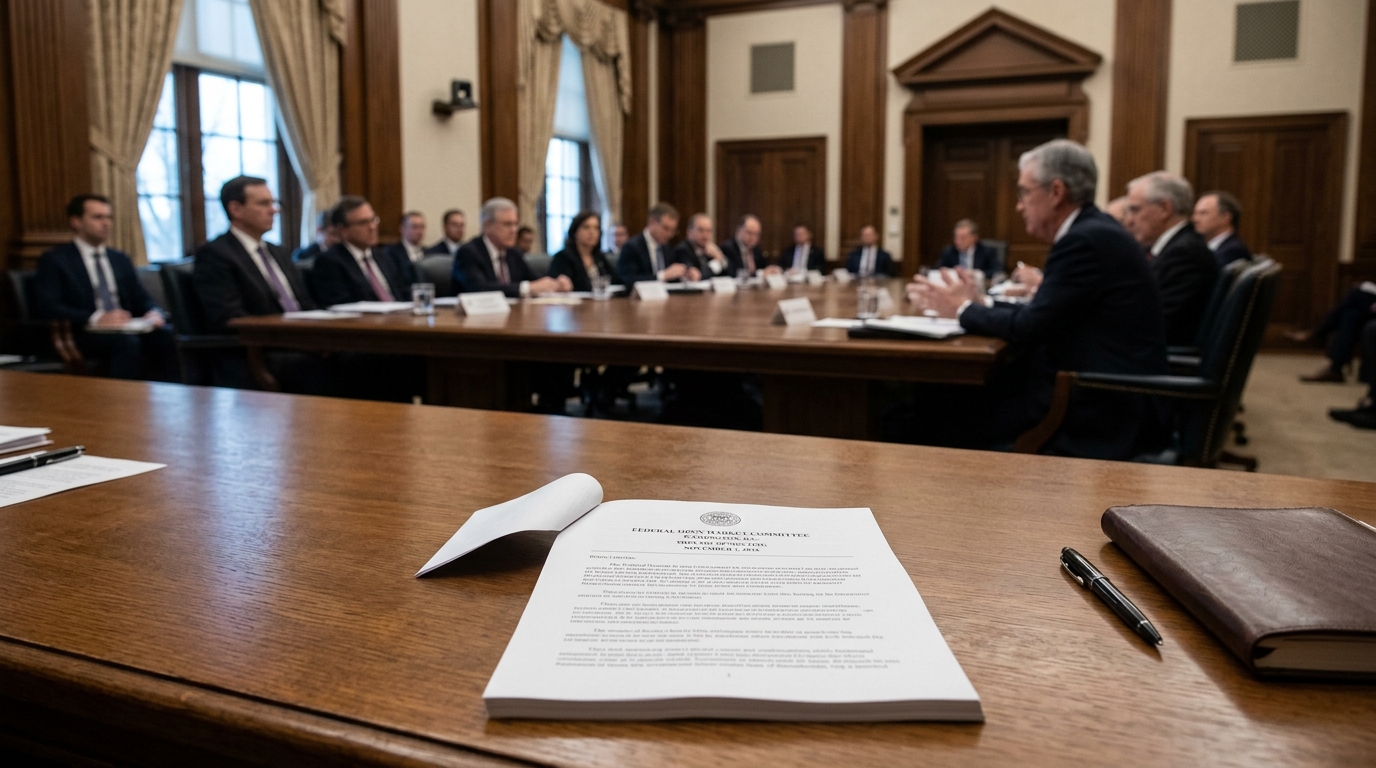
U.S. consumers turn gloomier as inflation fears heat up
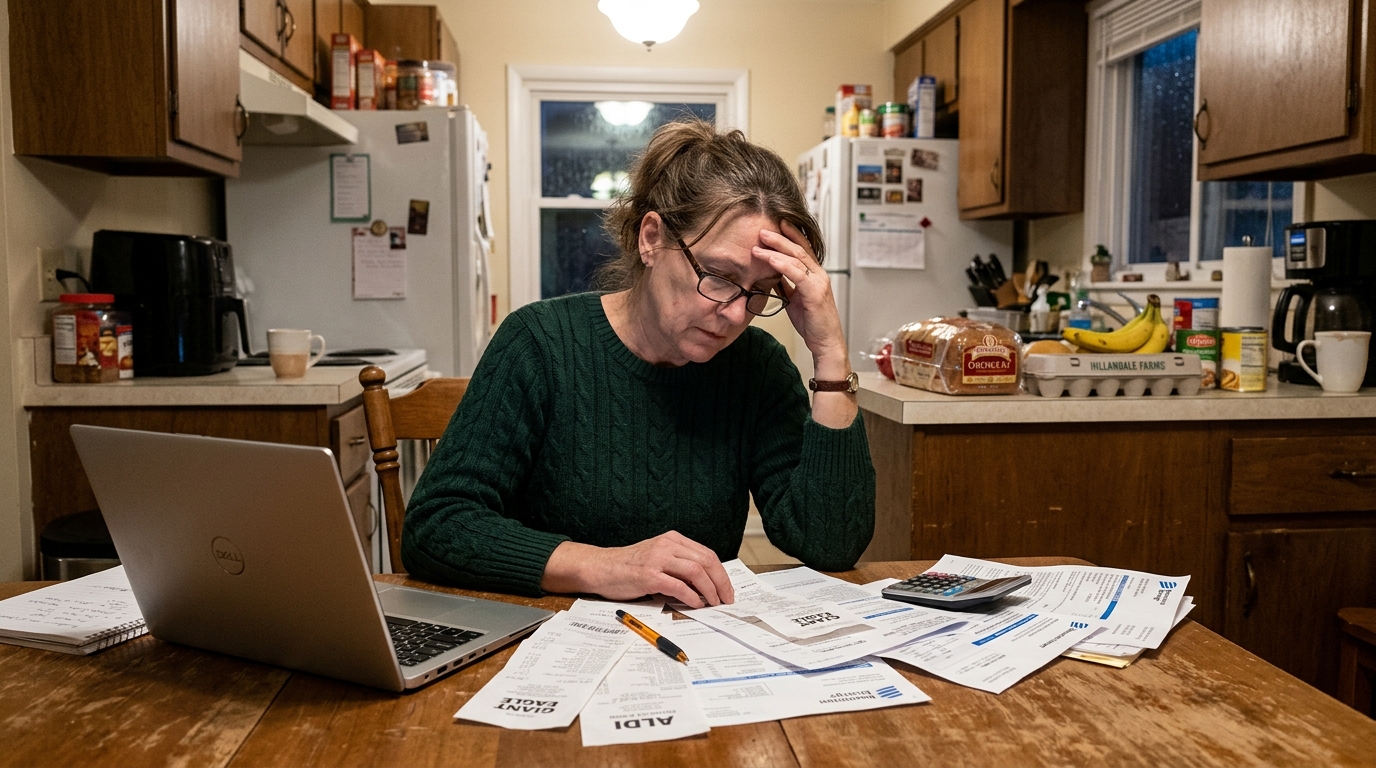
U.S. households are showing fresh signs of strain as inflation worries and concerns about personal finances rise together, according to separate CNBC reports citing New York Fed survey findings and related consumer sentiment data.
The combination matters for markets because it points to a more complicated backdrop for the Federal Reserve: households appear to be bracing for higher prices even as confidence in their own financial position weakens.
Inflation expectations move higher
According to a CNBC report, the one-year inflation outlook in a Federal Reserve survey reached its highest level since May 2023. That suggests consumers have become more concerned that price pressures could remain uncomfortably persistent in the near term.
Inflation expectations are closely watched because they can shape real-world behavior. If households expect prices to rise faster, they may change spending patterns, push for higher wages, or delay certain purchases. Central banks monitor these signals because they can influence how quickly inflation cools — or proves sticky.
Even without fresh official inflation data in the headline set, the survey move is notable because it reflects how consumers are processing the current environment of elevated borrowing costs, market volatility and geopolitical uncertainty.
Financial pessimism adds a second warning sign
A separate CNBC headline said Americans have grown more pessimistic about their finances, citing New York Fed findings and expert commentary warning of “tough choices” ahead. Read together with the inflation expectations story, the message is that consumers are not just worried about prices in the abstract — they are increasingly worried about what those prices mean for their own household budgets.
That can have broader economic consequences. Consumer spending is a major driver of U.S. growth, and a deterioration in household confidence can spill into discretionary purchases, travel, housing-related activity and demand for credit.
For investors and policy watchers, this creates a tension. Higher inflation expectations can argue for caution from the Fed, while weaker household confidence can point to slower growth momentum.
Why markets are likely to pay attention
These survey signals arrive at a time when interest-rate expectations remain highly sensitive to incoming macro data. Consumer attitudes do not carry the same weight as hard data such as payrolls or CPI, but they can still influence market thinking about the direction of demand and the political pressure surrounding inflation.
They also matter for sectors beyond rates markets:
- Retailers may face a tougher demand environment if households become more selective.
- Banks and lenders may see closer scrutiny on consumer credit quality if budget stress rises.
- Bond markets may react if investors see persistent inflation expectations complicating the path to easier policy.
The broader message is not that a single survey determines the economic outlook, but that multiple consumer indicators are now pointing in a less comfortable direction.
A more cautious consumer backdrop
The latest headlines suggest the U.S. consumer is entering a more cautious phase. According to CNBC, inflation concerns have strengthened while confidence in personal finances has weakened. That mix does not automatically signal a sharp downturn, but it does raise the stakes for upcoming data on prices, wages and spending.
For now, the key takeaway is that households appear increasingly uneasy about both the cost of living and their own financial resilience. A short neutral outlook: markets will likely look for confirmation in upcoming inflation and consumption data before drawing firmer conclusions about the Fed and growth.
MarketPro reports are AI-assisted analyses of publicly reported market news. Not investment advice.