Zaporizhzhia plant loses external power again
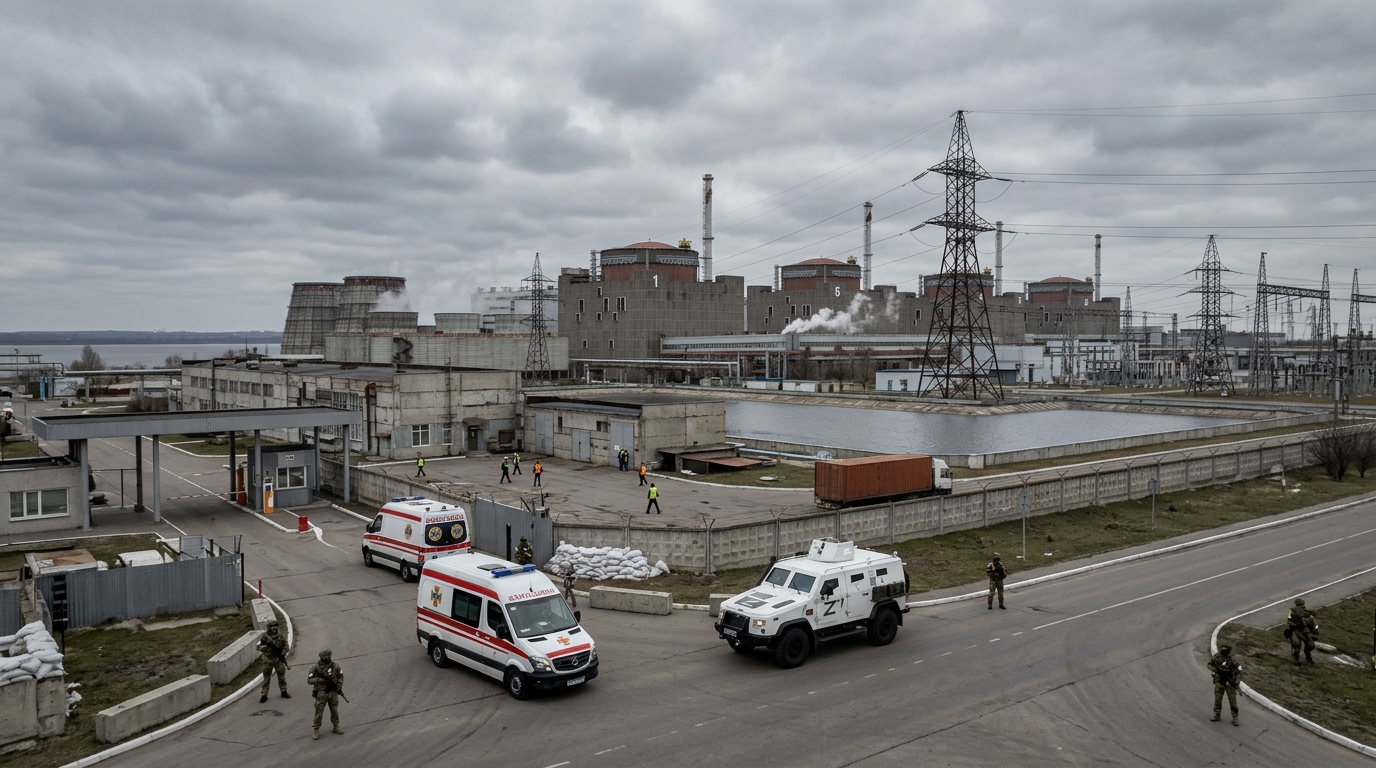
Europe’s energy-security risks returned to the spotlight after the Zaporizhzhia nuclear power plant lost external power and switched to diesel generators, according to an Investing.com report citing the latest development at the site.
The headline points to a familiar but still serious problem for markets watching regional energy infrastructure: when Europe’s largest nuclear plant loses outside electricity, the issue is not only nuclear safety, but also the broader resilience of the power system around a war zone. Even without an immediate market-price reaction in the headline set, the event matters because it underscores how quickly operational stress can reappear in critical energy networks.
Why the power loss matters
Nuclear plants need reliable off-site power for cooling and safety systems, even when reactors are not generating at normal levels. A switch to diesel generators is designed as a backup measure, but it is also a sign that normal grid connections have failed.
For commodity and power-market observers, that raises three practical concerns. First, it reinforces the fragility of electricity infrastructure in and around Ukraine. Second, it reminds European policymakers and utilities that wartime disruptions can still hit strategic assets unexpectedly. Third, it keeps energy-security risk embedded in the background for regional markets, even after the worst phases of Europe’s gas and electricity shock have eased.
According to Investing.com, the plant switched to diesel generators after losing external power. That alone is enough to revive concerns over contingency fuel supplies, repair timelines and the physical security of power links serving the facility.
Not just a local infrastructure problem
The Zaporizhzhia site has long held significance beyond Ukraine because of its scale and symbolic role in Europe’s energy map. When external power is interrupted there, the market implication is broader than one plant’s status. It feeds into a wider assessment of geopolitical infrastructure risk across the region.
That matters for commodities because electricity reliability, fuel logistics and industrial confidence are deeply connected. A disruption at such a high-profile site can influence how traders, utilities and governments think about backup generation, fuel inventories and the need for additional supply buffers.
Even if there is no direct, immediate effect on benchmark oil or gas prices from this headline alone, the event supports a persistent risk premium around European energy assets exposed to conflict spillovers. It also highlights why infrastructure security remains a live issue for anyone tracking power, fuels and industrial production in the region.
What markets may watch next
From here, market participants are likely to focus less on headline drama and more on operational details:
- How long the plant remains disconnected from external power sources.
- Whether diesel generation remains stable and sufficient for safety systems.
- If grid connections can be restored quickly without further incident.
- Whether international agencies or Ukrainian officials provide new status updates that clarify immediate risks.
Because the headline set provided today does not include a second independently reported version of the same development, caution is warranted in interpreting knock-on market effects. Still, the event is significant enough on its face to merit close attention given the plant’s strategic sensitivity and the history of investor concern around Ukrainian energy infrastructure.
Energy security remains a market theme
Recent reader interest has consistently favored market stories tied to macro risk and geopolitical infrastructure. This development fits that pattern because it speaks directly to physical energy resilience rather than abstract political debate.
It also arrives at a time when global markets remain sensitive to any event that could disturb power generation, transmission or fuel logistics. In that context, a loss of external electricity at Zaporizhzhia is not just a regional safety update; it is a reminder that hard infrastructure risks still sit beneath Europe’s broader energy outlook.
Neutral outlook: Markets will likely treat this as an energy-security watchpoint until outside power is reliably restored and the plant’s operating status is clarified by additional official updates.
MarketPro reports are AI-assisted analyses of publicly reported market news. Not investment advice.