Token-trading push puts crypto market rules back in focus
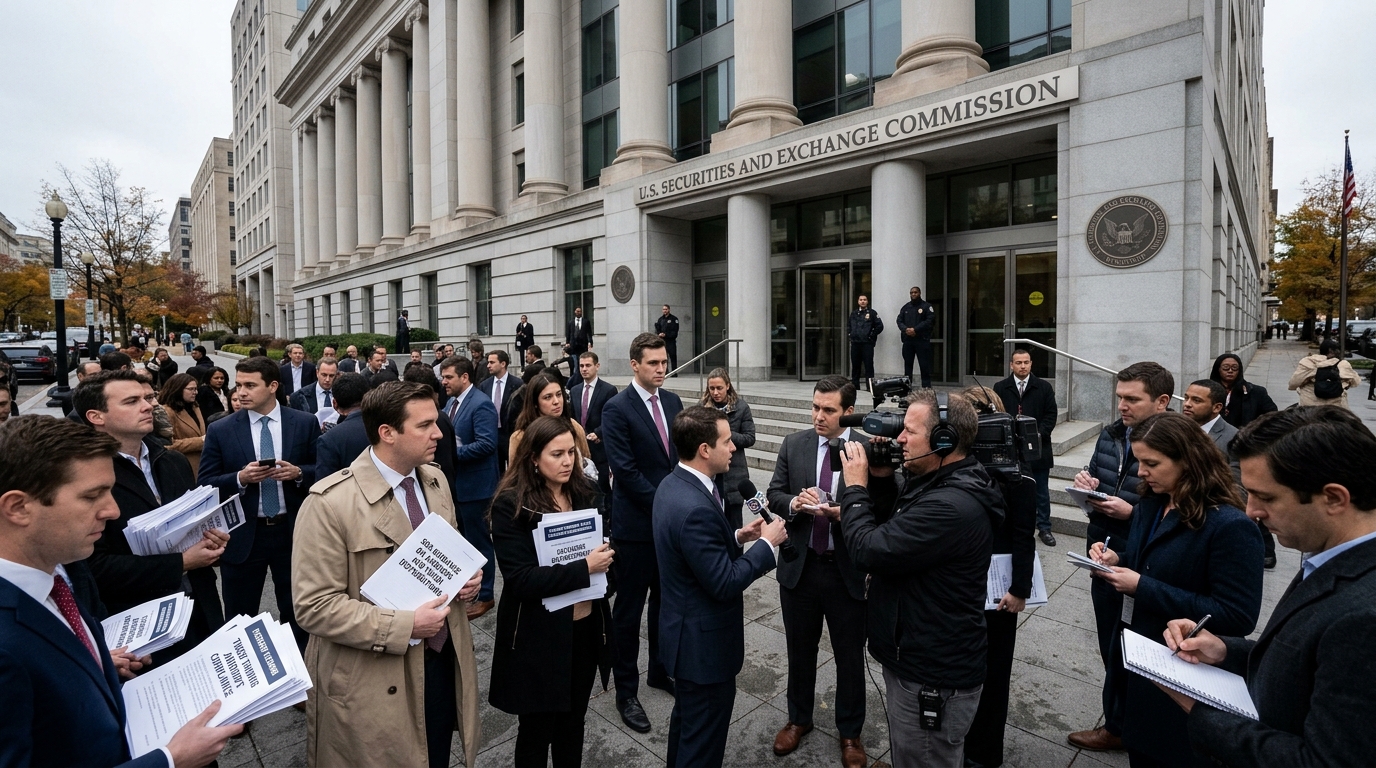
Crypto market structure is back in focus after Bitwise and Hyperliquid sought U.S. Securities and Exchange Commission rule changes related to token trading and airdrops, according to Cointelegraph. The push highlights how the industry is increasingly moving from product launches and trading narratives toward the rules that could govern broader institutional participation.
The development stands out because it targets the operating framework of digital-asset markets rather than the price of any single token. For investors and market participants, that makes it significant well beyond the companies involved: rule changes around token trading and distributions could affect exchange models, compliance standards and how new crypto assets reach the market.
Why this matters now
Crypto has spent much of the year balancing two forces: growing institutional interest and ongoing legal uncertainty. Requests for clearer rules on token trading and airdrops suggest parts of the industry see an opening to press for a more formalized structure.
According to Cointelegraph, Bitwise and Hyperliquid are seeking SEC changes specifically tied to token trading and airdrops. While the headline does not specify the exact proposals, the subject matter alone is important. Token trading rules shape how liquidity is organized, while airdrop treatment can influence user growth, distribution practices and securities-law risk.
The same broader theme appears elsewhere in today’s crypto wires. Cointelegraph also reported that stablecoin transfers quadrupled to $891 billion as U.S. banks expanded adoption, based on a report, and that Alphabet and Microsoft added objections to a proposed tokenized stock platform involving OKX and ICE. Together, those headlines point to a market where infrastructure and regulation are becoming central investment issues.
From speculation to market plumbing
This shift is notable because crypto coverage often centers on prices, exchange-traded funds or company-specific funding rounds. By contrast, SEC rulemaking questions go to the core market plumbing that institutions generally care about most.
Clearer token-trading rules could influence:
- Liquidity formation: how and where digital assets trade.
- Compliance costs: what platforms and issuers may need to do to operate.
- Asset listings: whether more tokens can enter regulated pathways.
- Distribution models: how projects use airdrops without triggering legal disputes.
That makes the Bitwise-Hyperliquid effort relevant not just to crypto-native traders, but also to traditional financial firms tracking whether digital assets can fit more cleanly into existing market systems.
Institutional access remains the bigger theme
The headline also aligns with a wider global pattern of institutions testing crypto access through more familiar channels. Although we are not revisiting previously covered ETF stories, today’s other wires still reinforce the same direction of travel. Cointelegraph reported that FINMA approved Switzerland’s first Bitcoin ETF for retail investors, while stablecoin and tokenization stories point to continued experimentation in regulated finance.
At the same time, opposition from large technology companies to tokenized stock initiatives, as reported by Cointelegraph, shows that the path is not straightforward. As digital assets move closer to the structures of mainstream markets, they attract more scrutiny from incumbent firms and regulators.
Why market participants should watch the SEC angle
SEC rule changes tend to matter because they can create longer-lasting effects than individual enforcement cases or short-term market swings. A more defined framework for token trading and airdrops could reduce uncertainty in some areas while imposing new boundaries in others.
For crypto businesses, that can affect strategy and fundraising. For institutional investors, it can change the calculus on whether to engage more deeply with token markets. For retail participants, it may alter how new projects are marketed, listed and distributed.
Even without full proposal details in the headline, the move by Bitwise and Hyperliquid suggests that some market participants now see formal regulatory engagement as preferable to operating in legal gray zones.
Global market read-through
The broader significance is that crypto is increasingly being shaped by policy architecture rather than only by momentum trading. As banks, asset managers and tokenization platforms expand their involvement, the debate is moving toward the standards that determine who can participate and on what terms.
According to Cointelegraph, the Bitwise-Hyperliquid push is the latest sign of that transition. In market terms, it is a reminder that the next phase of crypto adoption may depend as much on rulebooks as on risk appetite.
Neutral outlook: The SEC rule-change effort does not guarantee near-term policy shifts, but it adds to evidence that crypto’s institutional future is increasingly tied to market-structure and regulatory decisions.
MarketPro reports are AI-assisted analyses of publicly reported market news. Not investment advice.