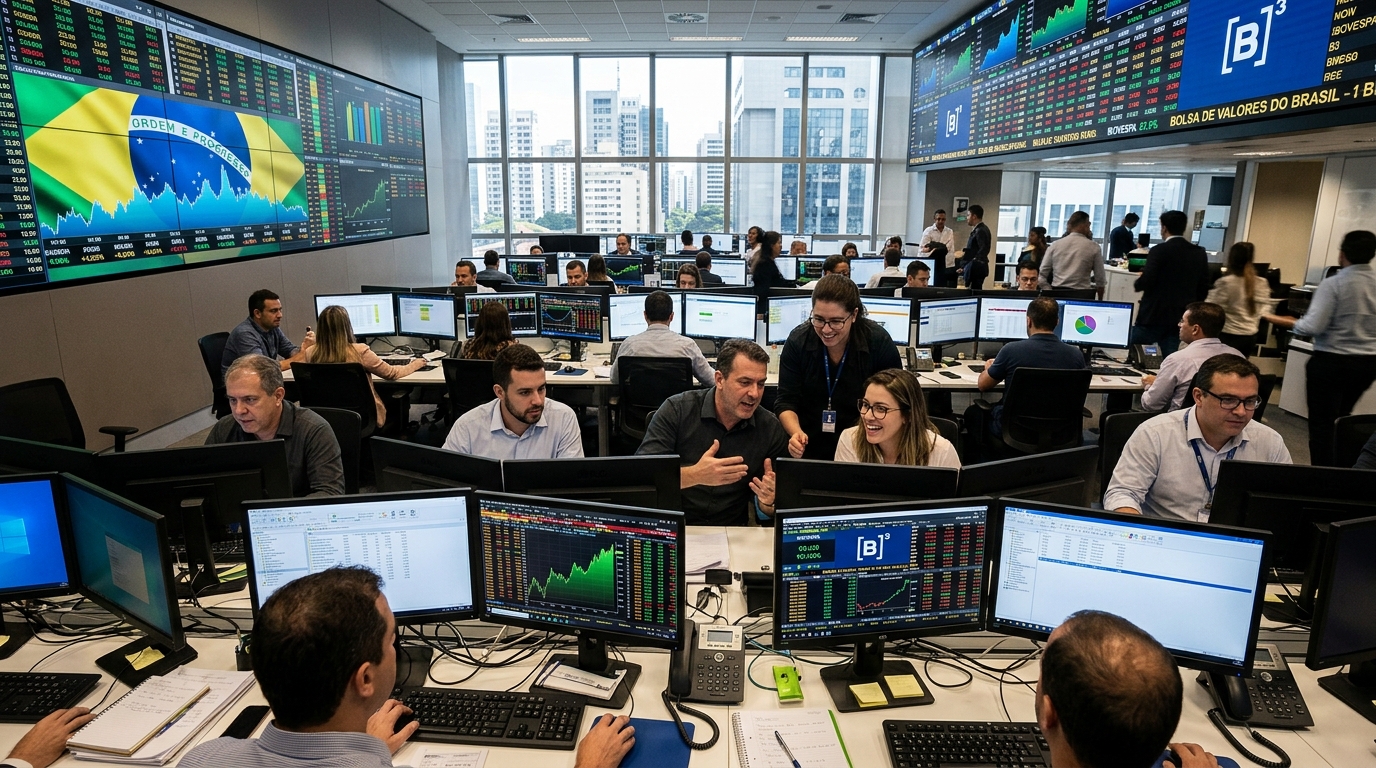
Brazil vote puts real, rates and stocks in focus
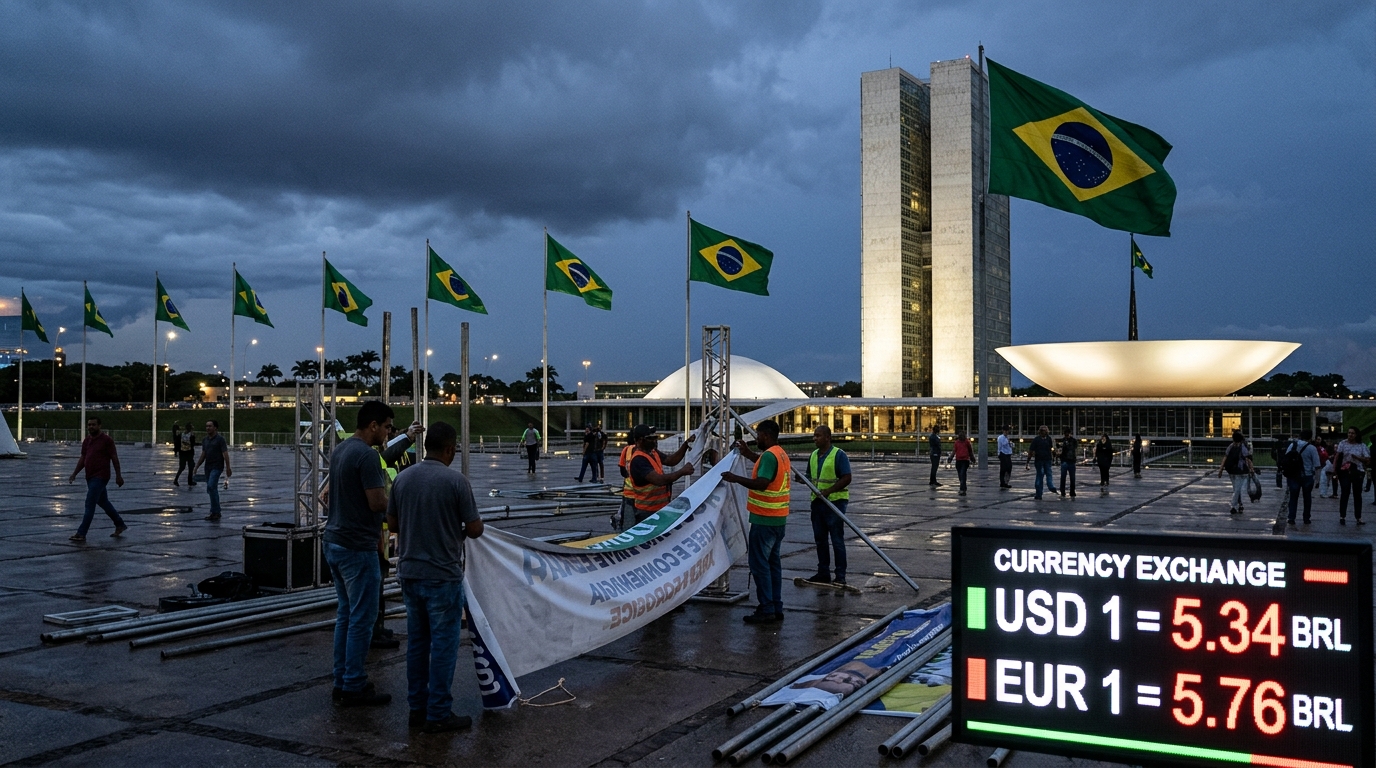
Brazil’s election is back at the center of market attention, with investors watching for potential swings in the Brazilian real, local bond yields and domestic equities as the country heads into a closely watched vote.
According to CNBC, Wall Street is bracing for two sharply different market interpretations tied to the political direction implied by the result. Investing.com also reported that President Luiz Inacio Lula da Silva and Flavio Bolsonaro were wrapping up their campaigns ahead of the first-round vote, underscoring that the political contest is entering its final stretch.
Why global investors are watching Brazil
Brazil is one of the most important emerging markets for global portfolio managers because of the size of its domestic bond market, the liquidity of the real and the country’s importance in commodities, agriculture and regional capital flows. Political uncertainty in Brazil often feeds quickly into foreign-exchange pricing and local interest-rate expectations.
For investors, the key issue is not just who wins, but what kind of policy mix markets think will follow. Election outcomes can alter expectations for fiscal discipline, government spending, privatization, state involvement in the economy and the medium-term path for inflation and interest rates.
CNBC framed the market debate as one with markedly different implications depending on the result, which helps explain why Brazil is drawing attention beyond local investors. When major emerging markets face binary political moments, currency and rates markets often react first because they are the fastest channels for repricing risk.
The real and rates are likely to be the first pressure points
The Brazilian real is typically one of the clearest barometers of foreign investor sentiment toward the country. A result seen as supportive of fiscal stability or policy continuity can reduce near-term pressure on the currency, while an outcome viewed as increasing fiscal or institutional uncertainty can do the opposite.
Local interest-rate markets are also likely to be sensitive. Investors generally reassess whether a future administration could influence borrowing needs, inflation expectations or confidence in the broader policy framework. That matters because Brazil’s rates complex is heavily watched across emerging-market portfolios and can shape positioning far beyond Latin America.
According to Investing.com, the final campaign push has kept political risk in focus just as market participants prepare for the first-round vote. That timing matters: when campaigns end and voting begins, investors shift from analyzing rhetoric to planning around concrete scenarios and market-open reactions.
Why this matters outside Brazil
Brazil’s election is not only a domestic political event. It also matters for emerging-market funds, multinational companies with exposure to Latin America and traders looking for signals on broader risk appetite. Moves in Brazil can spill into regional currencies and affect how investors price political risk across developing markets.
The result may also influence views on sectors linked to infrastructure, banks, utilities, energy and state-connected companies. Even without immediate policy changes, markets tend to price in expectations quickly when leadership outcomes imply a different approach to regulation, public spending or state-backed investment.
That is why election coverage from CNBC and campaign reporting from Investing.com together point to a clear market theme: Brazil is becoming an active macro and forex event, not just a domestic political story.
Key market channels to watch
- Currency: The real may be the fastest market to reflect investor judgment.
- Rates: Bond and swap markets could reprice fiscal and inflation expectations.
- Equities: Banks, state-linked firms and domestic cyclicals may face the biggest reactions.
- Regional spillover: Latin American assets may move in sympathy if risk sentiment shifts.
What markets will be looking for after the vote
Once the initial result is known, investors are likely to focus less on campaign messaging and more on governability, coalition building and policy signals. The first market reaction may be driven by headlines, but sustained moves usually depend on how credible the next policy framework appears.
For now, the main takeaway is that Brazil has become one of the clearest near-term political drivers for forex and emerging-market investors. According to CNBC and Investing.com reports, the vote is reaching a decisive stage with clear implications for markets.
Neutral outlook: The immediate focus is on whether the election result reduces uncertainty or creates a new round of questions for the real, rates and Brazilian risk assets.
MarketPro reports are AI-assisted analyses of publicly reported market news. Not investment advice.