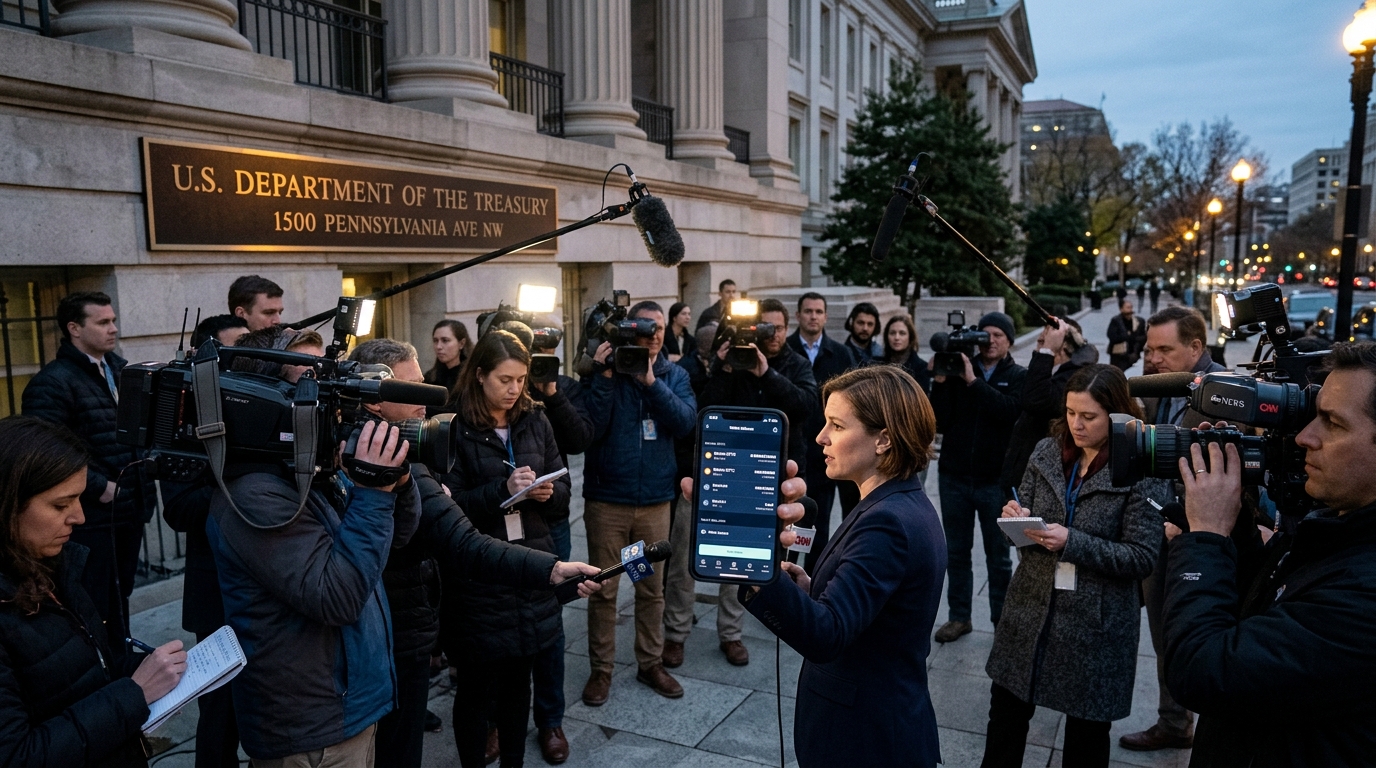
Crypto Framework Push Revives U.S. Market-Structure Focus
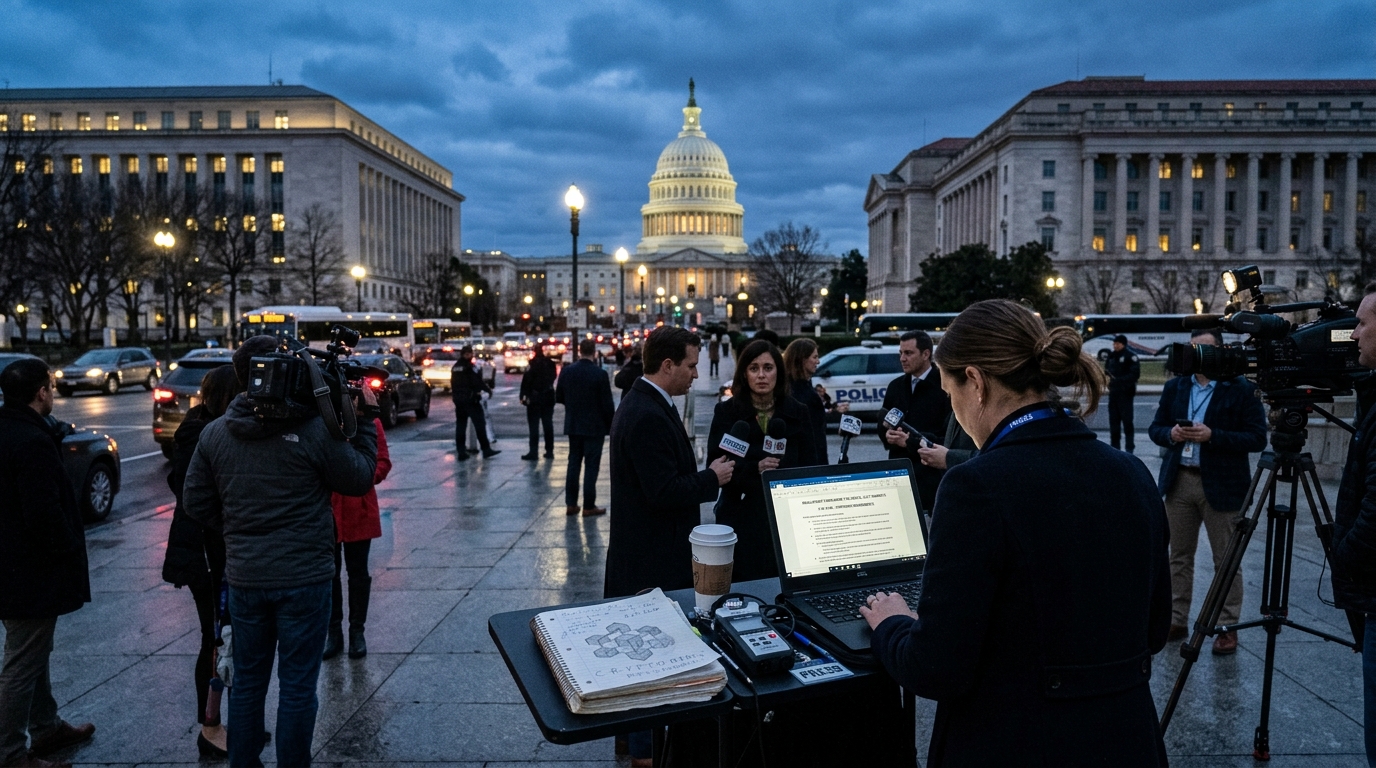
U.S. crypto regulation moved back to the center of the market narrative after Cointelegraph reported that the CFTC joined the SEC in proposing a crypto framework following the failed CLARITY vote. In a separate development, Cointelegraph also reported that S&P Global is bringing risk assessments to the crypto lending vault sector. Taken together, the headlines point to the same conclusion: digital assets are still in a transition from fragmented oversight toward a more formal market structure.
This is notable not because it guarantees a single policy outcome, but because it shows the regulatory process is continuing even without a clean legislative breakthrough. For crypto markets, that matters as much as price action. Reader data on MarketPro has consistently shown stronger interest in regulation and structure than in standalone token moves, and today’s headlines fit that pattern directly.
Why the framework story matters
The failed CLARITY vote, as referenced by Cointelegraph, appears to have left unresolved questions about how crypto should be supervised in the United States. The new headline suggests regulators are not waiting passively for Congress to settle every detail. Instead, agencies are still looking for ways to define oversight boundaries and operating rules.
That can matter for exchanges, custodians, token issuers and lending platforms because uncertainty over jurisdiction has been one of the industry’s biggest recurring constraints. When firms do not know which regulator has authority over which activity, compliance costs rise and product development can slow. Even a proposed framework, if it clarifies responsibilities, can become market-relevant before any final rules take effect.
S&P Global’s move adds a second signal
Cointelegraph’s separate report that S&P Global is bringing risk assessments to crypto lending vaults adds another layer to the story. Risk-assessment tools from established financial-information providers can serve as an indicator that a market segment is maturing operationally, even if it remains volatile or politically contested.
Crypto lending has often sat near the fault line between innovation and financial-stability concerns. More formal risk review does not remove those concerns, but it can make them more legible to institutions, counterparties and supervisors. In practical terms, that may support more standardized analysis of credit, collateral or structural risks across products that previously looked opaque to mainstream finance.
Market implications beyond token prices
These developments are more important than a routine “crypto up” or “crypto down” session because they shape the market’s plumbing.
- Regulatory clarity: A joint SEC-CFTC framework effort could reduce uncertainty around oversight, according to Cointelegraph.
- Institutionalization: S&P Global’s reported move into crypto lending-vault risk suggests deeper integration of traditional risk disciplines.
- Capital allocation: Investors often respond more positively to clearer rules than to ambiguity, even if regulation itself is stricter.
- Competitive dynamics: Firms with stronger compliance capabilities may benefit if reporting and supervisory standards rise.
There is also a broader macro backdrop. Cointelegraph separately reported that Treasury yields at 5% are threatening the extension of Bitcoin’s best quarter since 2017. That means crypto is not operating in a vacuum: market structure is tightening at the same time that higher yields are competing for investor attention. Regulatory progress alone does not guarantee stronger asset prices when the cost of capital remains high.
Why this is a better signal than pure price coverage
Short-term price headlines can attract attention, but they often age quickly. Policy and market-structure changes, by contrast, can shape the industry for quarters or years. A proposed framework from the SEC and CFTC, paired with deeper third-party risk assessment in crypto lending, suggests the digital-asset ecosystem is moving further into a phase where governance and infrastructure matter as much as speculation.
That does not mean the sector’s core tensions are resolved. Questions around securities treatment, commodities jurisdiction, consumer protection and stable market access are still likely to remain. But today’s headlines indicate that the institutional architecture around crypto continues to develop even amid political setbacks.
Neutral outlook
According to Cointelegraph reports, U.S. regulators and market-infrastructure providers are both pressing ahead on crypto oversight and risk tools after the failed CLARITY vote. The near-term effect may be greater focus on compliance, disclosure and product structure, while the broader implication is that crypto’s next phase may be defined less by momentum trading and more by how durable its regulatory foundations become.
MarketPro reports are AI-assisted analyses of publicly reported market news. Not investment advice.