Russian Gold Trade Shifts Toward Hong Kong
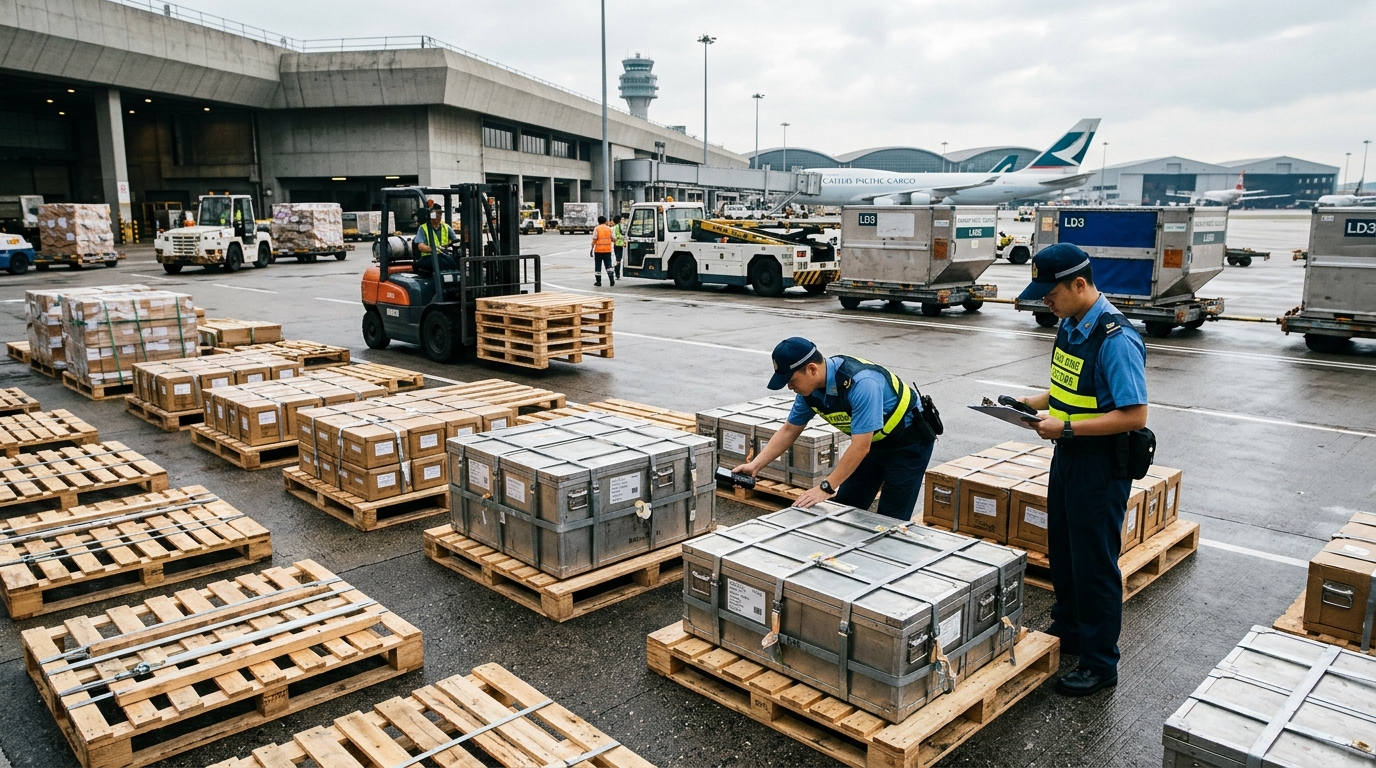
The global bullion market is being reshaped again as Russian gold increasingly flows into Hong Kong, according to a CNBC report. The headline underscores a broader reality for commodities markets: Western sanctions do not simply halt trade, they often reroute it, creating new hubs, new intermediaries and new centers of influence.
For gold traders and policymakers alike, that shift matters. Gold occupies a special place in the global financial system because it functions both as a commodity and as a reserve-like asset. When major supply flows are redirected, the impact can extend beyond physical delivery and refining into financing, storage, trade settlement and benchmark relevance across regions.
Why Hong Kong matters
Hong Kong has long served as a gateway between international capital and Greater China. In bullion markets, the city offers infrastructure, logistics capabilities and market access that can make it an attractive transit and trading point. According to CNBC, the increase in Russian gold moving there shows how sanctions pressure is redrawing the map of precious-metals commerce rather than eliminating demand for the metal.
That does not necessarily mean one center replaces another overnight. But it does suggest that Asian trading venues and logistical channels can gain market share when Western systems become less accessible to sanctioned-origin material. Over time, that can affect where inventories accumulate, which counterparties become more important and how regional pricing influence evolves.
Sanctions and commodity rerouting
Commodity sanctions often create layered market effects. The first effect is obvious: traditional buyers, banks or clearing pathways may step back. The second is more structural: alternative routes emerge, sometimes through jurisdictions with strong logistics capacity or a different regulatory posture. According to CNBC’s report, Russian gold entering Hong Kong is a live example of that second effect.
For market participants, rerouted trade can change transaction costs, delivery timing and counterparty risks. It may also deepen the role of non-Western trade networks in sectors that were once more closely centered on London, New York or other established financial hubs. In bullion, where trust, certification and custody are critical, those shifts are especially significant.
What this could mean for the gold market
Investors should be careful not to overstate the immediate price impact from one trade-flow headline. Still, the strategic implications are notable.
- Regional influence: More bullion activity in Hong Kong could increase Asia’s importance in physical gold distribution and trade financing.
- Market segmentation: Sanctions can contribute to a more fragmented global market, with different channels for sanctioned and non-sanctioned supply.
- Operational adjustments: Refiners, shippers, vault operators and traders may need to adapt to new compliance and logistics patterns.
- Policy relevance: Governments monitoring sanctions effectiveness will likely watch whether rerouted commodity flows reduce pressure on targeted exporters.
The timing is also notable because gold remains in focus as a macro hedge. Investing.com separately reported that gold was holding near $4,140 as dollar and yield strength offset lower Federal Reserve hike expectations. While that headline is about price behavior rather than Russian supply, it shows gold is already trading in a complex environment where monetary policy, safe-haven demand and physical flows all matter at once.
Broader cross-border implications
The story is not just about precious metals. It is also about the adaptability of global trade. Sanctions can reshape the geography of commerce, and once new networks become established, they can persist even after the original shock fades. Hong Kong’s role in Russian gold flows may therefore offer a window into a wider pattern affecting energy, industrial materials and financial settlement channels.
That is one reason this development has importance for readers beyond the commodities niche. It touches on geopolitics, Asia’s market infrastructure and the continuing decentralization of some global trade functions away from traditional Western systems.
Neutral outlook
According to CNBC, Russian gold’s growing presence in Hong Kong highlights how sanctions are changing trade routes rather than freezing commodity movement altogether. The near-term market impact may be operational more than directional, but the longer-term signal is clear: bullion flows are becoming more regionally redistributed, and investors will be watching whether that shift broadens into a deeper reordering of commodity-market influence.
MarketPro reports are AI-assisted analyses of publicly reported market news. Not investment advice.