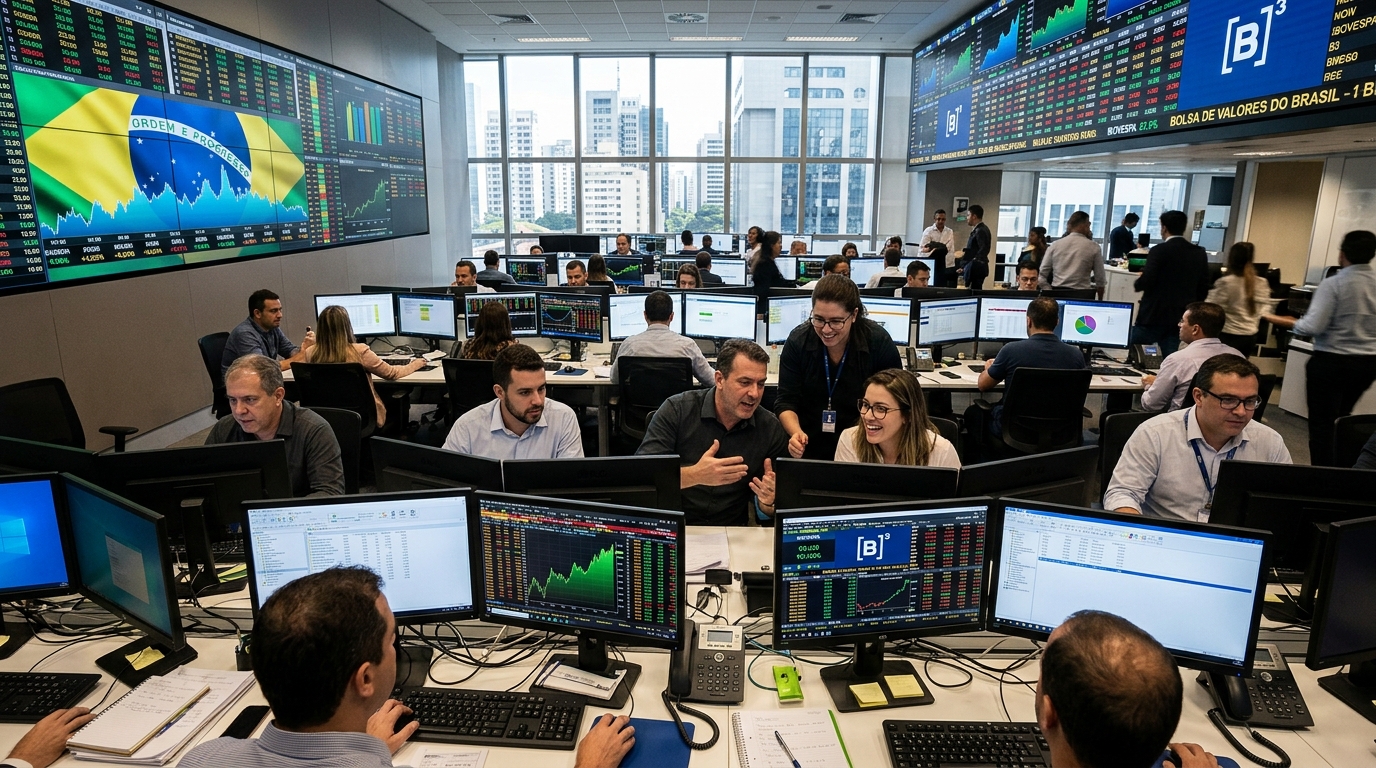
Brazil vote puts real and rates in focus for Wall Street
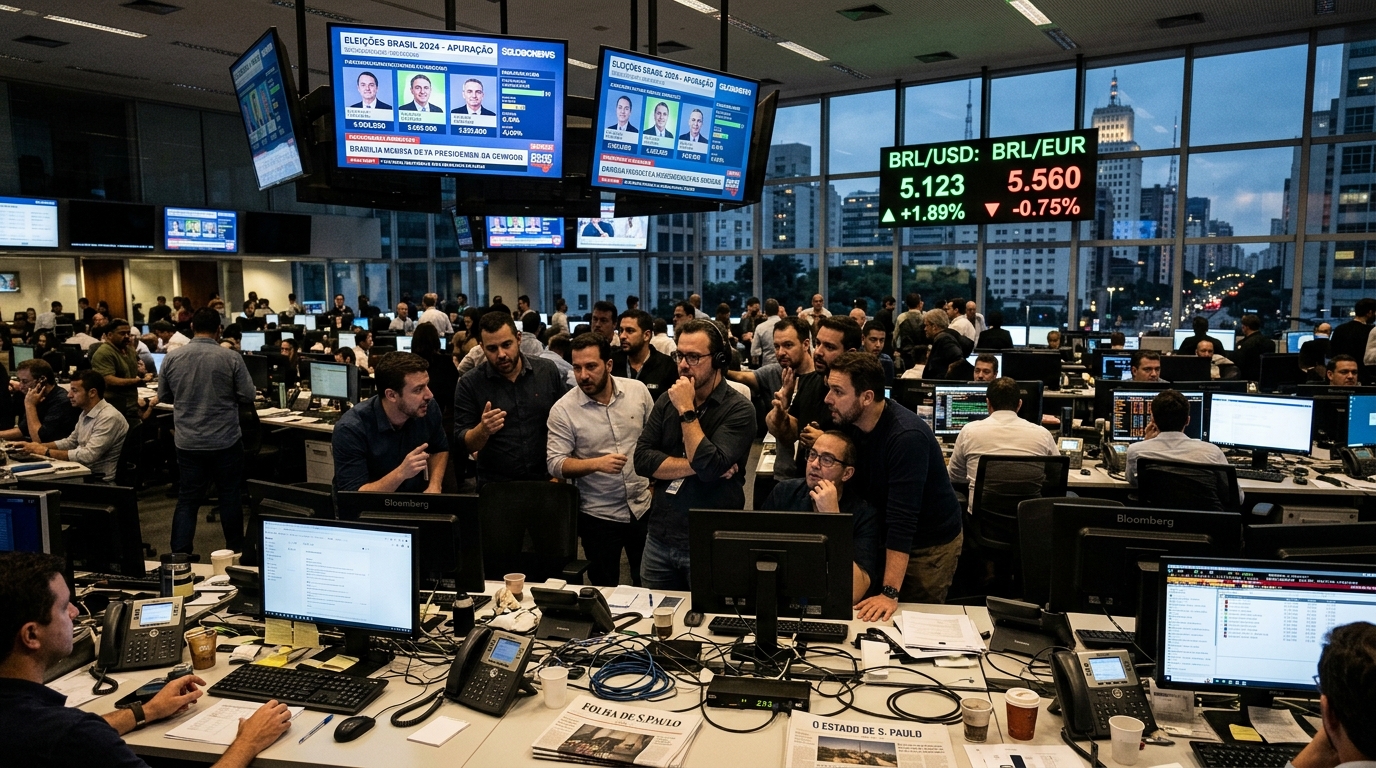
Brazil’s election has moved back to the center of foreign-exchange risk, with investors focusing on what sharply different political outcomes could mean for the real, local interest rates and broader emerging-market positioning.
According to a CNBC report, Wall Street is preparing for two very different scenarios depending on whether Luiz Inácio Lula da Silva or Jair Bolsonaro prevails. The market focus is less about headline politics than about the policy mix that follows, especially fiscal discipline, state involvement in the economy and the likely path for domestic borrowing costs.
That broad concern over yields also showed up elsewhere in global markets on Friday. According to Investing.com, U.S. Treasury Secretary Scott Bessent said rising Treasury yields reflect a broader global trend and are not, in his view, a cause for alarm. While that headline is not about Brazil directly, it matters for the backdrop facing the real: higher global yields can make investors more selective about emerging-market risk and raise the premium demanded for currencies with election-linked uncertainty.
Why the real matters beyond Brazil
Brazil is one of the largest and most liquid emerging markets, so election outcomes there can affect more than domestic assets. Currency traders often use the real as a barometer for risk appetite across Latin America, and fixed-income investors watch Brazil closely because fiscal credibility has an outsized effect on local rates.
If investors believe an incoming administration would loosen fiscal policy or increase intervention in major industries, that could weigh on the real and keep pressure on bond yields. If markets see a clearer commitment to budget discipline, the reaction could be more supportive for the currency and local debt.
The real’s sensitivity is heightened because Brazil combines commodity exposure, deep local capital markets and a history of sharp policy swings. That makes election periods especially important for global macro funds, which often treat Brazil as both a country-specific trade and a broader emerging-market signal.
Global yield backdrop adds pressure
The timing is important. Even if Brazil’s domestic story is the main driver, global bond-market conditions can amplify any election result. According to Investing.com, Bessent argued that higher Treasury yields are part of a global move rather than an isolated U.S. issue. For currency markets, that means investors may be less willing to overlook political uncertainty in higher-yielding markets.
In practical terms, a firm global yield environment can limit the room for emerging-market currencies to rally unless local fundamentals are especially convincing. That does not determine how Brazil’s assets must trade, but it raises the importance of post-election signals on spending, taxation and central-bank independence.
What markets are likely to watch immediately
- Fiscal messaging: Any indication on budget rules, public spending and debt management.
- Cabinet and economic team choices: Investors often look for early clues on pragmatism versus ideology.
- Central-bank relationship: Signals on monetary-policy independence can shape rate expectations quickly.
- State-enterprise policy: Views on privatization, pricing and industrial policy can influence equity and FX sentiment.
Why this is a forex story first
Election coverage often starts with equities, but the foreign-exchange market is typically the fastest place where investor conviction appears. The real can react quickly to changing odds, and moves in the currency often ripple into local bonds and then equities.
That is why the Brazil vote matters beyond a single day’s political result. Investors are trying to judge whether the next administration would reduce uncertainty or prolong it at a time when global capital is already navigating a tougher rates environment.
According to CNBC, Wall Street’s core concern is that the two candidates imply markedly different economic paths. According to Investing.com, global yields remain a key external constraint. Put together, those two factors explain why the real is likely to remain under close scrutiny.
Neutral outlook: The immediate market reaction will likely depend on how quickly the election outcome is followed by credible signals on fiscal policy, institutions and the government’s economic team.
MarketPro reports are AI-assisted analyses of publicly reported market news. Not investment advice.