CFTC event-contract push adds pressure to prediction markets
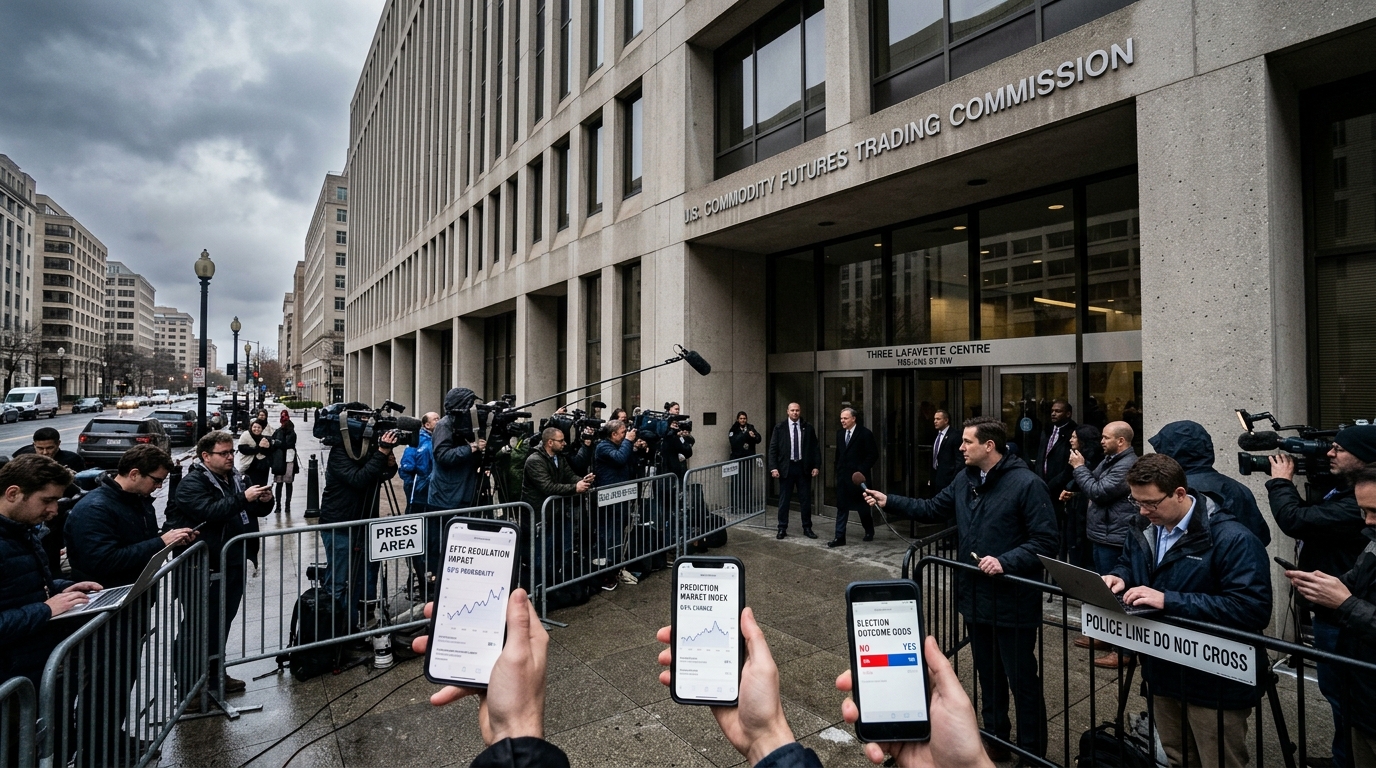
U.S. digital-asset and derivatives markets are facing another regulatory inflection point after Cointelegraph reported that the Commodity Futures Trading Commission is seeking to define event contracts as swaps amid an ongoing fight over prediction markets. While the headline does not provide full rule text, the framing alone is significant for traders, platforms and investors tracking the boundary between financial derivatives and emerging online markets.
The importance of the story goes beyond niche legal terminology. If event contracts are treated as swaps, the compliance burden around offering, clearing and trading them can change materially. That would matter not only for dedicated prediction-market operators, but also for crypto-adjacent platforms that have tried to position themselves as part of a broader digital marketplace for user-generated or tokenized exposure.
Why classification matters
In U.S. markets, legal classification often determines who can offer a product, who can trade it and under what conditions. A contract deemed a swap may face a very different supervisory regime from one viewed as a different form of event-based instrument. That makes the CFTC’s apparent push relevant to market structure, not just enforcement.
Readers of crypto markets have become increasingly focused on this kind of “plumbing” question. Today’s other digital-assets headlines support that trend. Cointelegraph also reported that Base completed its Cobalt upgrade and added new tools for tokenized assets, highlighting that infrastructure buildout continues even as regulators look more closely at what kinds of products can sit on top of that infrastructure. In another sign of institutionalization, Cointelegraph said Bloomberg is bringing onchain stablecoin data to its Terminal, although that specific story has already been recently covered by MarketPro and is not the focus here.
What links these developments is a shift in investor attention. The industry conversation is moving from broad adoption claims toward narrower questions about compliance, settlement rails and product design. That is especially true in the United States, where agencies continue to influence crypto market development through definitions as much as through outright bans or approvals.
Potential implications for platforms
For prediction-market firms, a tougher stance could raise operating uncertainty. It could also affect liquidity if users, market makers or service providers pull back while they assess the regulatory perimeter. Platforms that rely on retail participation may be particularly sensitive if legal ambiguity discourages access or payment support.
At the same time, stricter definitions can benefit better-capitalized operators that are able to invest in legal, compliance and institutional workflows. That pattern has played out across other parts of crypto, where periods of rulemaking pressure have often favored larger exchanges, custodians and infrastructure providers over smaller startups.
The headline may also matter for traditional finance participants. Event contracts have increasingly drawn attention because they sit at the intersection of trading, information markets and public-policy debate. A formal push to categorize them more tightly could influence how brokerages, futures intermediaries and technology vendors approach the space.
Why this fits current reader demand
Among MarketPro readers, crypto regulation and market-structure stories have consistently outperformed more speculative token coverage. That makes sense in the current environment: institutional readers and active market participants often care less about headline price targets than about the rules that shape who can participate and how markets clear.
Today’s CFTC story fits that pattern particularly well because it has consequences beyond one token or one company. A shift in how event contracts are defined could alter the competitive landscape for prediction markets, affect platform design decisions and influence how investors evaluate regulatory risk across adjacent crypto businesses.
What to watch next
The next key step will be whether the CFTC provides more detailed language, formal guidance or enforcement follow-through that clarifies the practical meaning of this classification effort. Market participants will also watch how platforms respond — whether by changing product offerings, tightening access or pursuing new legal arguments.
For now, today’s headline reinforces a broader market lesson: in crypto, legal definitions increasingly shape commercial outcomes. Infrastructure may keep improving, but the products built on top of it still depend heavily on how regulators draw the lines.
Neutral outlook: The CFTC’s apparent move adds uncertainty for prediction-market operators in the near term, while also underscoring that crypto-related market structure remains one of the most important themes for institutional and retail participants alike.
MarketPro reports are AI-assisted analyses of publicly reported market news. Not investment advice.