China bank closures spotlight strains in financial system
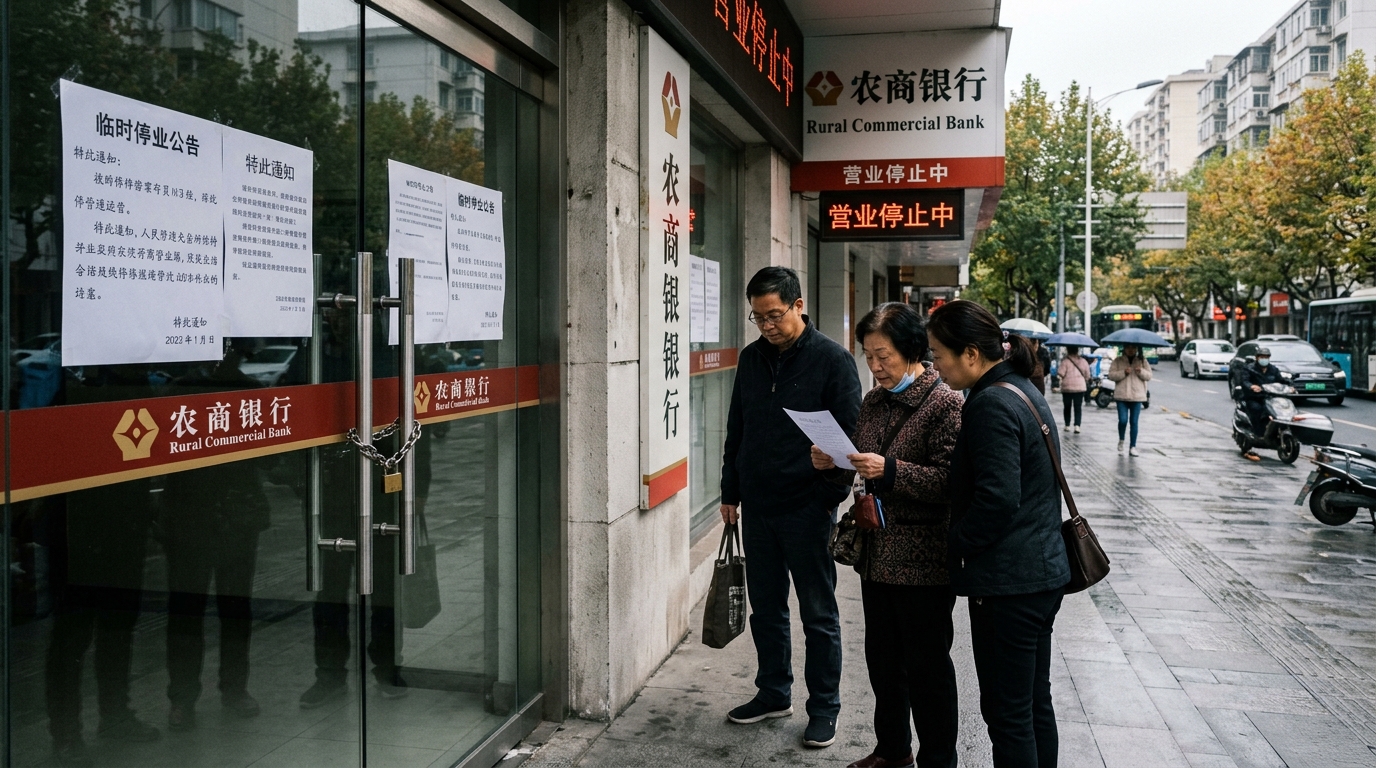
China’s decision to shut hundreds of banks is emerging as an important signal for investors tracking financial stability, credit conditions and the wider growth outlook in the world’s second-largest economy. According to a CNBC report, Beijing is closing large numbers of smaller lenders as part of a broader effort to shore up the country’s financial system.
The development matters beyond the banking sector itself. Small and regional banks have long played an outsized role in channeling credit to local governments, property-linked projects and smaller businesses. When authorities move to accelerate closures or consolidation, markets tend to read it as a sign that policymakers are trying to get ahead of deeper balance-sheet stress rather than simply tidy up the sector.
Why these closures matter now
China has spent years trying to contain risks tied to property weakness, local-government debt and uneven regional growth. In that context, the closure of hundreds of banks suggests officials are prioritizing control, consolidation and depositor confidence.
CNBC reported that Beijing’s goal is to strengthen the financial system. That fits a broader pattern in Chinese policymaking: authorities often prefer gradual restructuring over disorderly failures, especially in sectors with direct implications for social stability and credit creation.
For markets, the key question is whether this process remains a managed clean-up or becomes evidence of wider financial strain. Smaller lenders can be especially vulnerable when loan quality deteriorates, funding costs rise or confidence weakens. Because many of these institutions are closely tied to local economies, pressure on them can also reflect stress in the regions they serve.
Potential market implications
The immediate impact is less about a single listed stock or one isolated transaction and more about what the policy move says about the Chinese economy.
- Credit transmission: If regional lenders pull back, smaller businesses and local borrowers could face tighter financing conditions.
- Property and local debt exposure: Investors may revisit assumptions about how much unresolved stress remains in real estate and local-government financing channels.
- Policy expectations: A faster clean-up could increase expectations for further state support or targeted easing measures elsewhere in the economy.
- Risk sentiment: Any sign that China’s banking system is under renewed pressure can affect broader sentiment across Asian assets and global growth-sensitive sectors.
Beijing’s challenge is to reduce systemic risk without triggering new doubts about confidence in deposits, local credit markets or regional growth. That balancing act is familiar to investors who have watched Chinese authorities intervene repeatedly to contain stress while avoiding a shock large enough to spill across the economy.
What investors will watch next
The current headline does not, on its own, establish the scale of losses or identify a specific immediate market disruption. But it does point to an area that deserves close attention.
Investors are likely to focus on whether officials provide more detail on how the closures are being handled, whether some institutions are being merged rather than liquidated, and whether broader support measures emerge for local banking systems. Any evidence of deposit guarantees, recapitalization efforts or directed mergers would reinforce the view that authorities are aiming for controlled restructuring.
Another issue is whether this clean-up remains largely ring-fenced. If pressure at smaller banks starts to coincide with weaker economic data, renewed property stress or tighter credit conditions, market concern could spread beyond the financial sector.
China’s banking story also matters globally because it intersects with demand expectations, commodity consumption and broader confidence in the world economy. A more fragile credit backdrop in China can influence everything from industrial activity to corporate earnings expectations for multinational companies exposed to Chinese demand.
Why this is a market story, not just a policy story
Bank closures in China are easy to frame as a domestic regulatory issue, but their significance is wider. They offer a window into how Beijing views underlying vulnerabilities at a time when investors are already sensitive to fiscal stress, growth durability and financial fragmentation around the world.
According to CNBC, the official aim is to shore up the system. Markets will now judge whether that objective is being achieved through orderly consolidation or whether the pace of closures points to more entrenched strains underneath. The neutral outlook for now is that this looks like a managed restructuring effort, but one that keeps pressure on investors to monitor Chinese credit conditions closely.
MarketPro reports are AI-assisted analyses of publicly reported market news. Not investment advice.