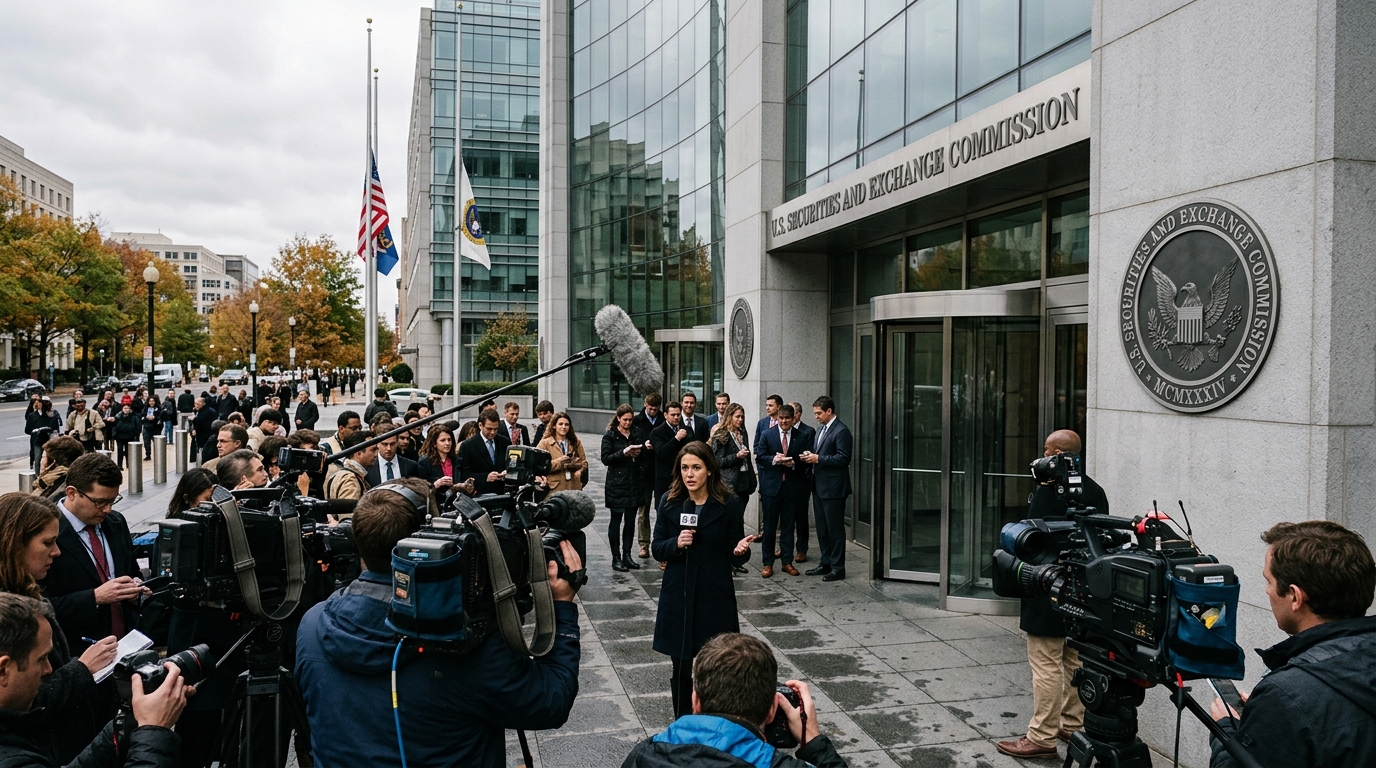
Coinbase Clearing Win Marks New U.S. Crypto Market Step
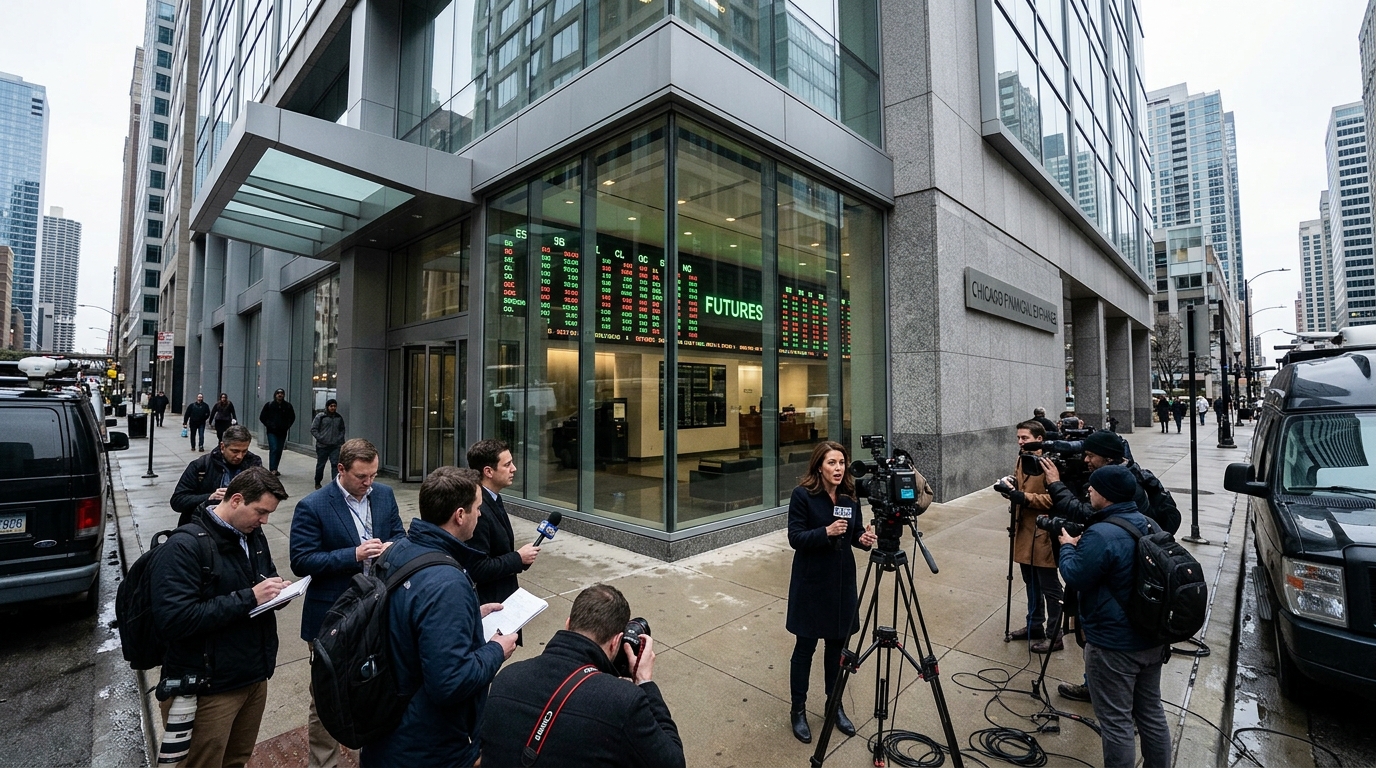
Coinbase has received approval from the U.S. Commodity Futures Trading Commission for a U.S. derivatives clearinghouse, according to Cointelegraph, marking a notable development in the buildout of regulated crypto market infrastructure.
The approval matters because clearing is a core part of financial market plumbing. A clearinghouse stands between buyers and sellers to help manage counterparty risk and settlement, making it central to how derivatives markets function. For crypto, that makes the development more than a company-specific milestone: it points to continued institutionalization of parts of the sector under existing U.S. regulatory frameworks.
Why the approval stands out
Crypto regulation headlines often focus on enforcement actions, legal disputes or political debate. This story is different. According to Cointelegraph, the CFTC approval signals that at least some crypto-linked market structure is advancing through formal channels rather than only being contested after the fact.
That does not mean the broader U.S. regulatory picture is settled. In fact, it highlights how fragmented that picture remains. Different agencies continue to shape different corners of the digital-asset market, and the route forward still depends heavily on product type and jurisdiction. But a derivatives clearing approval suggests the CFTC-regulated side of crypto may be gaining operational depth.
Why clearing matters to markets
- Risk management: clearinghouses are designed to reduce counterparty and settlement risk.
- Institutional access: stronger market infrastructure can make participation more workable for larger or more risk-sensitive firms.
- Market maturity: regulated post-trade systems are often viewed as a sign that an asset class is becoming more integrated with traditional finance norms.
For traders and market observers, the key takeaway is that crypto adoption is not only about token prices or exchange volumes. It is also about the less visible infrastructure underneath the market. That includes custody, compliance, collateral systems and clearing arrangements.
A wider thaw in capital markets?
The headline also lands alongside other signs that crypto capital markets may be reopening in selective ways. Cointelegraph separately reported that Blockchain.com is eyeing a $500 million IPO, citing a report. While that is a different company and remains a separate development, together the headlines point to a sector increasingly focused on regulated access, funding and institutional credibility.
Still, the Coinbase approval should be treated on its own terms. The confirmed fact here, according to Cointelegraph, is that the CFTC has granted approval for a U.S. derivatives clearinghouse. Questions about eventual trading volumes, competitive impact and broader policy spillovers remain open.
What this could mean for the U.S. market
For the U.S., the development may strengthen the case that crypto activity is not moving in a single direction under regulation. Even while some areas face legal pressure, others are gradually gaining formal structure. That distinction matters for how investors, lawmakers and institutions assess the sector.
It may also intensify attention on the divide between spot-market oversight and derivatives oversight. The CFTC has long been viewed by parts of the industry as comparatively more workable for certain products than other regulatory routes. A clearing approval does not resolve that debate, but it reinforces the importance of market structure in it.
What to watch next
- Implementation: how quickly Coinbase translates approval into market activity.
- Institutional response: whether the approval encourages broader use of regulated crypto derivatives infrastructure.
- Policy reaction: whether the move shapes future U.S. discussions around crypto market structure.
Neutral outlook: According to Cointelegraph, Coinbase’s CFTC clearing approval marks a concrete regulatory advance for one segment of the U.S. crypto market, but its larger significance will depend on how the infrastructure is used and how the wider policy environment evolves.
MarketPro reports are AI-assisted analyses of publicly reported market news. Not investment advice.