SEC Follows CFTC With New Crypto Staff Guidance
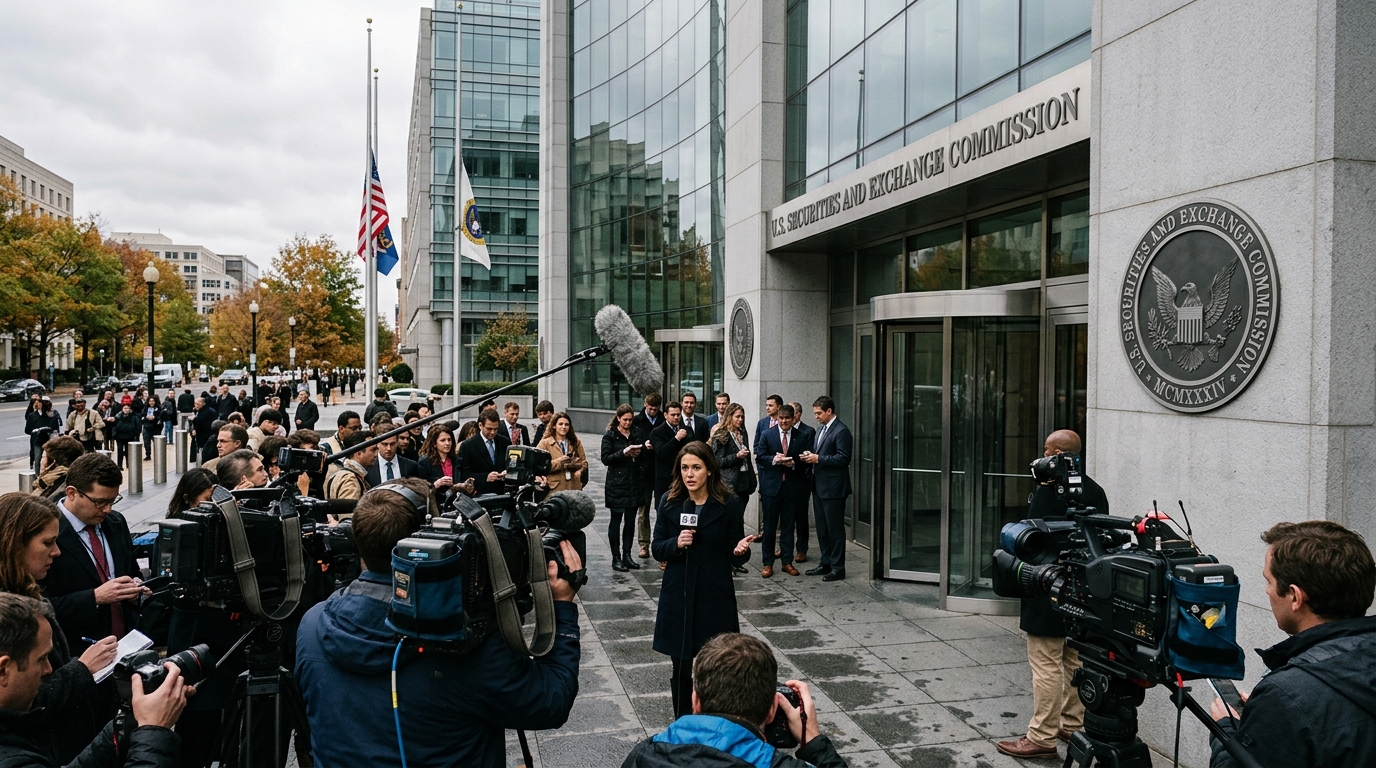
U.S. crypto regulation is back in focus after the SEC followed the CFTC in issuing staff guidance for crypto, according to Cointelegraph. While the headline does not detail the full contents of the guidance, the sequencing itself is notable for markets: two major U.S. regulators are now tied to the same policy conversation within a short time frame.
That matters because digital-asset markets have often moved not only on enforcement actions, but also on signals about how agencies intend to supervise activity in practice. Staff guidance is not the same as legislation, and it does not carry the same weight as formal rulemaking. Still, it can shape compliance expectations, market structure decisions and risk appetite among firms operating in the sector.
Why the SEC-CFTC sequence matters
The U.S. regulatory landscape for crypto has long been marked by overlapping jurisdictions and uncertainty over which assets or activities fall under which agency. A development in which the SEC follows the CFTC with guidance suggests regulators may be trying to give the market more operational direction, even if broader legal questions remain unresolved.
For exchanges, brokers, custodians and token issuers, guidance can influence everything from disclosures and internal controls to product design and onboarding standards. For investors, the immediate market effect is often psychological as much as legal: clearer expectations can reduce some uncertainty, while new compliance signals can also raise costs or constrain certain business models.
Broader supervision theme is emerging
The U.S. update also fits a wider global pattern. Cointelegraph separately reported that in Europe, the focus under MiCA is shifting from rulemaking to supervision, citing comments from ESMA’s chair. Taken together, these headlines point to a broader regulatory transition: after years dominated by debates over what the rules should be, attention is increasingly shifting toward how those rules are enforced and monitored.
That change is important for market structure. In earlier stages, crypto markets often reacted most strongly to headline-grabbing bans, lawsuits or legislative proposals. In a more supervision-focused phase, the impact may become more gradual but more durable, affecting day-to-day operations, access to liquidity and the ability of firms to scale across jurisdictions.
Potential market implications
Although the available headline detail is limited, several implications stand out:
- Compliance expectations may rise: market participants may need to align more closely with regulator interpretations.
- Institutional participation could be affected: clearer guidance can help some firms engage, while stricter supervision may deter others.
- Product pathways may narrow or widen: depending on the substance, guidance can either support market development or tighten operational limits.
- Jurisdictional comparisons will intensify: firms may weigh U.S. oversight against European and other frameworks more carefully.
Another sign of institutional adaptation came from Cointelegraph’s report that Bybit will accept Franklin Templeton tokenized funds as trading collateral. That separate development suggests parts of the market are still moving ahead with tokenized financial products even as regulators refine supervisory expectations. In other words, policy and product innovation are advancing at the same time.
Why this is more than a legal headline
Crypto readers often focus on price reactions, but regulatory mechanics can have longer-lasting consequences than daily market moves. Guidance from the SEC and CFTC can shape which intermediaries are willing to operate, which products gain traction and how capital flows through the sector. That makes this a market-structure story as much as a policy story.
It is also relevant at a time when crypto capital markets appear to be reopening in places. Cointelegraph reported that Blockchain.com is eyeing a $500 million IPO, another sign that digital-asset firms are navigating a market environment where regulatory credibility increasingly matters.
Neutral outlook: The next step for markets is whether the SEC and CFTC guidance leads to more practical clarity or to additional uncertainty over compliance boundaries. Either way, supervision is becoming a larger driver of crypto-market direction.
MarketPro reports are AI-assisted analyses of publicly reported market news. Not investment advice.