Nvidia’s $150B Buyback Reshapes the AI Stock Debate
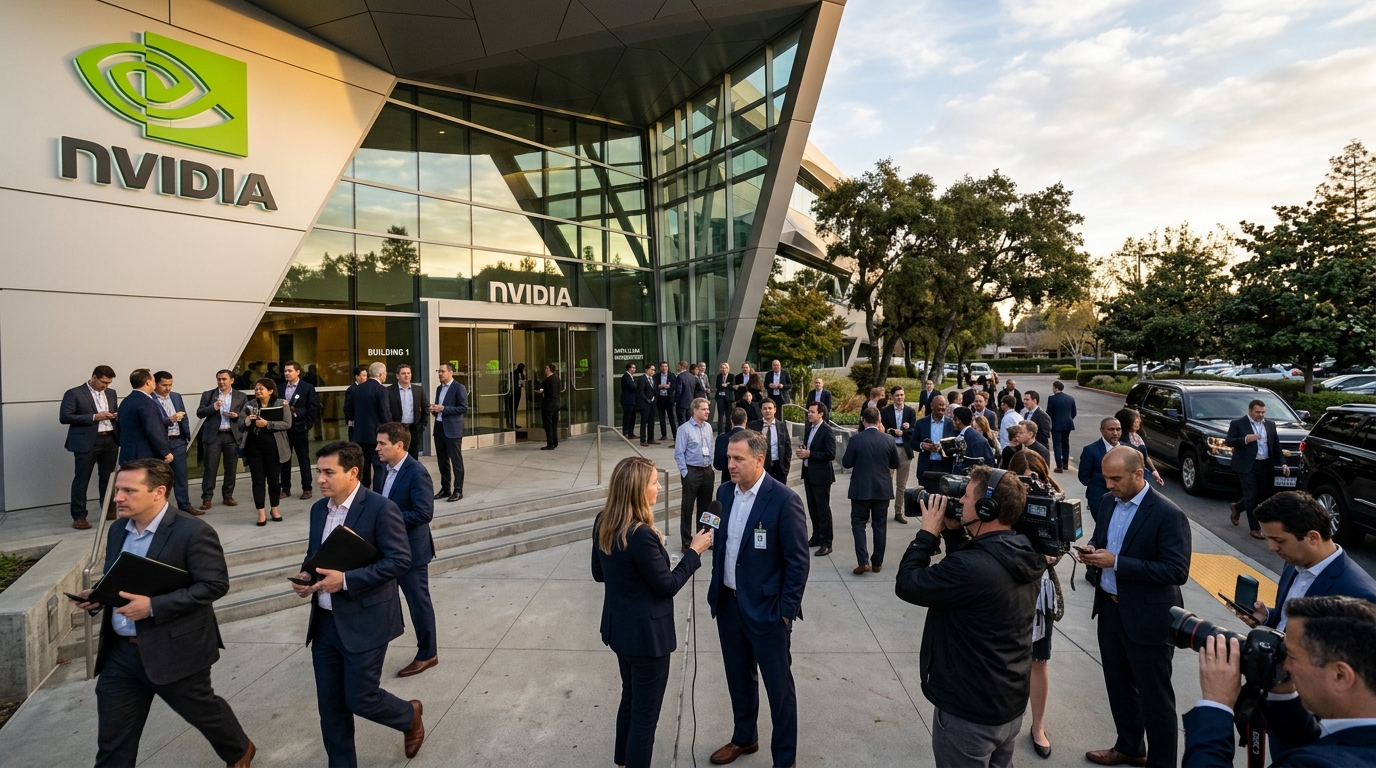
Nvidia has added a major new dimension to the AI equity story after announcing a $150 billion boost to its share buyback plan, a move highlighted by both CNBC and MarketWatch. The size of the authorization immediately drew attention because it goes beyond the usual quarterly earnings narrative and speaks directly to how management views capital allocation, valuation and durability of cash generation.
According to CNBC and MarketWatch reports, the buyback announcement was framed as historic in scale. That matters because Nvidia has become one of the central stocks in global equity markets, not just in U.S. technology indexes. Its weighting in benchmark indices, influence on semiconductor peers and role in the broader AI investment cycle mean any shift in its capital-return policy can ripple through market sentiment.
Why the buyback matters now
Buybacks are often read by markets as a signal that management believes a company’s shares remain attractive relative to other uses of cash. In Nvidia’s case, that signal lands at a time when debate around AI-linked valuations remains intense. Some investors have argued that the stock’s powerful run has already priced in years of growth, while others maintain that earnings momentum and strategic positioning still justify premium multiples.
MarketWatch emphasized that Nvidia’s move amounts to a strong statement on valuation. CNBC’s coverage similarly pointed to the scale of the authorization as a notable corporate-finance decision from one of the market’s most closely watched companies. Even without adding new forecasts, the message is clear: Nvidia is choosing to pair its AI growth narrative with an unusually large commitment to shareholder returns.
That combination is important for institutional investors. A company can be viewed as a high-growth leader, but when it also deploys very large buybacks, it starts to appeal to a wider group of market participants, including those looking for confidence in free-cash-flow generation and balance-sheet strength.
Broader read-through for the chip sector
Nvidia’s announcement is also likely to be interpreted as a read-through for the semiconductor complex. The AI chip trade has been driven not only by product leadership and demand expectations, but also by questions about whether spending by customers can remain elevated and whether margins can hold up over time.
A buyback of this size does not answer all of those questions, but it does suggest management sees room to invest in the business while still returning substantial capital. That can influence how investors think about other chipmakers and AI infrastructure names, especially those trading at elevated multiples but without the same cash generation profile.
For global markets, Nvidia’s importance goes beyond its own stock. It has become a sentiment barometer for AI-linked equities, data-center suppliers and portions of the broader U.S. growth trade. When Nvidia makes a balance-sheet decision of this scale, it can affect how investors price risk across the technology sector more generally.
What investors may focus on next
After the headline impact, the market is likely to focus on execution and timing. A buyback authorization does not require immediate repurchases, but it expands management’s flexibility. Investors will watch for how aggressively Nvidia uses that authorization over time and whether the pace aligns with periods of volatility or valuation resets.
Another area of attention will be the relationship between buybacks and continued AI capital spending. Nvidia remains central to a global buildout in AI compute infrastructure, and markets will want reassurance that capital returns are complementing, not constraining, long-term strategic investment.
There is also a psychological element. In a market where large-cap technology leadership has done much of the heavy lifting for major indexes, actions from the largest names can shape confidence well beyond their own earnings reports. A buyback of this size may reinforce the view that the leading AI companies still see substantial financial strength underneath the rally.
Key market implications
- Valuation signal: The move can be read as management confidence in the company’s longer-term value.
- Sector influence: Nvidia’s decisions often spill over into sentiment around semiconductors and AI infrastructure stocks.
- Index impact: As a major benchmark component, Nvidia can influence broader U.S. and global equity tone.
- Capital discipline: The buyback adds a shareholder-return layer to the company’s growth story.
Neutral outlook: The buyback announcement strengthens Nvidia’s market narrative, but the next phase for the stock and the wider AI trade will still depend on demand durability, earnings delivery and how investors balance growth expectations against already elevated market importance.
MarketPro reports are AI-assisted analyses of publicly reported market news. Not investment advice.