China’s weak August profit data tests commodity demand mood
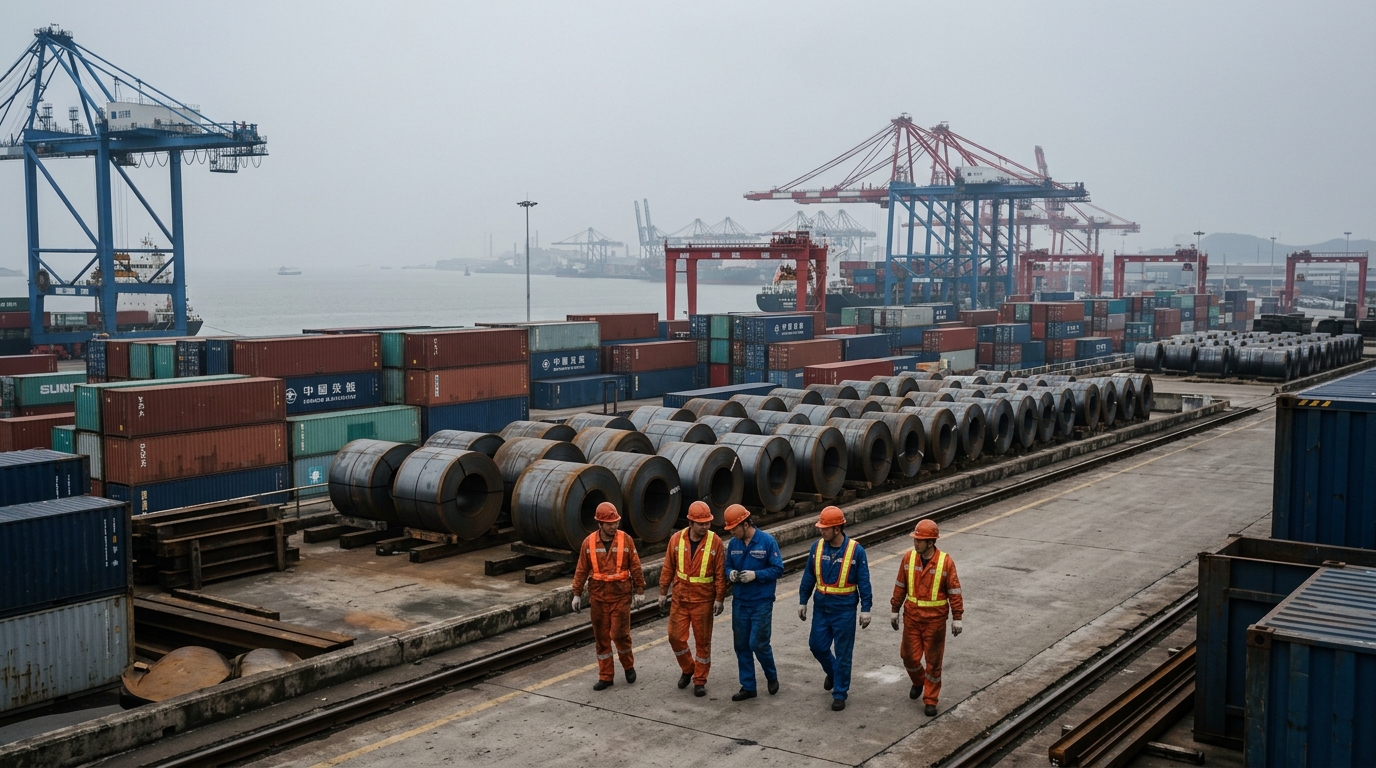
China’s latest industrial profit figures are adding to market caution around the demand outlook for commodities, particularly at a time when investors are trying to balance policy support signals against signs of softer underlying momentum.
According to CNBC, China posted its weakest industrial profit growth of the year in August, with profits expanding 4.2%. While the headline still indicates growth rather than contraction, the fact that it marks the slowest pace this year is significant for commodity markets that depend heavily on China’s industrial cycle.
China is a central source of demand for a wide range of raw materials, from industrial metals to energy inputs. Because of that, any evidence of softer profit momentum in the factory sector can quickly influence market thinking on future purchasing activity, inventory behavior and production plans.
Why industrial profits matter for commodities
Industrial profit data is not a direct measure of commodity imports, but it is closely watched as a gauge of business conditions in manufacturing and heavy industry. When profits grow more slowly, producers may become more cautious about expansion, capital spending and restocking. That in turn can affect expectations for demand across metal and energy markets.
The August reading may therefore matter less for what it says about one month in isolation and more for what it implies about the durability of China’s industrial recovery. Markets have repeatedly looked to Chinese data for confirmation that demand can absorb global supply and support pricing across cyclical sectors.
A weaker profit trend does not automatically mean immediate demand destruction. But it can cool sentiment, especially if investors were already questioning the strength of the manufacturing backdrop.
Cross-asset implications
Commodity traders are not the only ones likely to pay attention. Slower industrial profit growth in China can also influence:
- Commodity-linked currencies, especially where export exposure to Chinese industry is high.
- Mining and materials equities, which often trade on changes in the outlook for Chinese consumption.
- Energy markets, where industrial momentum can shape expectations for fuel demand.
The market reaction may depend on whether investors view the data as a temporary slowdown or part of a broader loss of momentum. Right now, the headline supports a more cautious interpretation of demand-sensitive sectors.
Balancing weak data against trade diplomacy
The profit figures arrive as China also signals a willingness to keep trade talks with the United States moving. According to Investing.com, Beijing said a U.S. trade-truce extension creates space to advance talks, and in a separate report said it would cut tariffs on some U.S. farm goods while excluding soybeans.
That combination creates a mixed picture for markets. On one side, softer industrial profit growth raises concerns about internal demand strength. On the other, a more stable trade backdrop could help reduce external pressure on manufacturers and supply chains.
For commodities, this means investors may need to separate short-term macro relief from the underlying demand pulse. Diplomatic progress can support sentiment, but hard industrial data still plays a major role in pricing expectations.
What investors will likely watch next
After a report like this, markets typically look for confirmation from other indicators tied to production and consumption. Additional factory, trade or credit data could shape whether August proves to be a temporary soft patch or a more persistent trend.
The importance of China to commodity pricing means even a moderate disappointment can have outsized market influence. When profit growth slows to the weakest pace of the year, traders often reassess how much support they should expect for materials demand in the near term.
That does not settle the outlook on its own. Commodity markets are still shaped by supply constraints, geopolitics and policy developments. But the latest China data adds a clear note of caution to the demand side of the equation.
Neutral outlook: China’s slower August industrial profit growth may weigh on commodity-demand sentiment, but markets will need additional data to judge whether it signals a broader slowdown or a temporary easing in momentum.
MarketPro reports are AI-assisted analyses of publicly reported market news. Not investment advice.