Diamond price slump deepens on glut and lab-grown shift
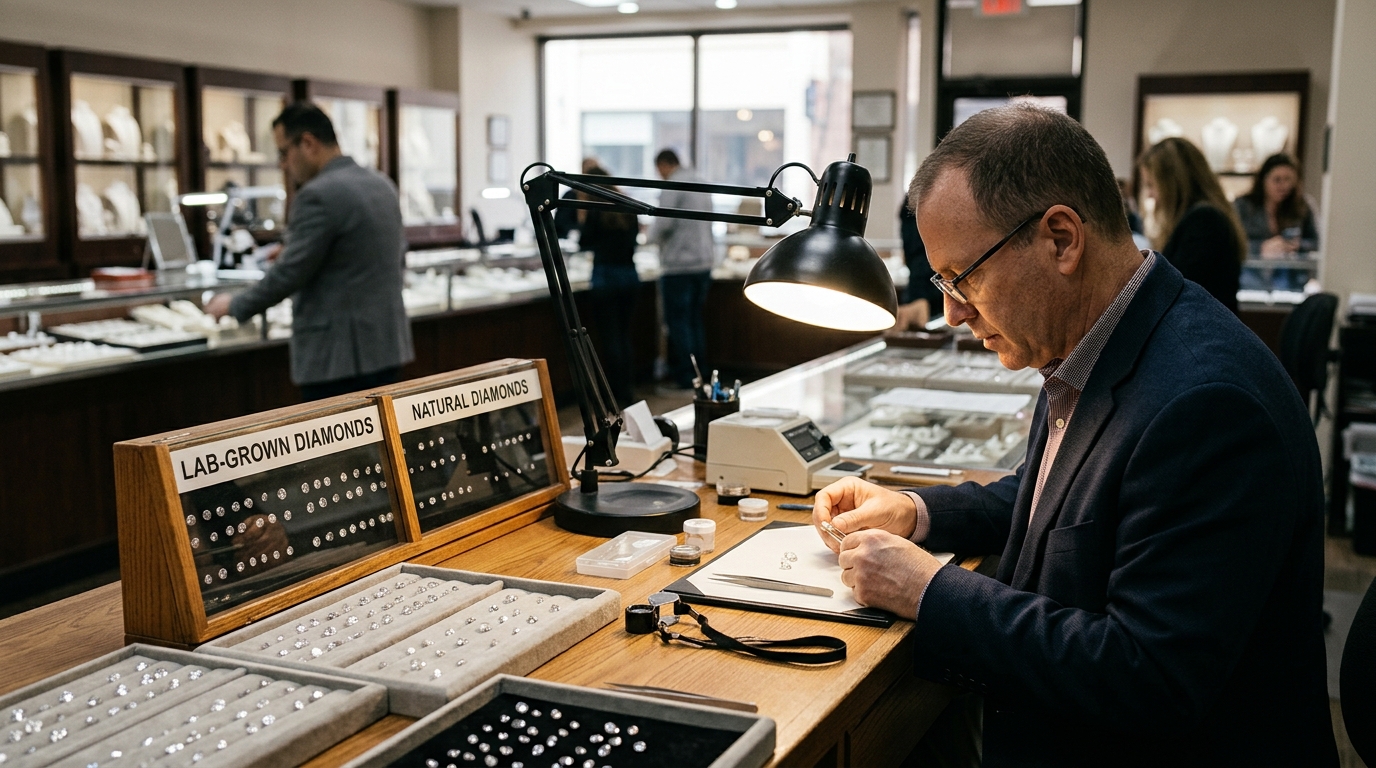
Diamond prices are facing renewed pressure as oversupply meets a structural shift in buyer preferences, adding to stress across the natural-stone supply chain.
According to a CNBC report, diamond prices have fallen to record lows as a supply glut collides with growing competition from lab-grown alternatives. That combination matters beyond the jewelry counter: it affects miners, cutters and polishers, trading hubs and luxury retailers that depend on pricing discipline and scarcity to protect margins.
The broad direction of the move also fits a wider luxury-market backdrop. CNBC separately reported that Audemars Piguet is still seeing strong demand for a specific collaboration despite a broader luxury watch slump and tariff pressure. Taken together, those reports suggest selective resilience in luxury spending, but much weaker pricing power where supply can expand and consumers can substitute more easily.
Why diamond prices are under pressure
The immediate issue is excess supply. When inventories build up in commodity-linked markets, producers and intermediaries often have to discount in order to move goods. In diamonds, that problem is magnified because the natural-stone market relies heavily on the perception of rarity. If too much stock is chasing too little demand, that scarcity narrative becomes harder to sustain.
CNBC said lab-grown diamonds are another major force behind the decline. That is important because lab-grown stones are not just a temporary demand headwind; they represent a technology-driven substitute product. As consumers become more comfortable with lower-priced alternatives, traditional sellers may find it harder to maintain premiums for many categories of natural stones.
For commodities watchers, this is a different kind of supply story than oil or metals. Diamonds are shaped less by industrial necessity and more by discretionary spending, branding and retail psychology. That makes the market particularly sensitive to changes in consumer behavior.
Market implications for miners and luxury names
Falling diamond prices can pressure upstream producers first, especially if output levels do not adjust quickly. Lower realized prices can weigh on revenue, inventories and project economics. Companies exposed to natural diamonds may also face a tougher pricing environment in contract negotiations and distribution channels.
Retailers and luxury groups face a more mixed picture. Lower input prices can help some merchants, but only if consumer demand remains healthy and if markdowns do not erode brand positioning. The risk is that the value perception of diamonds shifts in a way that hurts both wholesale and retail pricing.
This is where the contrast with the watch market is useful. CNBC’s separate report on Audemars Piguet showed that parts of the luxury space can still break sales records when exclusivity, branding and product storytelling remain strong. The diamond market appears more vulnerable because substitution from lab-grown stones is clearer and more direct.
What investors may watch next
- Producer response: Any signs of output cuts or supply discipline from natural-diamond producers.
- Retail pricing: Whether jewelers preserve margins or pass lower prices through to consumers.
- Consumer mix: Continued gains for lab-grown stones could reinforce the structural pricing shift.
- Luxury demand: Broader spending trends matter because diamonds remain a discretionary purchase.
A structural challenge, not just a cyclical one
Some commodity downturns reverse when supply tightens or demand recovers. Diamonds may be facing a more complicated adjustment. If lab-grown products keep expanding and buyers continue to accept them, the natural-diamond market may be dealing with a longer-term repricing rather than a short-lived inventory correction.
That makes the current slump notable for global markets readers. It is not simply a story about one luxury product becoming cheaper. It is also about how technology and substitution can weaken pricing power in markets that once depended heavily on controlled supply and premium branding.
According to CNBC, both oversupply and lab-grown competition are central to the latest decline. For miners, traders and luxury companies, the next phase will likely depend on whether supply is reduced and whether natural stones can still command a meaningful premium in a changing consumer market.
Neutral outlook: The near-term pressure on diamond prices looks significant, and the market response will likely hinge on supply discipline and the pace of substitution toward lab-grown stones.
MarketPro reports are AI-assisted analyses of publicly reported market news. Not investment advice.