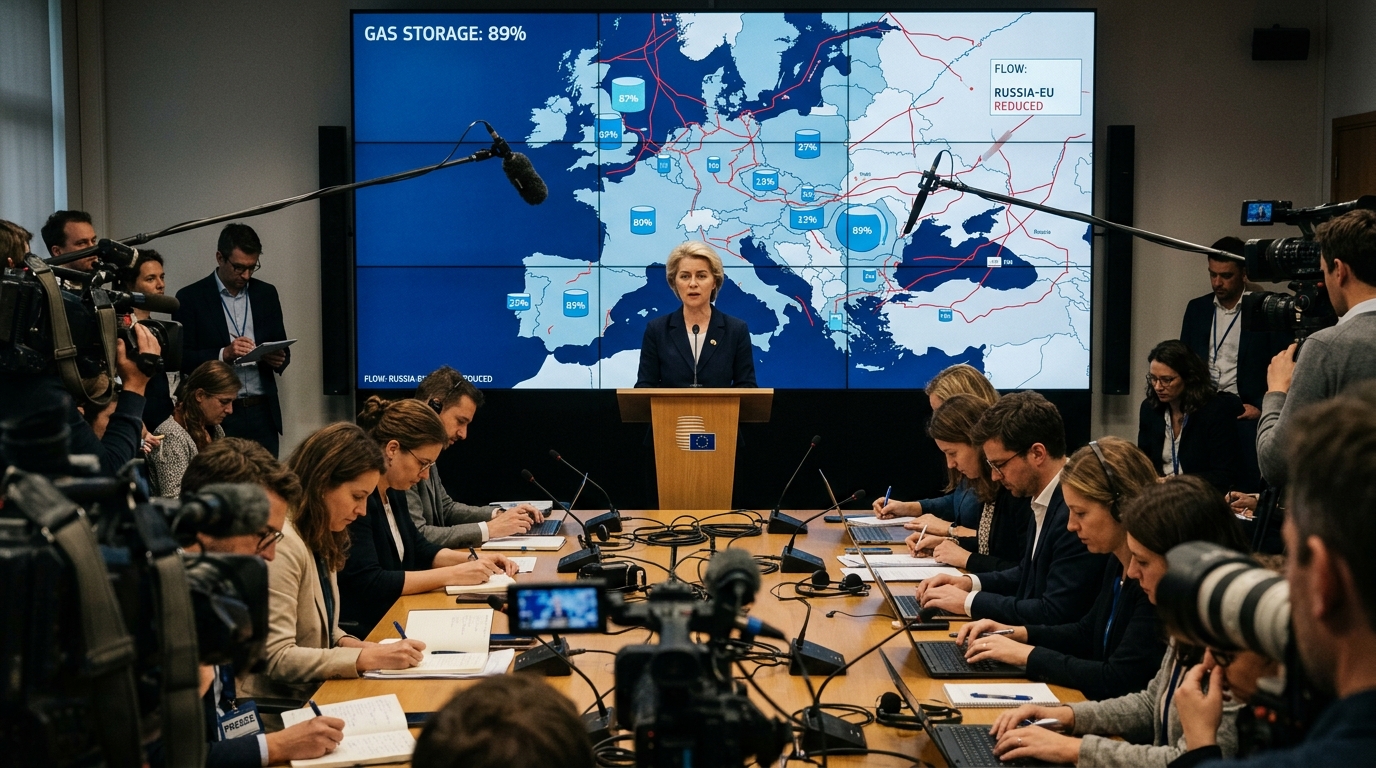
Iran-Hormuz standoff puts oil and shipping on alert
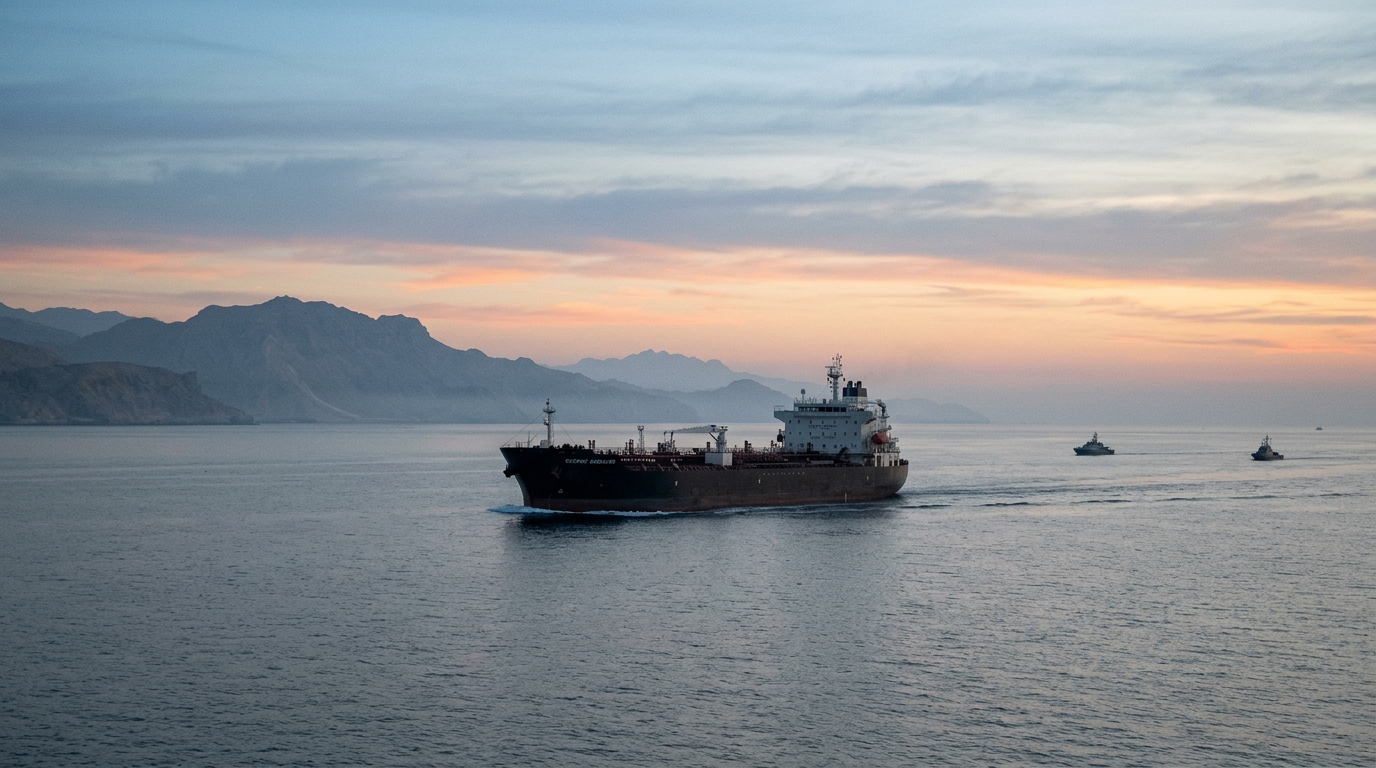
Energy and shipping markets are again watching the Strait of Hormuz after a fresh escalation in rhetoric around a ceasefire proposal and regional security conditions. According to CNBC, former President Donald Trump rejected Iran’s conditional ceasefire proposal, while Saudi coalition forces intercepted projectiles. In a separate report, Investing.com said Iran would not soften its Hormuz-related demands after Trump’s rejection.
Taken together, the two reports point to a renewed market focus on one of the world’s most important oil transit chokepoints. Even without confirmed disruption to cargo flows, traders typically treat developments around Hormuz as material because the waterway remains central to crude exports from the Gulf.
Why Hormuz matters to commodities markets
The Strait of Hormuz is a narrow maritime route with outsized importance for global energy supply. Any sign of rising military tension, shipping restrictions or political brinkmanship can quickly affect crude prices, tanker rates and broader risk sentiment across commodities.
CNBC’s report links the latest diplomatic rejection to an immediate security backdrop that included intercepted projectiles, underscoring that the issue is not only political but also operational. Investing.com’s account adds another market-relevant layer by indicating that Iran is maintaining a hard line on Hormuz demands rather than signaling de-escalation.
For commodities investors and shipping operators, that combination matters. Markets do not need a full closure of Hormuz to react; elevated uncertainty alone can lift the geopolitical risk premium embedded in oil prices and maritime insurance costs.
How markets may read the latest headlines
There are three transmission channels worth watching.
1. Crude price sensitivity
Oil prices tend to respond quickly to perceived supply-route risk. If markets judge that the probability of transit disruption has increased, even modestly, benchmark crude contracts can reflect that through higher prices or increased volatility.
2. Tanker and insurance costs
Shipping firms and insurers also monitor these events closely. Heightened regional security risk can lead to higher war-risk premiums, rerouting decisions or tighter operational protocols for vessels moving through the Gulf.
3. Broader cross-asset risk tone
Geopolitical developments around energy corridors often spill into currencies, defense-linked equities and safe-haven assets. While the current headlines do not confirm a direct hit to oil infrastructure or shipping traffic, they are enough to keep global macro desks attentive.
What is confirmed — and what is not
The current reporting supports a clear conclusion: markets face a renewed geopolitical risk signal tied to the Middle East and Hormuz. CNBC reported the rejection of Iran’s conditional ceasefire proposal and the interception of projectiles by the Saudi coalition. Investing.com separately reported that Iran would not ease its Hormuz demands after that rejection.
However, the available headlines do not confirm any actual closure of the Strait of Hormuz, any direct interruption to tanker traffic, or any quantified loss of oil supply. That distinction is important. In commodity markets, price reactions can arise from risk perception well before physical flows are affected.
Why this matters beyond oil
The significance of the story extends beyond crude benchmarks. Refined products, petrochemicals and shipping-linked businesses can all be affected when Gulf transit risk rises. Airlines, industrial users and import-dependent economies also watch these developments because sustained higher energy prices can feed into inflation expectations and freight costs.
Reader interest on MarketPro has recently favored policy-to-market transmission and commodity risk stories, and this development fits both themes. It connects diplomatic and military headlines directly to trade routes and energy pricing, making it more than a pure foreign-policy update.
What to watch next
- Official shipping advisories: Any notice from maritime authorities or major tanker operators would be closely watched.
- Evidence of physical disruption: Markets will look for signs of delayed passages, rerouting or infrastructure impact.
- Follow-through from regional governments: Additional statements from Iran, Gulf states or U.S.-aligned partners could alter the risk premium quickly.
Neutral outlook: For now, the available reporting points to higher geopolitical sensitivity rather than confirmed supply disruption, but Hormuz remains a key pressure point for oil and shipping markets.
MarketPro reports are AI-assisted analyses of publicly reported market news. Not investment advice.