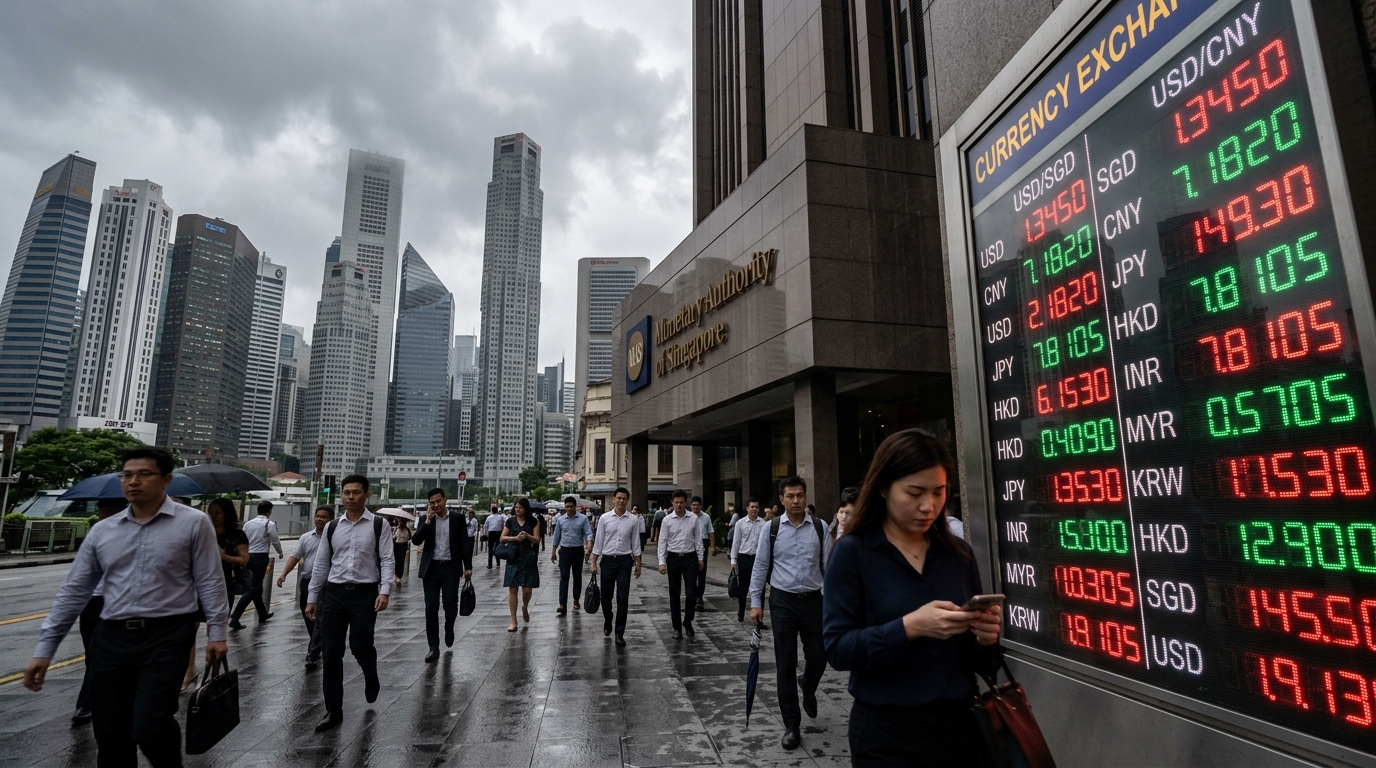
Trump Rejects Iran Ceasefire Offer as Regional Risk Builds
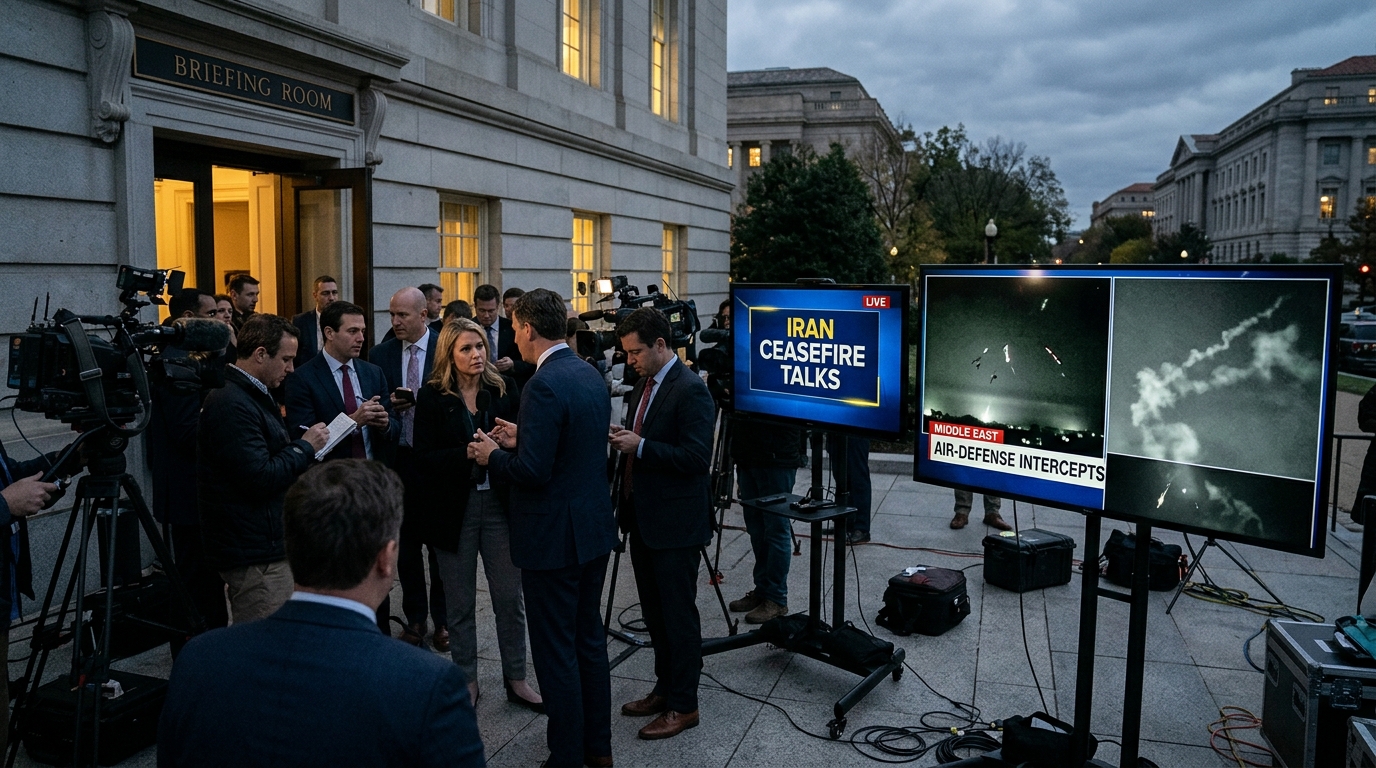
Fresh geopolitical headlines put Middle East risk back on the market agenda after CNBC, citing a Wall Street Journal report, said President Donald Trump rejected Iran’s conditional ceasefire proposal while a Saudi-led coalition intercepted projectiles in the region.
The developments matter for investors well beyond the immediate security picture. In currency markets, any escalation or signs that diplomacy is stalling can quickly feed into demand for traditional haven assets, especially the U.S. dollar. The same headlines can also affect oil-sensitive currencies if traders begin to price in greater disruption risk across the region.
Why the latest headline matters for markets
According to the CNBC headline, the immediate market signal is not that a ceasefire has been reached, but that a conditional proposal was rejected. That shifts attention away from de-escalation and back toward uncertainty. At the same time, the reported interception of projectiles by a Saudi coalition underscores that security tensions remain active rather than theoretical.
For global markets, this type of backdrop typically influences three channels at once:
- Foreign exchange: traders often favor the dollar and other defensive positions during periods of geopolitical stress.
- Energy pricing: renewed conflict concerns can lift oil risk premiums, with follow-through effects for inflation-sensitive assets and oil-linked currencies.
- Rates and risk appetite: broader market sentiment can weaken if investors conclude tensions may persist or widen.
Forex transmission is the key market lens
MarketPro readers have shown strong interest in policy-to-market transmission, and this story fits that pattern. The foreign-exchange angle is especially important because the headline combines diplomacy, military activity and regional energy relevance in one development.
Even without confirmed changes to oil supply, geopolitical risk alone can alter positioning in currency markets. Traders tend to watch whether stress in the Middle East strengthens demand for the dollar as a reserve and settlement currency. They also monitor whether commodity-linked currencies react to any repricing in crude.
That does not mean markets will see a straight-line move. Currency trading often depends on whether the headline is seen as a temporary setback in negotiations or the start of a more entrenched conflict phase. But the reported rejection of a ceasefire proposal makes that distinction more important.
What is confirmed — and what is not
The currently supported facts are narrow. CNBC reported, citing the Wall Street Journal, that Trump rejected a conditional ceasefire proposal from Iran. CNBC also said a Saudi coalition intercepted projectiles. Those points are enough to establish a fresh geopolitical development with market relevance.
What the headline set does not confirm is any final diplomatic outcome, any direct change in energy flows, or any specific market move tied to the news. It also does not establish whether the latest exchanges will produce a sustained escalation.
That distinction matters because investors often overread early geopolitical headlines. The immediate significance is heightened uncertainty, not a fully defined macroeconomic shock.
Why this story stands out today
Among the day’s headlines, this is one of the clearest cross-asset developments because it links politics, regional security and global market sensitivity. It is also distinct from previously covered stories focused on Hormuz reopening signals. This is a new development centered on ceasefire diplomacy and active interceptions, not a repeat of earlier shipping or passage headlines.
For market participants, the practical takeaway is that geopolitical risk has not faded from the background. Instead, it remains capable of influencing currencies and commodity pricing even when hard supply data have not yet changed.
Neutral outlook: traders are likely to stay focused on whether follow-up reporting from CNBC, the Wall Street Journal and other major outlets points to renewed diplomacy or a broader deterioration in regional security.
MarketPro reports are AI-assisted analyses of publicly reported market news. Not investment advice.