Singapore Inflation Back in Focus for Asia FX Markets
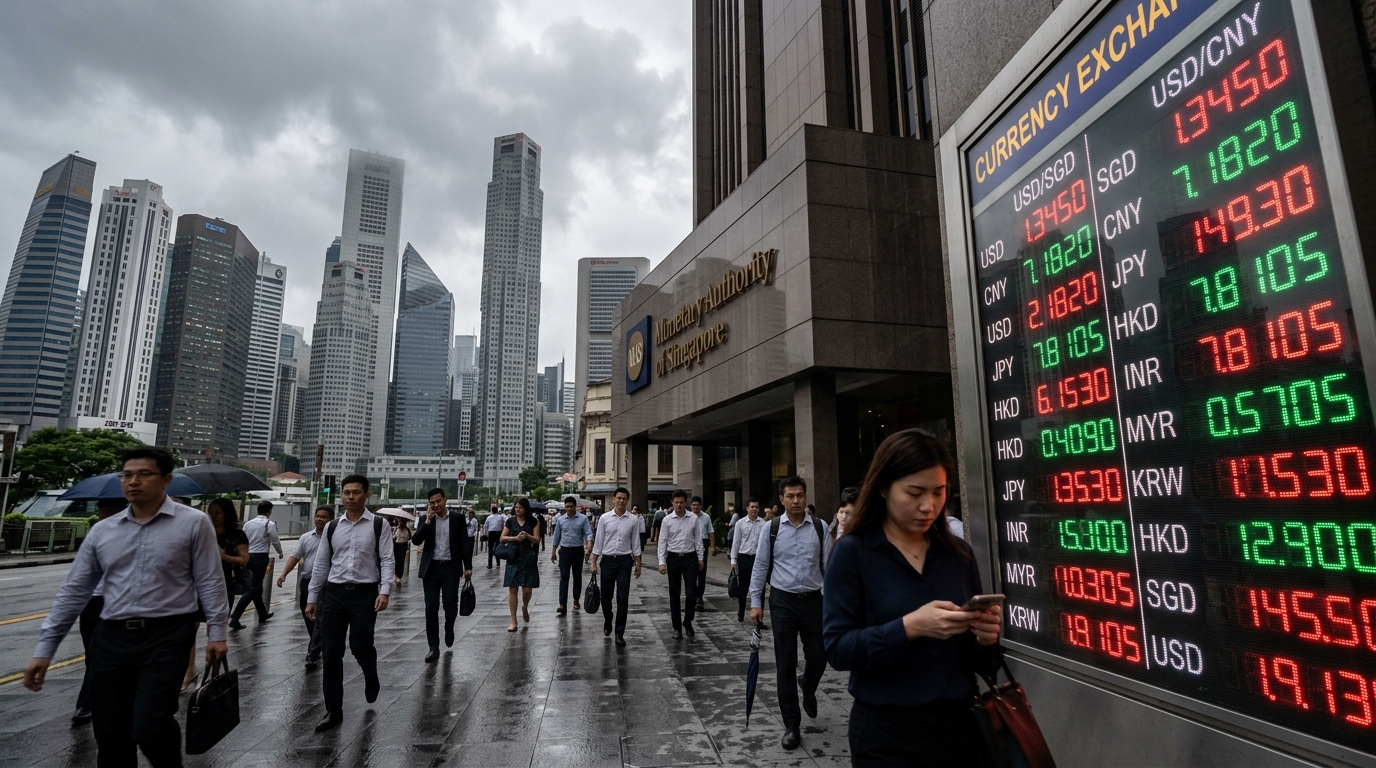
Singapore inflation is back on the radar for currency markets after fresh analysis from Investing.com examined what is driving price pressures in the city-state. For global investors, Singapore’s inflation path matters well beyond its domestic economy: it is closely tied to expectations for the Monetary Authority of Singapore, regional demand conditions and the broader outlook for Asian foreign-exchange markets.
According to Investing.com, the current focus is on the underlying drivers of inflation rather than on a single policy announcement. Even without detailed figures in the headline, that framing is important. Singapore uses an exchange-rate-centered monetary system rather than the more familiar benchmark interest-rate approach used by many other central banks. That means inflation developments can translate more directly into currency expectations than in many larger economies.
Why Singapore matters in FX
Singapore occupies a special place in Asia’s macro and currency landscape. It is a trade-heavy economy, a financial hub and a key signal point for regional price trends. Because the MAS manages policy through the exchange rate, inflation discussions often feed directly into views on the Singapore dollar.
When inflation proves sticky or broad-based, markets may look for a firmer policy stance through the exchange-rate band. When price pressures ease, attention can shift toward stability or a less restrictive setting. Either way, inflation is not just a domestic data story in Singapore; it is a policy transmission story for FX markets.
That is why even a headline-level discussion of inflation drivers can matter to traders in regional currencies. It shapes assumptions about whether Singapore policymakers will need to preserve currency strength as part of their anti-inflation toolkit.
Regional implications for Asian currencies
Singapore’s inflation story also matters because it arrives in a broader environment where Asian currencies are balancing several forces at once: external demand, U.S. policy, commodity prices and China-related trade signals. If inflation in Singapore is being driven by resilient domestic costs or imported pressures, markets may interpret that as a sign that disinflation across the region is not yet secure.
That can affect sentiment toward:
- Trade-sensitive currencies that react to shipping, electronics and manufacturing demand
- Policy-sensitive currencies where central banks remain alert to imported inflation
- Safe-haven regional positioning when investors are reassessing growth versus price stability
Singapore is often watched as an early read on how open Asian economies are absorbing global cost pressures. If inflation drivers appear persistent, that may support a view that policymakers across the region will remain cautious about signaling easier conditions too quickly.
What markets will likely examine next
Based on the Investing.com focus, traders are likely to look beyond headline inflation and ask which components are doing the work. In Singapore, that distinction can be particularly important because not all price increases carry the same policy meaning. Imported costs, services inflation and housing-related pressures can point to different policy and growth interpretations.
For FX markets, the key issue is whether inflation looks temporary, externally driven or embedded enough to influence policy expectations for longer. The answer can shape not only the Singapore dollar, but also relative views on nearby currencies whose central banks use more conventional rate tools.
Why this is a market story now
Reader interest has recently favored geopolitics with a clear oil or FX channel, and Singapore inflation fits the second part of that pattern. Unlike summit headlines that can be heavy on symbolism and light on execution, inflation analysis has a more direct route into currencies and regional asset pricing.
It also provides diversification in the market narrative. With many global headlines currently centered on U.S. politics, legal disputes and company-specific moves, Asian inflation offers a macro signal that is less event-driven and more tied to policy foundations.
According to Investing.com, the focus is on identifying the forces behind Singapore’s inflation performance. That alone keeps the story relevant for currency desks because the city-state’s framework gives inflation unusual importance in shaping exchange-rate expectations.
Neutral outlook: the next market reaction will depend on whether incoming Singapore price data reinforce a persistent inflation narrative or suggest that current pressures are easing, with the Singapore dollar likely remaining central to that interpretation.
MarketPro reports are AI-assisted analyses of publicly reported market news. Not investment advice.