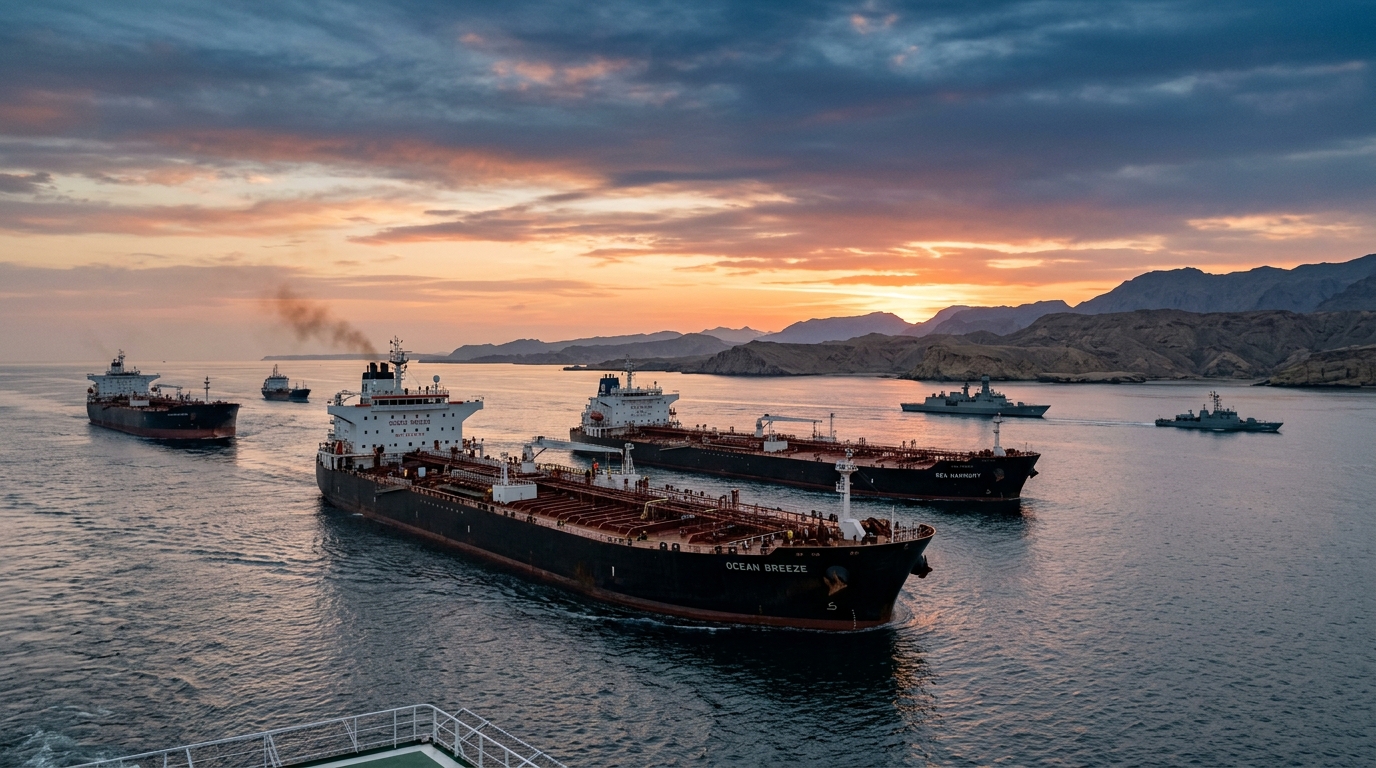
Iran Signals Hormuz Reopening, but Markets Lack Clarity
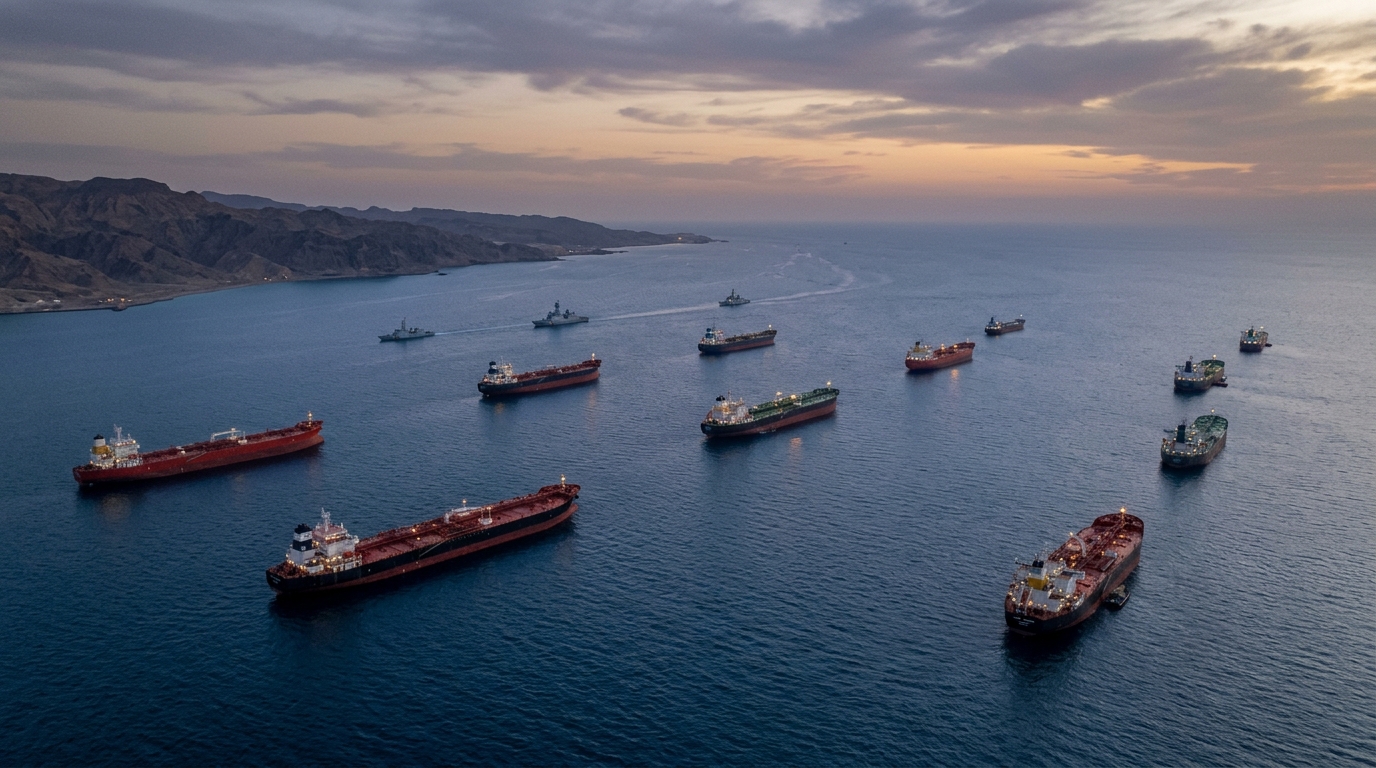
Oil markets are again being pulled between signs of de-escalation and signs that diplomacy remains fragile. According to a CNBC report, Iran has offered to reopen the Strait of Hormuz within seven days and restart nuclear talks. For energy traders, that is the kind of headline that can quickly alter near-term risk assumptions, because the strait is one of the world’s most important routes for crude and petroleum shipments.
Yet the same news cycle also delivered a conflicting signal. Investing.com, citing a Wall Street Journal report, said President Donald Trump rejected an Iranian peace proposal. The combination leaves markets with an unresolved question: is this the beginning of a diplomatic path that reduces supply anxiety, or simply another temporary headline that fails to deliver concrete change?
Why Hormuz matters so much to oil
The Strait of Hormuz is central to the global energy system because it links major Gulf producers to international buyers. Any threat to shipping through that corridor can ripple through crude prices, freight costs, refinery margins and inflation expectations. Conversely, any credible move toward reopening or stabilization can reduce the immediate geopolitical premium embedded in energy markets.
That is why CNBC’s headline matters even without detailed terms. An offer to reopen the waterway and resume nuclear talks signals, at minimum, a willingness by Tehran to put de-escalation on the table. In commodities, even a tentative diplomatic signal can affect sentiment, especially when the alternative is prolonged uncertainty over transit security.
But markets are reacting to credibility, not just headlines
The challenge is that oil traders typically need more than an offer. They look for implementation, verification and political acceptance from the other side. That is where the second headline becomes important. If Trump has indeed rejected an Iranian peace proposal, as Investing.com reported via the Wall Street Journal, then the diplomatic process may be much less advanced than the reopening offer alone suggests.
For crude markets, this creates a familiar setup: risk premium may soften on hopeful headlines, but it may not disappear unless ships move normally and negotiations demonstrably resume. In other words, the market is likely to treat the current moment as a headline-driven reprieve rather than a definitive reset.
Broader market implications extend beyond crude
The effects are not limited to oil. Energy-importing countries, shipping firms, airlines and inflation-sensitive assets all watch Hormuz-related developments closely. Lower perceived disruption risk could ease concerns around fuel costs and transport bottlenecks. Higher uncertainty, by contrast, tends to support defensive positioning across commodities and can influence foreign exchange markets tied to risk appetite and energy trade balances.
This story also fits a broader reader pattern visible across recent market coverage: geopolitical news tends to attract the most attention when there is a direct mechanism into oil, currencies or inflation. Here, that mechanism is unusually clear. Even without fresh price data in the headline set, the significance of Hormuz rests on its direct connection to physical commodity flows.
Why caution still dominates
There are at least three reasons the market may stay cautious. First, the two reports point in different directions, which makes immediate interpretation difficult. Second, neither headline confirms that shipping conditions have already normalized. Third, the mention of renewed nuclear talks raises the possibility of a longer negotiation process rather than a rapid policy resolution.
That means oil traders may continue to distinguish between reduced near-term escalation risk and restored long-term stability. Those are not the same thing, and commodities pricing often reflects that difference.
What to watch next
Future market reaction is likely to depend on verification. Investors will want confirmation that maritime access is actually restored, not merely proposed. They will also watch for any official response from Washington or other major stakeholders to determine whether talks are moving forward or stalling.
For now, today’s headlines suggest some pressure may be coming out of the most extreme disruption scenarios, but not enough to remove geopolitical risk from the oil market altogether.
Neutral outlook: Energy markets may respond constructively to signs of de-escalation, but without confirmed follow-through, the Strait of Hormuz is likely to remain a live source of commodity risk.
MarketPro reports are AI-assisted analyses of publicly reported market news. Not investment advice.