Oil Slips on Iran Truce Hopes as Attack Risk Lingers

Oil prices eased at the end of the week, but the decline came with an important caveat: geopolitical risk has not disappeared from the market’s calculus.
According to Investing.com, oil prices fell as traders looked to an Iran truce, though markets remained wary of possible attacks on oil facilities. That combination captures the current state of the crude market well. Immediate fears may have softened, but the infrastructure risk embedded in Middle East energy flows continues to limit how comfortable traders are likely to become.
For investors, this matters because oil has been one of the fastest ways for geopolitical tensions to spill into inflation expectations, central-bank thinking and broader risk sentiment. A pullback in crude therefore offers some relief, but not necessarily a full reset.
Why the market is still cautious
When oil falls on signs of de-escalation, the first question is usually whether the diplomatic shift is durable enough to reduce supply risk in a meaningful way. The second question is whether key production and export infrastructure remains vulnerable. Investing.com’s report suggests the answer to the latter is still yes, which helps explain why crude has not simply erased the geopolitical premium altogether.
This caution is especially relevant after a period in which energy-market headlines have drawn strong reader interest. Oil has remained highly sensitive not only to actual supply disruptions but also to changes in the perceived probability of such disruptions. As long as the threat to facilities remains part of the conversation, the market is likely to treat downside in prices more carefully than it would during a purely demand-driven move.
Gold and inflation signals moved with energy
The same macro web was visible in other commodities. Investing.com reported that gold edged lower and was set for a weekly loss as oil dynamics helped reinforce expectations for further Federal Reserve tightening pressure. While oil and gold do not always move together, the link in this case is policy expectations: if energy prices contribute to inflation worries, markets may anticipate tighter financial conditions, which can weigh on non-yielding assets like gold.
That makes crude more than a sector-specific story. It remains a key input into broader market pricing, especially at a time when Treasury yields are already elevated and investors are alert to any factor that could keep inflation concerns alive.
Geopolitics still matters for commodities
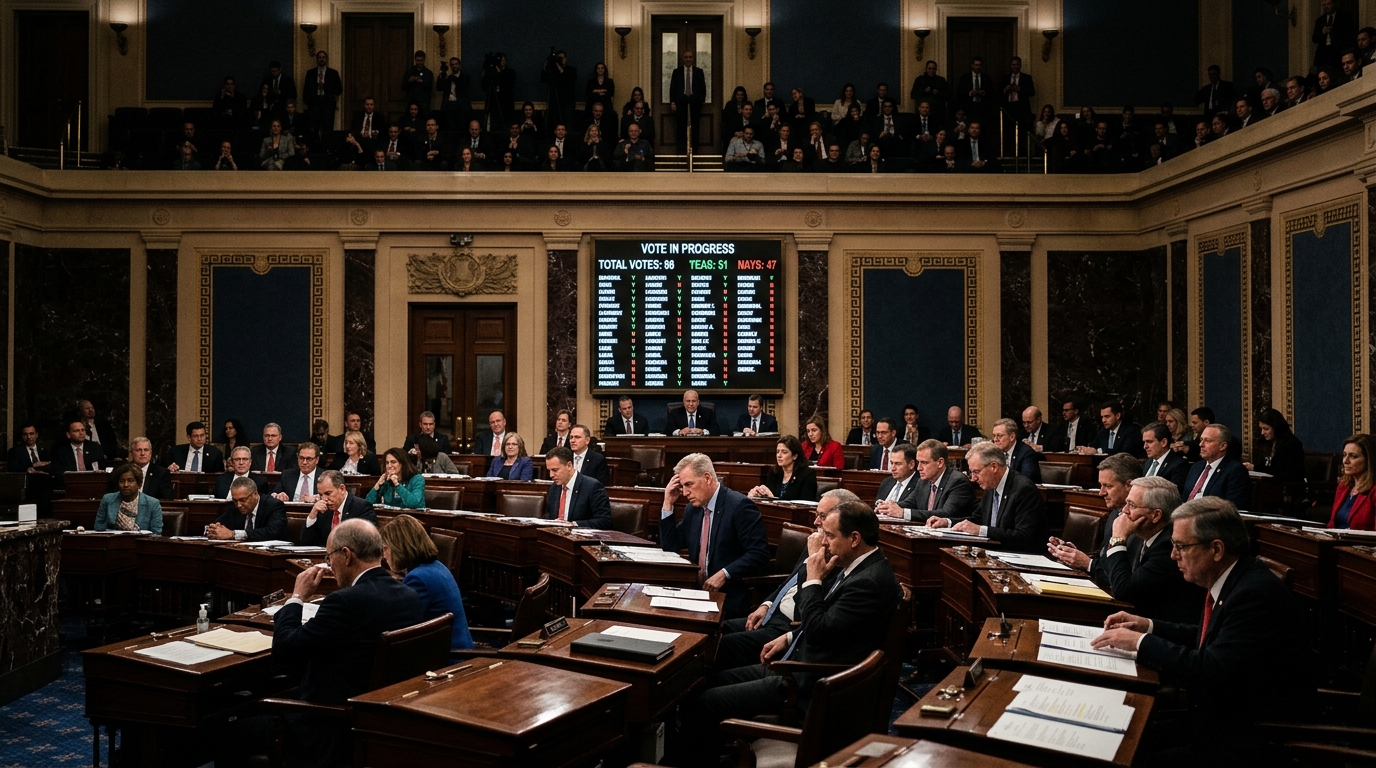
CNBC’s geopolitical wire was focused mainly on U.S.-China summit developments and a Senate vote related to Iran, but the direct commodities implication came through oil’s response to truce-related expectations. Even when diplomacy appears to cool tensions, energy traders tend to distinguish between political signals and physical security on the ground. If facilities, shipping routes or regional actors remain potential flashpoints, some risk premium can persist.
That is why modest price weakness in crude should not automatically be read as a clean all-clear for the commodity complex. It may instead reflect a market trying to balance reduced immediate escalation risk against the possibility that the physical energy system remains exposed.
What markets will likely keep watching
- Truce durability: Whether de-escalation holds long enough to reshape supply expectations.
- Infrastructure security: Ongoing concern around attacks on oil facilities, according to Investing.com.
- Inflation spillover: Oil remains a major influence on broader price expectations and rate sensitivity.
- Cross-asset effects: Moves in crude can feed into gold, bond yields and wider risk sentiment.
According to Investing.com, the latest move lower in oil reflects some relief but not full confidence. The neutral outlook is that crude may remain highly reactive to any signal that changes the balance between diplomatic progress and infrastructure risk.
MarketPro reports are AI-assisted analyses of publicly reported market news. Not investment advice.