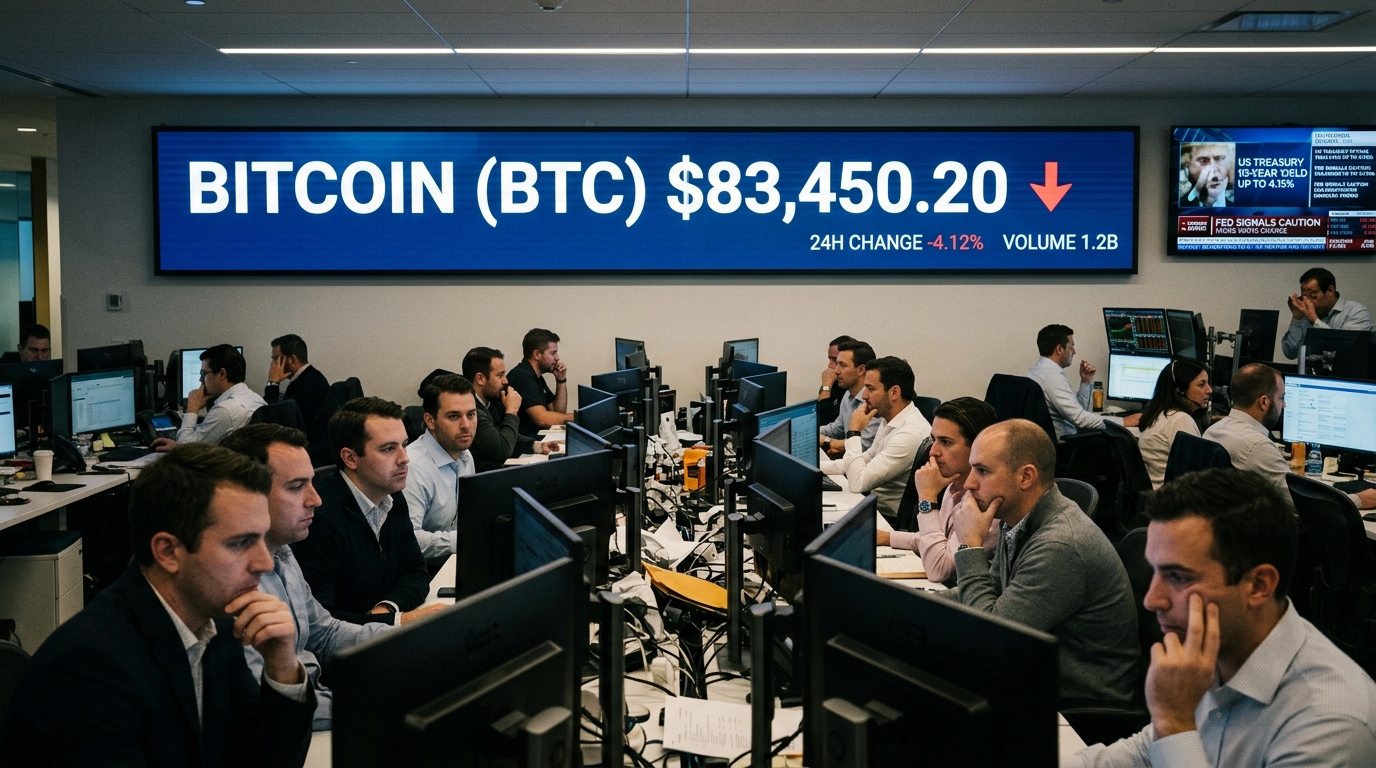
New York lawsuit puts Polymarket back under U.S. pressure
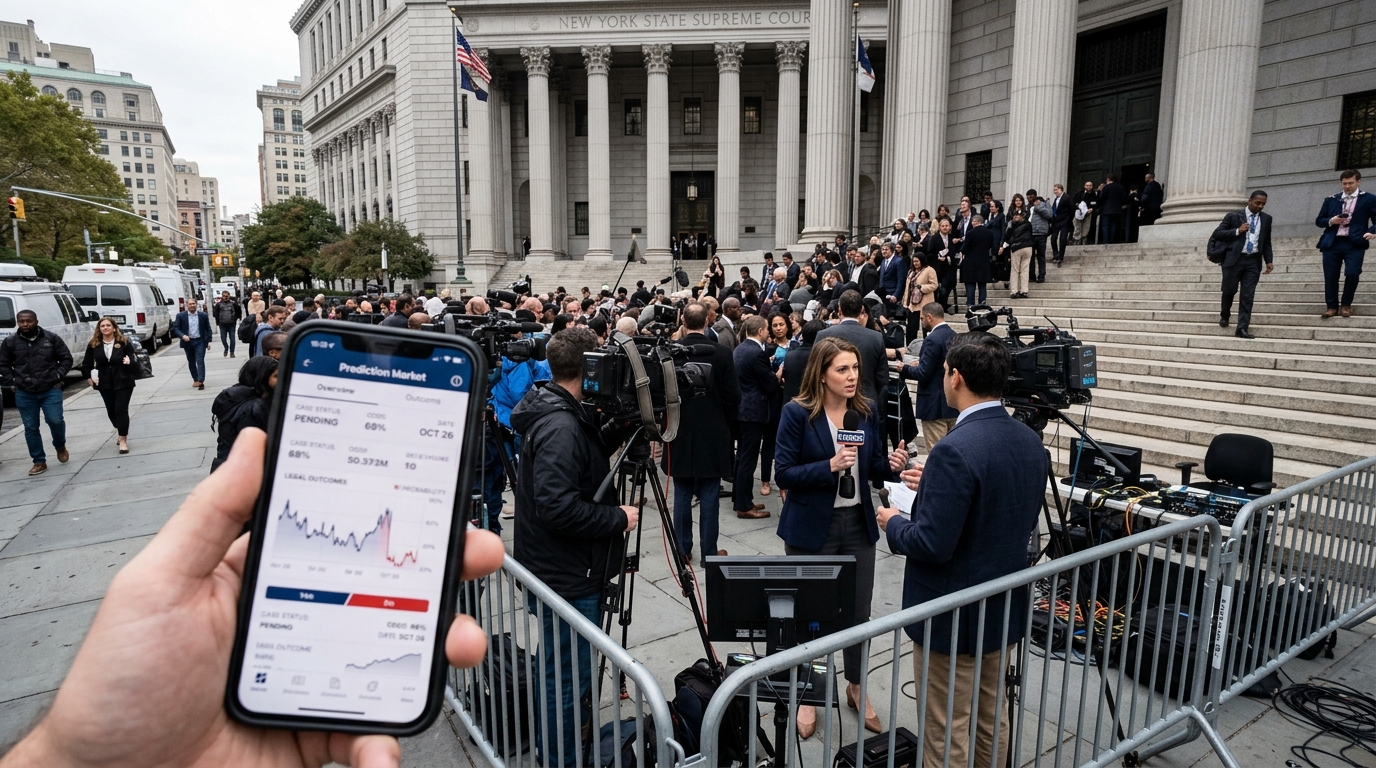
Prediction-market platform Polymarket is facing renewed U.S. legal pressure after New York sued the company, according to CNBC and Cointelegraph reports. The case arrives two months after New York filed a lawsuit against Kalshi, adding another chapter to a broader regulatory struggle over event-based trading platforms.
The development matters for crypto markets not mainly because of token prices, but because it sharpens questions around market structure, product classification and the limits of blockchain-based platforms operating in the United States. That makes it a more durable story for investors than a short-term move in digital assets.
Why the lawsuit matters beyond one platform
According to CNBC, New York sued Polymarket U.S. after earlier action involving Kalshi. Cointelegraph separately described the lawsuit as targeting an alleged illegal gambling business. Taken together, those reports suggest regulators are continuing to test where prediction markets fall between financial products, gaming frameworks and crypto-enabled internet platforms.
That distinction matters because the regulatory label can determine who may offer the product, where it can be marketed and what compliance obligations apply. For crypto-linked businesses, those questions shape the long-term viability of using blockchain rails for real-world market activity.
Polymarket has often drawn attention as an example of how crypto infrastructure can support event contracts and round-the-clock participation. But legal scrutiny can limit that growth path if regulators conclude those offerings fall outside permitted boundaries in key jurisdictions.
A market-structure story, not just a crypto headline
MarketPro readers have shown stronger engagement with crypto stories tied to policy and market plumbing than with pure price coverage. This lawsuit fits that pattern because it speaks to whether blockchain-based platforms can expand into regulated financial-like use cases while remaining accessible to U.S. users.
The issue also reaches beyond Polymarket itself. If enforcement pressure increases, other firms working on tokenized trading, alternative settlement models or event-driven contracts may need to reassess compliance strategies. That does not mean all adjacent business models face the same legal risk, but it does reinforce the idea that product design and jurisdiction matter as much as technology.
Regulatory timing is notable
The New York action lands during a period of wider debate over crypto supervision, stablecoin infrastructure and tokenized finance. While those areas are distinct from prediction markets, they share a central theme: regulators are increasingly focused on how blockchain products map onto existing legal categories.
Cointelegraph’s framing of the case around alleged illegal gambling underscores one possible route for enforcement. CNBC’s emphasis on the lawsuit’s timing relative to the earlier Kalshi action highlights another: regulators may be taking a more systematic look at event-based markets rather than treating cases as isolated disputes.
For market participants, that can increase caution even without immediate rule changes. Legal action against one company often prompts questions about disclosure, user access, licensing and the durability of similar platforms.
Broader implications for U.S. crypto innovation
The significance of the Polymarket case is not that it settles the future of prediction markets today. Instead, it shows how quickly product innovation can collide with overlapping state and federal rules. Companies may see blockchain as a neutral settlement layer, but regulators tend to focus on the economic substance of the product being offered.
That reality could shape where crypto firms choose to build, which user groups they target and how aggressively they push into financial-adjacent services. It could also influence how investors evaluate business models that depend on open U.S. retail access to novel onchain products.
What to watch
- How New York frames the claims: The legal theory may matter for other platforms.
- Whether other jurisdictions follow: Parallel scrutiny would raise the stakes for the sector.
- Product classification debates: The line between trading venue and gambling product remains central.
- Company responses and compliance changes: Operational adjustments may reveal where the industry sees the biggest risks.
Neutral outlook: The Polymarket lawsuit adds fresh uncertainty for prediction markets in the U.S., and according to CNBC and Cointelegraph, the case could keep crypto regulation and platform design under close market scrutiny in the near term.
MarketPro reports are AI-assisted analyses of publicly reported market news. Not investment advice.