Bitcoin drops below $84K as Treasury yields pressure risk assets
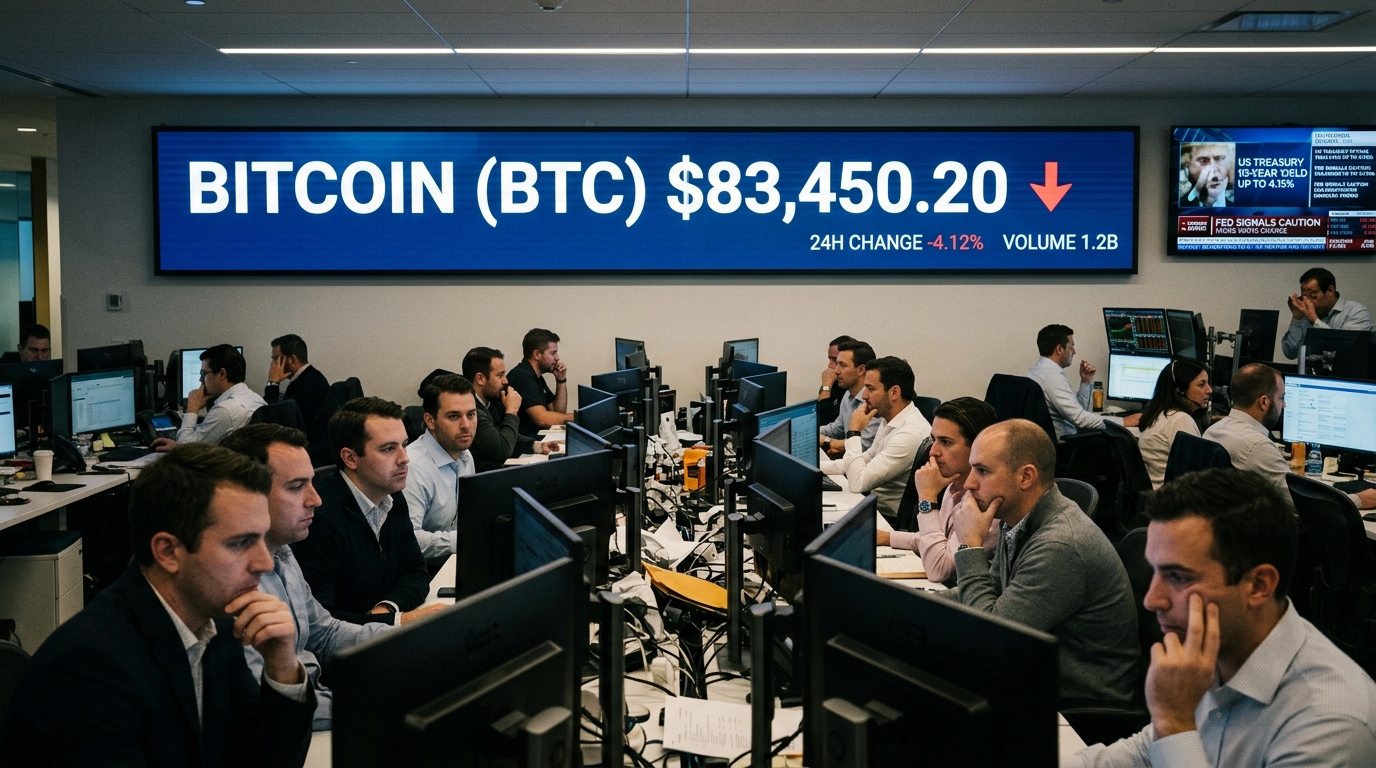
Bitcoin moved lower again, falling below $84,000 as rising U.S. Treasury yields continued to weigh on risk assets, according to Cointelegraph reports that tied the crypto pullback to renewed pressure from the rates market.
Cointelegraph reported that Bitcoin fell below $84,000 as the 10-year Treasury yield hit a 19-year high. In a separate report, Cointelegraph said Bitcoin ETFs added $347 million even as BTC fell below $84,000 after topping $87,000. Taken together, those headlines suggest a market being pulled in two directions: macro pressure from higher yields on one side, and continuing institutional engagement on the other.
Why yields still matter for crypto
Crypto often trades on its own industry catalysts, but periods of sharp moves in government bond yields can reassert the broader macro relationship. When Treasury yields rise, investors are forced to reprice risk across asset classes. That can challenge high-valuation technology shares, emerging-market assets and cryptocurrencies alike.
In that sense, Bitcoin’s drop below $84,000 is notable less for the level itself than for the context. The move came as bond markets were sending a stronger message about tighter financial conditions and the cost of capital. Even for investors who view Bitcoin as a distinct asset, the day-to-day trading relationship with global liquidity conditions remains hard to ignore.
Higher yields can affect crypto through several channels:
- Risk appetite: investors may reduce exposure to volatile assets
- Opportunity cost: safer income-bearing assets can look more attractive
- Dollar and liquidity effects: tighter financial conditions can reduce speculative flows
- Cross-asset positioning: macro funds may cut crypto alongside equities and other risk trades
ETF inflows complicate the bearish reading
At the same time, the reported $347 million in Bitcoin ETF inflows adds an important counterpoint. If those flows remain positive while spot prices retreat, that may indicate institutional buyers are still using weakness to add exposure, or at least not stepping away from the market as quickly as price action alone might suggest.
That matters because ETF activity has become one of the clearest bridges between traditional finance and crypto markets. Strong or steady inflows during a selloff can imply that some buyers view macro-driven declines differently from structurally negative crypto-specific developments.
Still, one day of inflows does not cancel out the broader sensitivity to rates. It instead reinforces that the current crypto backdrop is mixed: strategic interest may still be present, but near-term price direction remains exposed to macro shocks.
A market caught between adoption and repricing
The two Cointelegraph reports capture a theme that has defined much of the digital asset market recently. On one side, institutional access, ETF infrastructure and broader market participation have made Bitcoin more integrated into mainstream portfolios. On the other, that same integration can increase Bitcoin’s exposure to the same macro forces driving moves in equities, bonds and currencies.
For readers following crypto as part of a wider markets lens, this is the key takeaway. Bitcoin is no longer reacting only to internal sector developments such as exchange news, token launches or protocol upgrades. It is increasingly trading as part of the global cross-asset conversation, especially when rates volatility accelerates.
That does not mean Bitcoin has become identical to other risk assets. It does mean macro conditions can dominate shorter-term pricing, even while longer-term adoption themes stay intact.
Why this story remains important
This is one of the more globally relevant crypto stories on today’s wire because it links digital assets directly to one of the most closely watched market drivers: the Treasury market. It also provides a useful update beyond simple price movement by pairing the decline with ETF flow data.
For market participants, the combination of falling prices and continued fund inflows is more informative than either signal in isolation. It suggests caution is warranted on the macro side, while also showing that institutional demand has not necessarily disappeared during the pullback.
Neutral outlook: Bitcoin’s next directional cue may depend less on crypto-specific headlines than on whether Treasury yields stabilize, though ETF flow trends remain an important measure of underlying institutional conviction.
MarketPro reports are AI-assisted analyses of publicly reported market news. Not investment advice.