Fed Signals Keep Dollar in Focus as Rate Bets Firm
The U.S. rates story remained at the center of global currency markets after Treasury yields continued to climb and a senior Federal Reserve official said another rate increase by year-end remains a reasonable expectation. Together, those developments reinforced a theme that has been driving foreign-exchange trading: U.S. policy may stay tighter for longer than some investors had hoped.
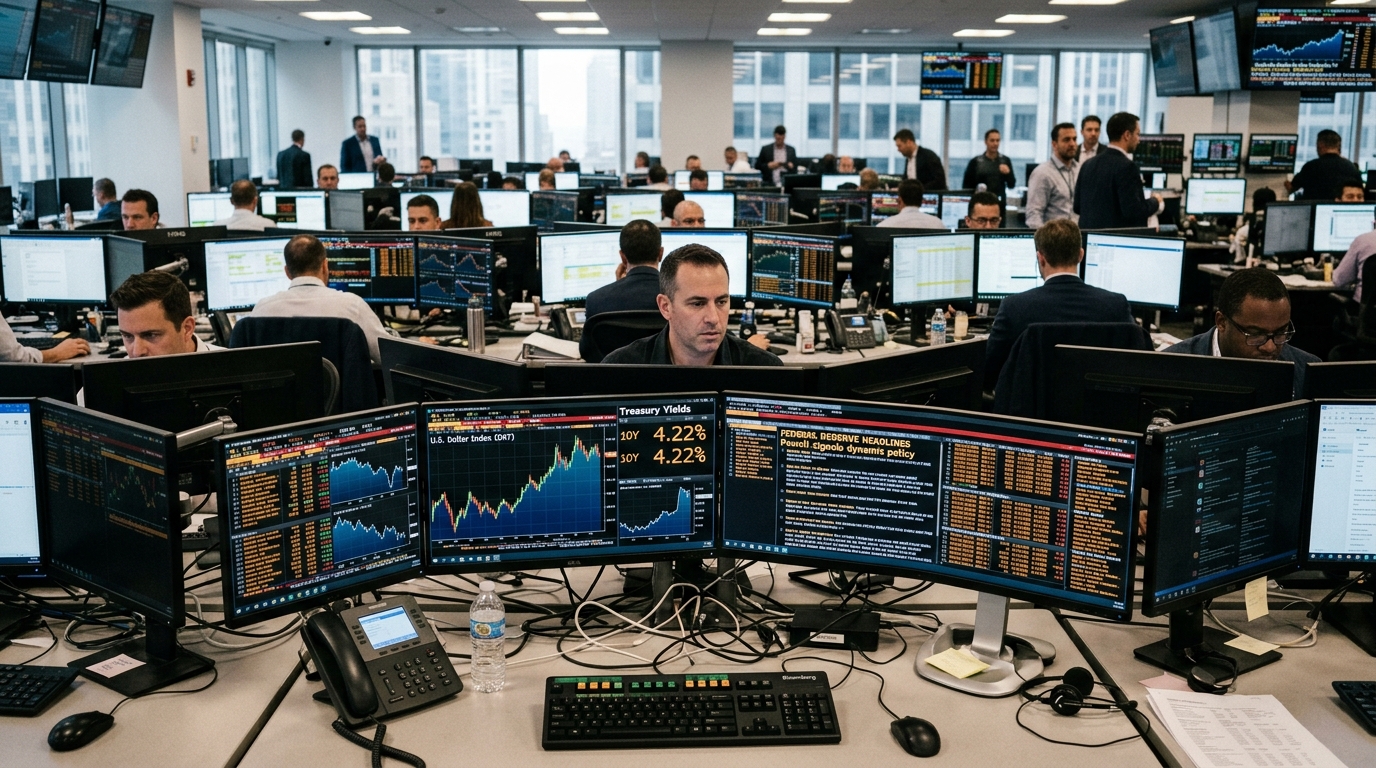
According to CNBC, Treasury yields continued to rise after the 10-year note hit a 19-year high as investors increased bets on further rate hikes. In a separate CNBC report, New York Fed President John Williams said it is "reasonable" to expect another rate hike by year-end. While Williams did not pre-commit to a move, the remarks were enough to keep policy expectations elevated.
For currency markets, that combination matters because higher U.S. yields can support the dollar by improving the relative return on dollar-denominated assets. When investors see a growing chance that U.S. interest rates will remain higher for longer, they often reassess positions across major currency pairs, especially against lower-yielding currencies.
Why the dollar reaction matters globally
The direct market signal from higher Treasury yields is not limited to the bond market. It feeds into global pricing for currencies, equities, commodities and funding conditions. A persistent rise in benchmark U.S. yields can tighten global financial conditions, especially for economies and companies that rely on dollar funding.
That dynamic is particularly important when policy expectations are still shifting. CNBC’s reporting on the move in Treasury yields pointed to investors ramping up rate-hike bets. Williams’ comments then added fresh policy context, making it harder for markets to dismiss the rise in yields as a temporary move driven only by technical factors.
In practice, that tends to keep the foreign-exchange market focused on two linked questions:
- How long can U.S. yields stay elevated?
- Will other major central banks be able or willing to match that stance?
If the gap between U.S. yields and those available in other developed markets widens or stays large, the dollar can remain supported even if broader risk sentiment fluctuates.
Fed messaging and cross-market repricing
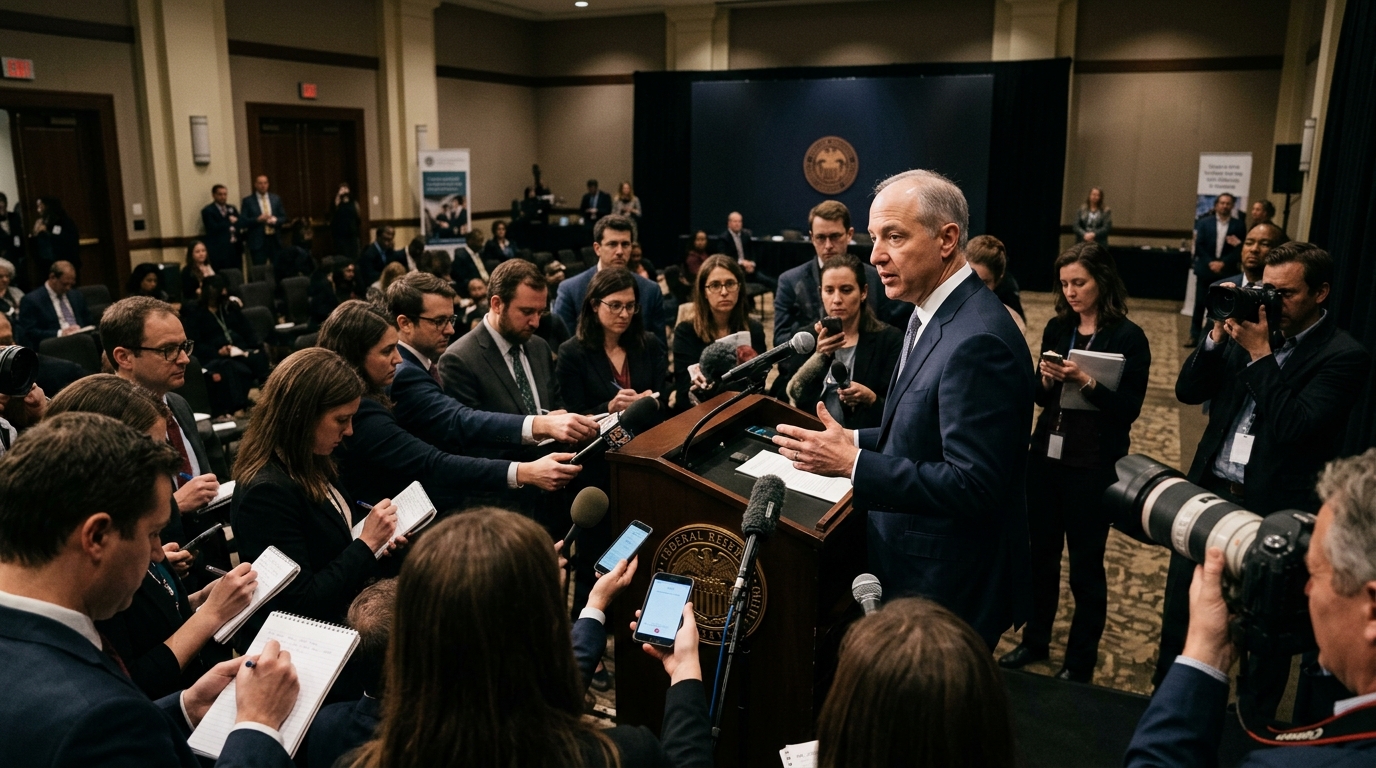
Williams’ remarks are significant because they come from the head of the New York Fed, a role closely watched by investors for signals on the policy outlook. According to CNBC, his view that another hike is reasonable by year-end adds to the market’s sense that the Fed is not ready to declare victory over inflation or signal a near-term easing path.
That message aligns with a broader repricing already visible in bonds. Rising yields suggest investors are demanding more compensation to hold longer-dated U.S. government debt, whether because they expect tighter policy, stickier inflation, or both. In foreign exchange, that can support the dollar not only through interest-rate differentials but also through demand for liquid U.S. assets during periods of market uncertainty.
At the same time, the currency impact is not always straightforward. If higher yields begin to raise deeper concerns about growth or financial conditions, some parts of the market may start to debate whether tighter policy can be sustained. For now, however, the immediate takeaway from the latest headlines is that the Fed has not closed the door on another increase, and markets are adjusting accordingly.
What traders may watch next
Foreign-exchange traders will likely continue to track incoming U.S. inflation, labor-market and spending data for confirmation of whether current rate expectations are justified. They will also watch whether other central banks lean more cautious or continue to resist dollar strength.
Another headline in the broader rate picture came from CNBC’s report that Switzerland is keeping rates at 0% for now. That underlines how uneven the global policy landscape can be. If some central banks remain on hold while the Fed keeps a tightening bias, relative policy divergence can become a larger driver in FX pricing.
The latest move does not guarantee a one-way path for the dollar, and currency markets can reverse quickly when data or central-bank language changes. Still, as long as Treasury yields stay elevated and Fed officials leave the door open to further tightening, the dollar is likely to remain central to the global market conversation.
Neutral outlook: Near term, currency markets appear set to stay highly sensitive to U.S. yield moves and any further Fed guidance, with the dollar’s path tied closely to incoming macro data.
MarketPro reports are AI-assisted analyses of publicly reported market news. Not investment advice.