U.S.-China Trade Truce Extension Keeps Markets on Watch
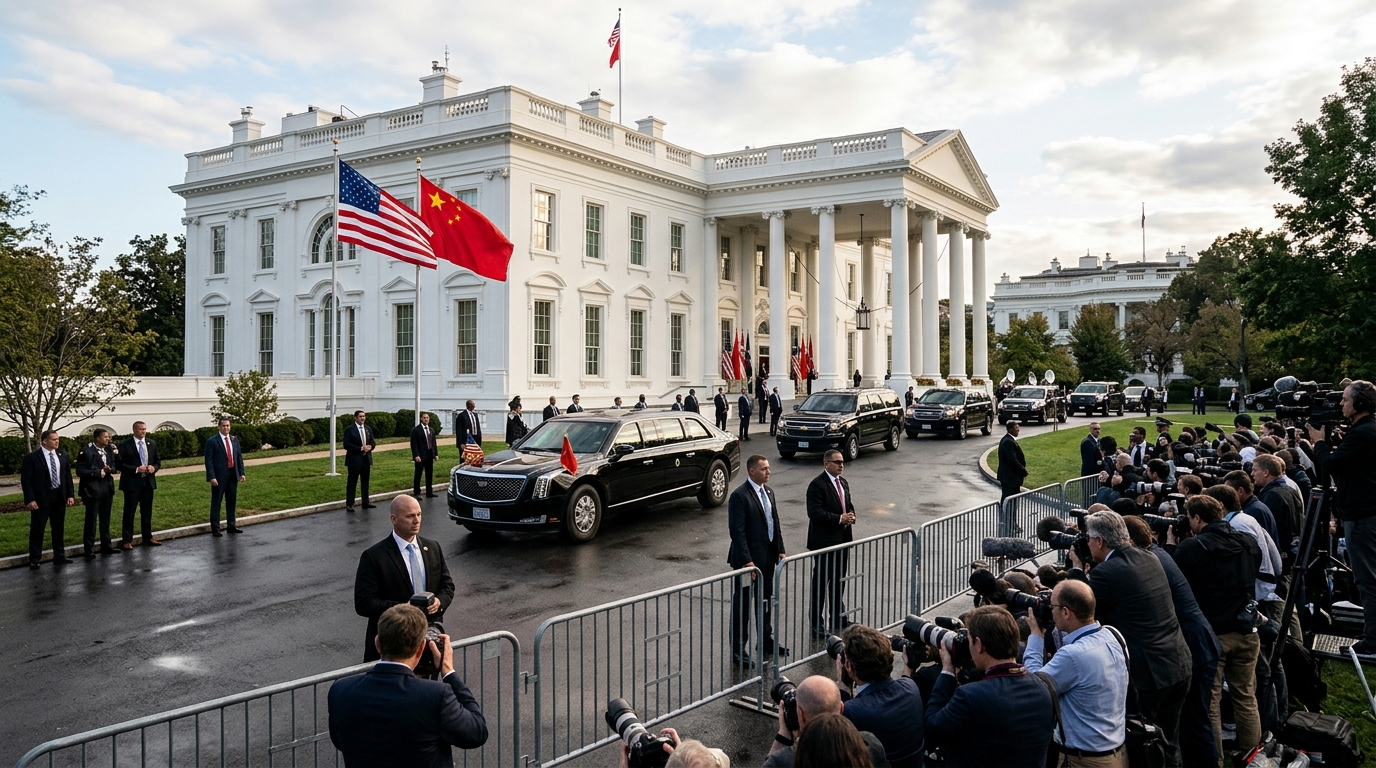
The extension of the U.S.-China trade truce by two months is a fresh macro development for investors tracking the world’s most important bilateral economic relationship. According to CNBC, U.S. official Scott Bessent said the truce would be prolonged as Chinese President Xi Jinping began a state visit, while Investing.com also reported that President Donald Trump welcomed Xi to Washington in search of a trade win.
That combination of diplomacy and delay matters for markets because it suggests both sides are still trying to preserve negotiating room rather than force an immediate tariff escalation. While neither report provided a full new policy framework, the headline itself points to a near-term reduction in trade-policy shock risk.
Why the extension matters now
Trade truces tend to matter less for what they solve immediately than for what they prevent. A short extension can help companies avoid abrupt planning changes on sourcing, inventories and pricing. It can also reduce pressure on asset classes that are highly sensitive to global growth expectations, including industrial commodities, shipping-linked names and export-heavy equities.
According to CNBC, the extension comes at the same time as Xi’s state visit, underscoring that trade is being handled alongside a broader diplomatic agenda. Investing.com’s coverage similarly framed the meeting as an attempt to secure a trade win, reinforcing the idea that the truce is part of a larger negotiation rather than a final settlement.
For markets, that distinction is important. A temporary pause can support risk sentiment in the short run, but it does not remove structural uncertainty around tariffs, technology restrictions, supply chains or industrial policy.
What global investors may focus on
Investors will likely watch three areas as the extension plays out.
- Tariff timing: A two-month window delays immediate disruption, but it also creates a new deadline that businesses and investors will have to monitor closely.
- Diplomatic signaling: State visits can produce broader messaging on trade, security and investment ties. Markets may react not just to formal agreements, but also to changes in tone.
- Corporate exposure: Multinationals with supply chains tied to both countries could see sentiment shift as investors reassess near-term policy risk.
The extension may also influence expectations for inflation-sensitive sectors. If tariff pressure is deferred, that could modestly ease fears of a renewed import-cost shock, though the headlines alone do not establish any detailed pricing impact.
What the headlines do and do not confirm
The available wire headlines support one clear point: the truce has been extended and the move coincides with a high-level diplomatic meeting. According to CNBC and Investing.com reports, both developments are happening together and are being framed as part of a broader effort to manage the relationship.
What is not yet confirmed in the provided reports is the precise scope of the extension, any sector-specific carve-outs, or whether new commitments were made on tariffs, market access or export controls. That means investors may need to separate the near-term relief of an extension from the still-uncertain substance of future talks.
Why this is a market story, not just a political one
U.S.-China relations affect trade flows, manufacturing decisions, commodity demand expectations and broad risk appetite across global markets. Even a limited truce extension can carry significance because it lowers the odds of an abrupt policy break at a time when markets are also digesting elevated bond yields and slower-growth concerns.
For portfolio managers and corporate decision-makers alike, the practical takeaway is that the policy clock has been pushed back, not stopped. The extension buys time, but it does not eliminate the need to prepare for multiple policy outcomes.
Neutral outlook: The two-month extension appears to reduce immediate trade-escalation risk, but markets are likely to stay sensitive to any new detail from the Washington talks and to signs of whether the pause can develop into a broader agreement.
MarketPro reports are AI-assisted analyses of publicly reported market news. Not investment advice.