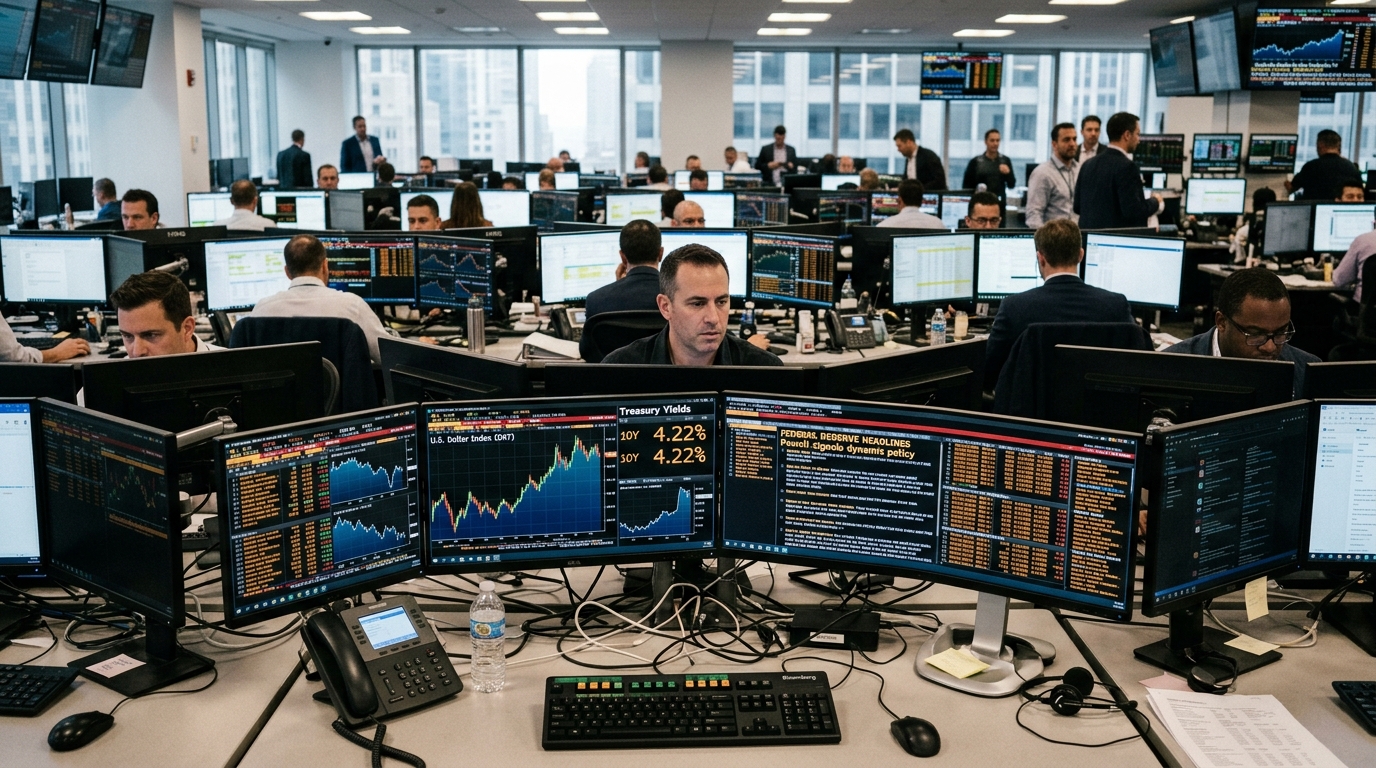
Trump-Xi summit puts Taiwan, trade and AI in market focus
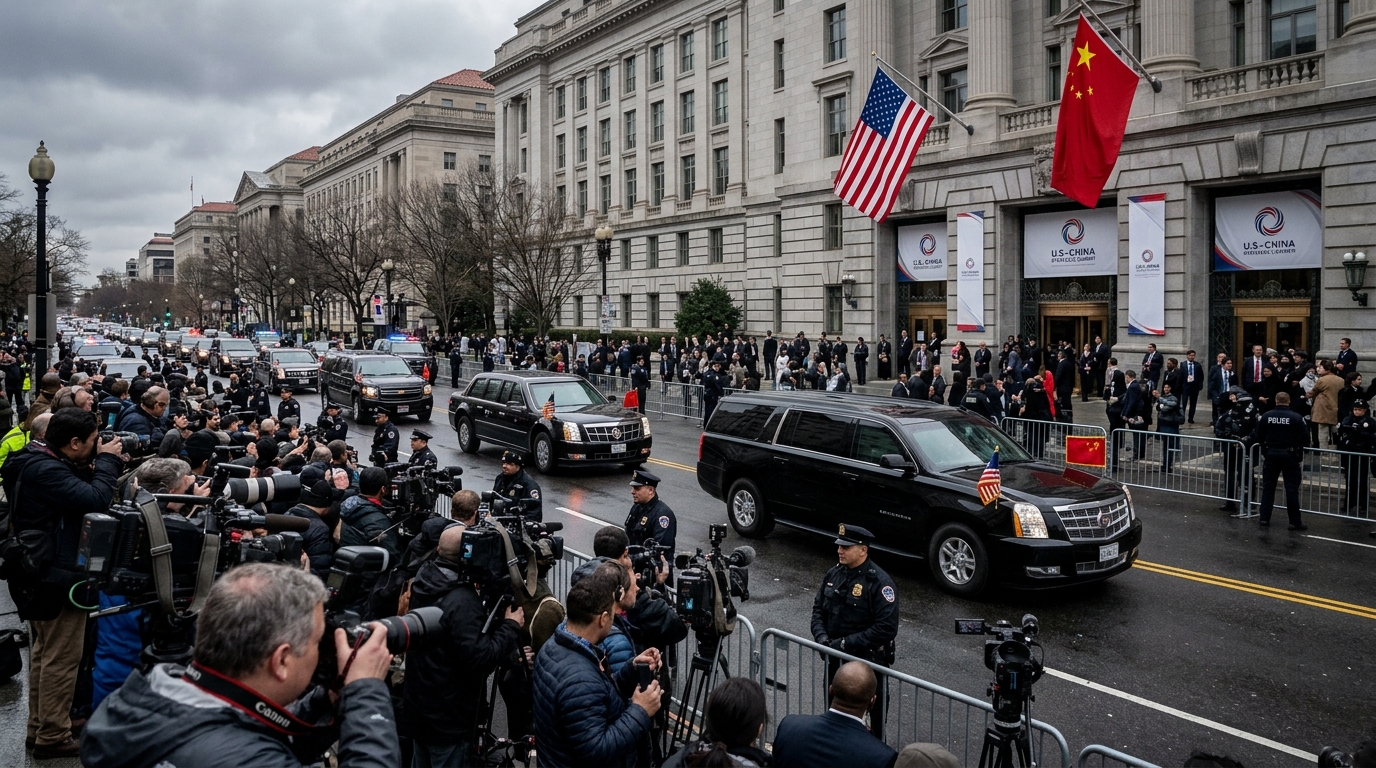
Currency markets and broader risk sentiment are likely to take cues from diplomacy as U.S. President Donald Trump and Chinese President Xi Jinping prepare to discuss Taiwan, artificial intelligence, trade and Iran during a summit in Washington, according to CNBC.
The agenda matters for investors because it combines several of the most market-sensitive topics in the global economy. Taiwan remains central to semiconductor supply chains, trade policy shapes cross-border flows and tariff expectations, and AI has become a strategic as well as commercial battleground. Iran, meanwhile, keeps an energy-security dimension in play even when oil is not the immediate focus of the talks.
Why foreign-exchange markets may pay close attention
For forex markets, the main issue is not just the meeting itself but whether it changes the tone of U.S.-China relations. The dollar and yuan can react quickly when official talks suggest either greater stability or a fresh round of confrontation. A constructive message could reduce demand for immediate defensive positioning, while any sign of escalation around Taiwan or trade could reinforce caution across Asian currencies and broader emerging-market assets.
CNBC’s headline indicates the talks will span both security and economic issues, which raises the chance that markets will parse even minor wording changes for clues. In periods like this, investors often focus less on final agreements and more on signals about future negotiation channels, enforcement risks and the probability of retaliatory policy moves.
Taiwan and AI keep supply chains in the frame
Taiwan’s role in advanced chip production means the summit has implications well beyond geopolitics. Any discussion that affects the temperature of cross-strait tensions can influence how markets assess supply-chain resilience in technology hardware, cloud infrastructure and industrial electronics.
AI adds another layer. Export controls, access to high-end chips and restrictions on strategic technologies have become key parts of U.S.-China competition. Even without a formal policy announcement, a summit that highlights AI as a top-level issue may remind markets that technology trade is unlikely to return to a purely commercial footing.
That is especially relevant for multinational companies with exposure to semiconductors, cloud buildout and industrial automation. A diplomatic thaw could improve sentiment at the margin, but the inclusion of AI on the summit agenda suggests strategic controls will remain a core feature of the relationship.
Trade language could matter more than immediate deals
According to CNBC, trade is one of the central topics. For markets, the near-term significance may rest less on the prospect of a sweeping agreement and more on whether both sides signal willingness to stabilize existing arrangements. Traders often respond to shifts in rhetoric because those can shape expectations for tariffs, licensing rules and bilateral investment conditions.
If officials emphasize dispute management, that could support a steadier backdrop for global trade-sensitive currencies. If the summit sharpens confrontation, the result could be renewed pressure on risk appetite and increased sensitivity around the yuan and regional FX markets.
Why this meeting stands out now
The summit arrives at a moment when global markets are already balancing elevated rates, persistent inflation concerns and geopolitical fragmentation. In that environment, diplomacy between Washington and Beijing can have an outsized market effect even when concrete policy changes are limited.
Reader interest on MarketPro has recently favored macro-linked stories, especially those connecting geopolitics with currencies, trade and broader asset pricing. This summit fits that pattern because it touches several of the market’s major risk channels at once without relying on narrow sector speculation.
What to watch
- Official language on Taiwan: Markets will look for either stabilization or sharper confrontation.
- Trade tone: Any sign of renewed friction could affect yuan and regional risk sentiment.
- AI policy references: Export controls and strategic tech access remain crucial for global supply chains.
- Follow-up mechanisms: Markets often respond positively when talks create a path for further negotiation.
Neutral outlook: The summit’s immediate market effect may depend more on tone than on signed outcomes, but forex and risk assets are likely to stay sensitive to any signals on trade, Taiwan and strategic technology, according to CNBC’s agenda-focused reporting.
MarketPro reports are AI-assisted analyses of publicly reported market news. Not investment advice.